

Others like 30 secrets to the top Features >>

10 Principal Secrets Of Principal People

31 Secrets For Career Success

The Secret: What Great Leaders Know — And Do

Good Leaders Ask Great Question

The Tipping Point

The Dream Manager
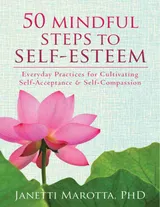
50 Mindful Steps To Self Esteem

The 5 Levels Of Leadership

The Top Ten Mistakes Pastors Make

Becoming A Person Of Influence - Talent Is Never Enough
About the Book
"30 Secrets to the Top" by Paul Enenche is a practical guide that offers tips and strategies to help individuals achieve success and reach their full potential in all areas of life. The book covers topics such as goal-setting, self-discipline, time management, and maintaining a positive mindset. Enenche provides readers with actionable steps and insightful advice to help them overcome challenges and become successful in their personal and professional lives.
Oswald Chambers

Everyone You Meet Will Live Forever
In a post-Christian, post-modern, post-everything society, God’s people are called to operate from courage, not fear. And when we live courageously, putting our hope in the reality of who God is and what God has already accomplished, it changes everything. We’re freed up to be the people of God living out the mission of God despite what new challenges come our way. But given our increasingly hostile cultural landscape, what does making new disciples, in terms of evangelism, look like? And how do we go about it? I think you’ll be surprised by where we end up, though you probably shouldn’t be. Evangelism in an Age of Unbelief When we talk about what it means to be courageous and faithful in the age of unbelief, we have to talk about the Great Commission. That’s our mission. And though it’s always been true, I think it’s truer than ever to say that evangelism will include hospitality. Hospitality is not the sum total of courage or evangelism, but living courageously will involve living hospitably. The idea of hospitality has been hijacked by popular culture. When the Bible speaks of hospitality, it almost always ties it to aliens and strangers — people who are not like us. Hospitality means welcoming those outside your normal circle of friends — the kind of people it takes a new heart to invite in. It’s opening our lives, and our homes, to those who believe differently than we do. “Hospitality means opening your life and your house to those who believe differently than you do.” Hospitality is all over the Bible. In fact, it’s so important to God that when Paul lists out the traits necessary for a man to be qualified for the office of elder in a local congregation, we find that he must be “above reproach, the husband of one wife, sober-minded, self-controlled, respectable, hospitable, able to teach . . .” (1 Timothy 3:2). To be an elder, a man has to be able to open his life and show kindness to those who believe differently than he does. He has to open up his world to those who are outside of what he believes. Now, why would God be so serious about hospitality? Well, because he has been so hospitable to us. Even when we were living as his enemies, he came and saved us. He opened the door and invited us into his presence. We demonstrate that we truly appreciate the divine hospitality we have received as we extend our own hospitality to those around us. I’m not suggesting that biblical hospitality is the silver bullet for making evangelism work in the twenty-first century (news flash: there’s no silver bullet). But might it not be — in our cynical, polarizing, critical, dumpster-fire culture — that a warm dose of welcoming hospitality will take some folks by surprise and open up the door for opportunities to make disciples of Jesus Christ? Four Ways to Show Hospitality The God of the universe is serious about hospitality. Hospitality can create an entry point for living out the Great Commission and evangelizing our neighbors — especially in the age of unbelief when most think the church is about something completely different. Yet we still have to ask, How do we show hospitality today? It’s not complicated — though that doesn’t mean it’s easy. 1. Welcome Everyone You Meet I think the best first step is to greet everyone you see. That’s easy to do if you are wired like me — I’m a total extrovert. That’s hard if you’re an introvert, and maybe you’re thinking, “Can we just skip to number two, please?” But often the best actions to take are the hardest to do. Pray for grace, ask for strength, take a risk, and greet people. 2. Engage People Remember that every person you encounter is eternal. You have never met a mere mortal, as C.S. Lewis famously observed, and you have never met a human not created to image your God. How can we not seek to care about and take an interest in those we run across? I don’t think this is overly difficult. It simply requires us to be asking open-ended questions, letting our inner curiosity out. We may think this is all obvious — but often we hold back from doing it. We need to get to know people, take an interest in them, and listen to them, rather than just trying to think about how we can say something memorable or hilarious. 3. Make Dinner a Priority Over and over again, God’s word testifies to the holiness of eating together. Long dinners with good food, good drink, good company, and good conversations that center around our beliefs, our hopes, our fears — that’s a good dinner. And I don’t mean just dinner with friends. Yes, eat with your church small group, invite over your good friends, but remember that hospitality means to give loving welcome to those outside your normal circle of friends. It is opening your life, and your house, to those who believe differently than you do. 4. Love the Outsider In every work environment, every neighborhood, we know people who, for whatever reason, are outliers. These men and women are all around us — perhaps more so than ever, in our globalized world. Because of the way sin affects us, we tend to run away from differences and from being around people who think differently and look different than we do. But I want to lay this before you: Jesus Christ would have moved towards the outsiders. God extends radical hospitality to me and to you. That’s why we learn to love, and pursue, the outsider — because we were the outsider. It All Starts with Courage As dark and dire as the landscape may appear right now, as vast and venomous as it may be, we know that the battle has already been won — and that means we don’t fight on the world’s terms. This age of unbelief may feel big and intimidating for the church, but it’s simply a small subplot in a bigger, better story — the greatest story ever told. And in a truly spectacular paradox, there’s a yawning chasm between God’s story and our stories. While we know there are spiritually significant realities at work, we are called to simple, everyday faithfulness that works itself out in lives marked by hospitality. In some ways, it’s the big, flashy acts — the kind of stuff we photograph, slap a filter on, and show all our “friends” online — that go most noticed yet require the least of us. True Christian courage probably looks more like inviting a group of strangers into your home for dinner than the attractive, successful ideas we have dreamed up in our minds. “Remember that everyone you meet is eternal. You have never met a mere mortal.” Taking a risk to be genuinely hospitable actually requires courage because it forces us to rely on our Lord and his strength, not our own. When we open up our homes and build friendships with those who don’t look like us, believe like us, or act like us, we open up our lives and make ourselves vulnerable. We risk getting hurt and making enemies with those who don’t think the way we think or act the way we act. Yet we can do it because of the hope, strength, and courage that we have in the Lord. So, greet the people you see today. Learn to ask good questions. Open up your home to them, especially if they’re lonely or isolated. And above all, trust in God to use your weak hospitality to show his power. Article by Matt Chandler