






About the Book
"Three Big Words" by Kenneth E. Hagin discusses the importance and power of faith, love, and hope in the life of a Christian. The author explains how these three words can transform one's life and lead to a deeper relationship with God. Hagin explores the biblical foundation of these concepts and provides practical insights on how to apply them in daily life.
Emerson Andrews
 His Early life
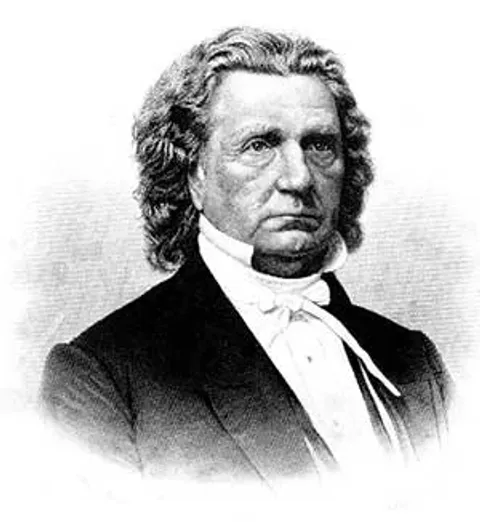
Emerson Andrews was born in Mansfield, Bristol County, Massachusetts in 1806 to godly parents, James and Mercy Andrews. They were from English stock and were strict Puritans in faith and lifestyle. Although young Emerson was raised in the Congregational Church he was far from God in his teens and twenties.
Nevertheless, periodically, he experienced intense conviction, usually through his parents’ counsels and prayers but particularly through two unforgettable sermons delivered by the eccentric revivalist, Lorenzo Dow. Soon after this he was converted under the ministry of another revival preacher, Asahel Nettleton.
He was a very educated man formerly studying at Chesterfield Academy and, at the time of his conversion, at Plainfield Kimball Union Academy, in New Hampshire. In the spring of 1832 whilst studying further at Union College in Schenectady, New York, he was baptised by immersion in the Mohawk River. It was his convictions about the Bible’s teaching on water baptism that caused him to join the Baptist’s instead of the Congregationalists or Presbyterians.
A Lover of Revival
He wrote “Many revivals and protracted meetings of one, two, or more days, and some for weeks and months, have been held, in New England and elsewhere, within, my personal remembrance. These have sent out their hallowed influences, as the light of the world and salt of the earth. Just before and at the time of my second birth, many sweeping and glorious revivals, under the celebrated Dr. Netteton, John Leland, Jedediah Burchard, C. G. Finney, were hailed, enjoyed, and sounded all around and over the country.
As soon as I was converted I cherished the good news of revivals; and I sought a place and portion with live Christians, that I might speak for Christ and win souls to salvation. I asked God for direction and help, and was answered.
His first visit to a Revival
He describes his first visit to a Revival “The first meeting that I attended after my regeneration was held in the town of Windsor, Vt. It was called a “four days’ meeting.” But many such were held in different places about that time. This came off in the summer of l830. I was much delighted, fed, and strengthened by such a sight, experience, exercise, and spiritual supper. It was a precious banquet, adapted to develop and enlarge the young convert’s soul.
The four pastors of the town, with their respective churches and congregations, and some from neighboring towns, met with the Baptist church, of which Elder Leland Howard was the long-honored pastor. Some twenty other pastors also came in from adjacent towns, and a few Lawyers and teachers, who took leading parts in the services. Large congregations were constantly in attendance, and all the various exercises and meetings were interesting and profitable.
Some of the sermons and prayers were most powerful, melting, and effective. Sinners often arose, requesting prayers, or sent up short petitions to be read. A lawyer by the name of Shepherd, from New York, was found to be very able, pointed, and specific in prayer, and so effective and precise in noting each different request more perfectly than the ministers, that he was often invited to lead in prayer — especially when there were some ten or twenty different, or some difficult requests presented.
He seemed to be full of the Spirit, and was especially gifted and successful. Ministers learned something valuable from his wisdom and tact. I confess that his pointedness made a powerful and lasting impression on my mind and practice.
The professors and ministers were much blessed, and many sinners were converted in the meetings. The gospel was preached and the Spirit poured out, prayer and sacrifices made. Novelty and wonder attracted many. Here God crowned the effort.”
Mentored by Jacob Knapp
He writes. ” ROCHESTER, N.Y. 1839. Here I assisted in a powerful meeting, under the preaching of the celebrated Elder Jacob Knapp, for three weeks. Marvellous things were done. The wicked raged, the Spirit worked, grace prevailed, and hundreds were converted — a glorious triumph over rum, gambling, and infidelity. Jesus reigned.” This exposure to revival power whetted his appetite for an evangelistic ministry.
His first revival efforts
“WHITE DEER, PENN. 1839. In this rich farming district I had a revival meeting of five weeks, with a feeble Baptist church. We began at the close of the Association; but, with all the eloquent pastoral preaching in it, the brethren were not aroused, nor sinners much convicted.
Here my first sermon was from the text, “O Lord, revive thy work!” And he did so immediately. Some half a dozen persons were convicted and converted, and the church was revived by the power of God on that evening’s effort. The whole region, then, for seven miles around, was awakened, and some forty converts were immersed by Elder Spratt, D.D.
Here, too, we experienced severe opposition and much persecution from outside professors and sinners, but God strengthened our hands for a triumphant work. This was a blessed era with the church, and it is fragrant still.
“CLINTON, PENN. I had a revival meeting in this township. It was very great and powerful. Satan and sinners raged, at times, terribly, but the cross was triumphant. Many were immersed by the beloved pastor, Elder Spratt, D.D.
Hugh Donelly, the postmaster, rum-selling merchant, and an avowed infidel, who had slandered me and ridiculed the meeting, crept in away back, then into the middle seats; then, after a few nights, fell on his knees groaning and crying for mercy. I soon aided him in coming forward.
Then out came his wife and sister. We all prayed, and soon the three rejoiced in hope, and spoke boldly for Jesus. Brother Donelly has made a noble record in Pennsylvania and Indiana for Jesus and his cause…..
PARMA, N.Y. In this western village, in mid-winter, I preached night and day, for three weeks, to overflowing houses and attentive hearers. Christians renewed their “first love and vows,” and many sinners were converted and baptized.
An infidel, hearing a few sermons, was struck under conviction, and fled away thirty miles for comfort; but, feeling worse and worse, returned like the prodigal, feeling wretched and lost. He came forward, prayer was offered, and he soon yielded and believed, giving glory to God. Then he told his experience, and exhorted his old Universalist and infidel friends to repent and be saved from hell.
Emerson Andrews Preaching
His preaching zeal and effectiveness were quickly recognised and he was soon licensed to preach and for a four year period served brief pastorates in New York State – Waterford, West Troy, Lansingburg and Rome (1834-1838)
In 1838 began an itinerant evangelist for thirty-five years, mainly in America, but also in Europe, Africa, Asia and Canada. His estimates were that 40,000 were converted through his ministry.
His Early life
Emerson Andrews was born in Mansfield, Bristol County, Massachusetts in 1806 to godly parents, James and Mercy Andrews. They were from English stock and were strict Puritans in faith and lifestyle. Although young Emerson was raised in the Congregational Church he was far from God in his teens and twenties.
Nevertheless, periodically, he experienced intense conviction, usually through his parents’ counsels and prayers but particularly through two unforgettable sermons delivered by the eccentric revivalist, Lorenzo Dow. Soon after this he was converted under the ministry of another revival preacher, Asahel Nettleton.
He was a very educated man formerly studying at Chesterfield Academy and, at the time of his conversion, at Plainfield Kimball Union Academy, in New Hampshire. In the spring of 1832 whilst studying further at Union College in Schenectady, New York, he was baptised by immersion in the Mohawk River. It was his convictions about the Bible’s teaching on water baptism that caused him to join the Baptist’s instead of the Congregationalists or Presbyterians.
A Lover of Revival
He wrote “Many revivals and protracted meetings of one, two, or more days, and some for weeks and months, have been held, in New England and elsewhere, within, my personal remembrance. These have sent out their hallowed influences, as the light of the world and salt of the earth. Just before and at the time of my second birth, many sweeping and glorious revivals, under the celebrated Dr. Netteton, John Leland, Jedediah Burchard, C. G. Finney, were hailed, enjoyed, and sounded all around and over the country.
As soon as I was converted I cherished the good news of revivals; and I sought a place and portion with live Christians, that I might speak for Christ and win souls to salvation. I asked God for direction and help, and was answered.
His first visit to a Revival
He describes his first visit to a Revival “The first meeting that I attended after my regeneration was held in the town of Windsor, Vt. It was called a “four days’ meeting.” But many such were held in different places about that time. This came off in the summer of l830. I was much delighted, fed, and strengthened by such a sight, experience, exercise, and spiritual supper. It was a precious banquet, adapted to develop and enlarge the young convert’s soul.
The four pastors of the town, with their respective churches and congregations, and some from neighboring towns, met with the Baptist church, of which Elder Leland Howard was the long-honored pastor. Some twenty other pastors also came in from adjacent towns, and a few Lawyers and teachers, who took leading parts in the services. Large congregations were constantly in attendance, and all the various exercises and meetings were interesting and profitable.
Some of the sermons and prayers were most powerful, melting, and effective. Sinners often arose, requesting prayers, or sent up short petitions to be read. A lawyer by the name of Shepherd, from New York, was found to be very able, pointed, and specific in prayer, and so effective and precise in noting each different request more perfectly than the ministers, that he was often invited to lead in prayer — especially when there were some ten or twenty different, or some difficult requests presented.
He seemed to be full of the Spirit, and was especially gifted and successful. Ministers learned something valuable from his wisdom and tact. I confess that his pointedness made a powerful and lasting impression on my mind and practice.
The professors and ministers were much blessed, and many sinners were converted in the meetings. The gospel was preached and the Spirit poured out, prayer and sacrifices made. Novelty and wonder attracted many. Here God crowned the effort.”
Mentored by Jacob Knapp
He writes. ” ROCHESTER, N.Y. 1839. Here I assisted in a powerful meeting, under the preaching of the celebrated Elder Jacob Knapp, for three weeks. Marvellous things were done. The wicked raged, the Spirit worked, grace prevailed, and hundreds were converted — a glorious triumph over rum, gambling, and infidelity. Jesus reigned.” This exposure to revival power whetted his appetite for an evangelistic ministry.
His first revival efforts
“WHITE DEER, PENN. 1839. In this rich farming district I had a revival meeting of five weeks, with a feeble Baptist church. We began at the close of the Association; but, with all the eloquent pastoral preaching in it, the brethren were not aroused, nor sinners much convicted.
Here my first sermon was from the text, “O Lord, revive thy work!” And he did so immediately. Some half a dozen persons were convicted and converted, and the church was revived by the power of God on that evening’s effort. The whole region, then, for seven miles around, was awakened, and some forty converts were immersed by Elder Spratt, D.D.
Here, too, we experienced severe opposition and much persecution from outside professors and sinners, but God strengthened our hands for a triumphant work. This was a blessed era with the church, and it is fragrant still.
“CLINTON, PENN. I had a revival meeting in this township. It was very great and powerful. Satan and sinners raged, at times, terribly, but the cross was triumphant. Many were immersed by the beloved pastor, Elder Spratt, D.D.
Hugh Donelly, the postmaster, rum-selling merchant, and an avowed infidel, who had slandered me and ridiculed the meeting, crept in away back, then into the middle seats; then, after a few nights, fell on his knees groaning and crying for mercy. I soon aided him in coming forward.
Then out came his wife and sister. We all prayed, and soon the three rejoiced in hope, and spoke boldly for Jesus. Brother Donelly has made a noble record in Pennsylvania and Indiana for Jesus and his cause…..
PARMA, N.Y. In this western village, in mid-winter, I preached night and day, for three weeks, to overflowing houses and attentive hearers. Christians renewed their “first love and vows,” and many sinners were converted and baptized.
An infidel, hearing a few sermons, was struck under conviction, and fled away thirty miles for comfort; but, feeling worse and worse, returned like the prodigal, feeling wretched and lost. He came forward, prayer was offered, and he soon yielded and believed, giving glory to God. Then he told his experience, and exhorted his old Universalist and infidel friends to repent and be saved from hell.
Emerson Andrews Preaching
His preaching zeal and effectiveness were quickly recognised and he was soon licensed to preach and for a four year period served brief pastorates in New York State – Waterford, West Troy, Lansingburg and Rome (1834-1838)
In 1838 began an itinerant evangelist for thirty-five years, mainly in America, but also in Europe, Africa, Asia and Canada. His estimates were that 40,000 were converted through his ministry.
Finding Financial Freedom
The smartest thing we can do financially is to make God’s kingdom and His righteousness our top priority. Since true financial freedom is based largely on the condition of our heart and attitude, we must consciously embrace truth not fear, contentment not greed, humility not pride, gratitude not resentment, righteousness not deceit, generosity not selfishness. The following suggestions are financial strategies that have helped many people. Look at the list, pray over it, and apply what will benefit you and your family with the goal of changing bad habits, reducing stress, and gaining financial freedom. Make a Plan Everything starts with a plan. After you do that, you’re ready to move forward with it. Set specific goals, short-term and long-term. Write them down and refer to them regularly. This will give clarity. Create a budget. This brings freedom. Seek accountability. This will provide encouragement. Give regularly. This will break the grip of selfishness. Eliminate personal debt. This will set you free. Fund an emergency account, save, invest. This will help you have margin. Change your withholding if you get tax refunds. This will boost cash flow. Celebrate milestones with gratitude. This will keep you motivated. Reduce Expenses You can take action now to reduce your expenses. Here are several actions. Keep track of all expenses for at least 30 days to learn your spending habits. Use extra money (tax refunds, raises, gifts) wisely. Become frugal. Live like you’re poor. Buy only what you need. Cancel cable and subscriptions. Limit or drop TV and social media. Find free entertainment. Read more books — use the library. Eat out only for special occasions. Recruit a couple or family to join you on this journey. Challenge yourself to eat the pantry. The smartest thing we can do financially is to make God’s kingdom and His righteousness our top priority. Chuck Bentley in Finding Financial Freedom This Year Go on a “Spending Fast.” Use cash when possible to limit credit card debt. Change your lifestyle. Move, drive cheaper cars, and so on. Reduce utility costs. Avoid “window shopping.” Assess your friendships. Plan ahead for holidays. Grocery shop with a list. Cook large meals, freeze leftovers, and take meals from home to work Say no to impulse purchases. Use coupons or buy what is on sale. Shop consignment or thrift shops. Drop gym memberships. Make coffee at home. Skip soft drinks and bottled water. Find a mobile discount plan. Trade skills with a friend (cooking, yard care, haircuts, and so on). Avoid financing cars and loans. Don’t gamble. Increase Income By taking just a few deliberate actions, you can increase your income. Work hard and ask for a raise. Improve your job skills. Obtain certifications and online training. Take on a part-time job. Sell what you don’t need. Think outside the box. Find creative solutions to problems. Improve Your Health Your health impacts your finances in several ways, including the cost of insurance, your ability to work, your energy level, your ability to sleep, and your state of mind. Sleep a minimum of seven hours. God designed you to function best when rested. Drink more water, much more than you think you need. Eat healthily. Grow food if you can. Exercise daily and spend time in nature. Sunshine is an essential part of your health. Eliminate stress and guard your mental health. Limit prescription drug use. Research natural remedies. Plan for the Future By taking just a few deliberate actions, you can increase your income. Organize your finances and emergency information. Gather documents to prepare taxes. Make a will and plan burial options. Carry adequate insurance: life, health, car, home, or rental. Plan education costs for children. Begin funding retirement accounts. Diversify your investments. Principles and best practices are of no value if we only know them intellectually. Knowing and doing is the key to experiencing God’s promises. Living accordingly will help you to thrive.