
Others like the three heavens Features >>

Jerusalem Countdown
Angels In The Realms Of Heaven - The Reality Of Angelic Ministry Today

The Greatness Of The Soul

We Saw Heaven: True Stories Of What Awaits You On The Other Side

Earth's Final Moments
-160.webp)
A New Heaven And A New Earth: Reclaiming Biblical Eschatology

Within Heaven's Gates

In The Arms Of Angels - True Stories

Tasting The Powers Of The Age To Come

Four Blood Moons: Something Is About To Change
About the Book
"The Three Heavens" by John Hagee explores the concept of three different realms of heaven as described in the Bible and how understanding them can bring a deeper connection to God and a greater sense of purpose in life. The book delves into the spiritual significance of each heaven and offers insights on how to navigate the challenges of life through faith and prayer.
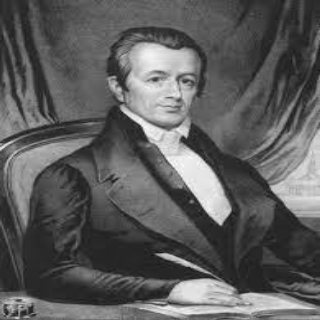
Adoniram Judson
The Dying World Outside My Window
“What a mystery,” wrote Horatius Bonar, “the soul and eternity of one man depends upon the voice of another.” What a mystery, I then thought, that I do not speak more. I gazed out of my window. Three houses stood across the street. Of two, I had to ask myself, Who lives there? What were they doing as I read and prayed? Although I had not yet met them, I knew much about them. They — whoever they were — like me, had been born in sin. They, like me, had souls. They, like me, careened irreversibly towards eternity. They, like me, were tempted to ruin their souls, blinded and energized to do so by unseen spiritual forces. And they, like me, lived deceitfully mundane lives upon a thread floating between heaven and hell, now and forever. As I looked at the homes which sheltered eternal beings, I realized that my voice had not yet traveled across the street. Even though I knew news that they desperately need to hear and a “him” that they were made for (Colossians 1:16), my voice had not bothered to make its way to speak to them, befriend them, and share with them the most necessary message to ever grace human ears: the gospel of Jesus Christ. What a mystery, that the soul and eternity of one man depends on the voice of another — and that the voice upon which souls depend would be so terribly silent and unconcerned. To the Highways and Hedges It is not an overstatement that souls depend upon us to speak. How will they believe if they never hear (Romans 10:14)? “It is not an overstatement that the world depends upon the church to speak.” Each one of us has a part to play; each has work of the ministry to accomplish (Ephesians 4:11–12). Standing far below the electing love of God, you and I muster our courage to knock on doors, to invite neighbors for dinner, to reason with them about God, sin, and Jesus Christ — his cross and resurrection. We all have people to tell the bad news of their condemned standing before a holy God, and the good news of amazing grace that God, in the gospel of his Son, is reconciling sinners to himself. What kind of man — and I stare at him in the mirror more often than I like — could so calmly smile and wave, laugh and chitchat with his dying neighbor, and yet rarely get around to opening my mouth to witness to the authority, love, and mercy of Jesus Christ? Devils wink as sinners perish. Demons dance as the lost submerge undisturbed. Saints, as we see them in Scripture and church history, do not join them, masking their indifference with tutored speech about God’s sovereignty to excuse inactivity. They weep, they fast, they pray. They walk across the street, they share their very lives and this great news, this only news of reconciliation with God. They speak the name — the only name given under heaven — by which we must be saved. As ambassadors of Christ, they implore the lost, “Be reconciled to God!” (2 Corinthians 5:20). They happily go to the highways and hedges of this fallen world, and compel them to come into the Master’s great banquet (Luke 14:23). When you look out your window, when you scroll through your text conversations, when you sit down at the dinner table, or enjoy laughter with friends, do they know? Have they heard? What else should we discuss if not this? But oh, how much do we discuss instead of this. Beyond Personality Types Some do not speak because you are not as profitably given to the verbal exercise as your extroverted brothers and sisters. What comes fluently, naturally, effortlessly for others requires great toil and courage for you. For whatever reason, speaking to strangers is very uncomfortable — your throat clenches in protest, you become short of breath, you grow very self-conscious. Perhaps you replay embarrassing moments early in life, when you seemed to speak English as a second language. Thus, this part of our Christian calling, speaking the good news to others, comes to you with dense clouds and a darkness to be felt. Though you are not the mouth of the Body, your voice — and perhaps especially your voice — is needed, my brother or sister. Your words, rarer and thus less inflated, can do what those whose words are voluminous cannot do as easily: come with weight. We need your testimony to the steadfast love of God. Consider less what your sweaty hands and rapid pulse has to say about you, or how Myers-Briggs describes you. Let God dictate who you are and how you see yourself. Who You Are Who are you? You are a chosen race, a royal priesthood, a holy nation, a people for his own possession, that you may proclaim the excellencies of him who called you out of darkness into his marvelous light. Once you were not a people, but now you are God’s people; once you had not received mercy, but now you have received mercy. (1 Peter 2:9–10) Once you were less than nothing. A child of Satan, a spiritual harlot, a rebel defying the living God. You wallowed in the blood of your fallen father, Adam, without hope and without God in the world. But he, being rich in mercy, because of the great love with which he loved you — a love unsought, unreturned, undeserved — made you alive together with Christ. And this excellent Christ, not considering his equality with God something to be grasped, became poor so that you might be rich — died so that you might live (2 Corinthians 8:9). “Have we forgotten the wonder and privilege of bringing the power of God for salvation to lost souls?” And he made us a people — his people. And he gives us a voice, a purpose: to proclaim his excellencies. We, so seemingly unimpressive and nonthreateningly normal — saints with normal jobs in normal neighborhoods — carry the spectacular message next door and across the street: Christ has died for the forgiveness of sins for all who repent and believe the gospel. This gold lies in jars of clay. We must let it out. We must speak, and go on speaking. It depends not on what our strengths are nor on what personalities we possess — it matters who Christ has made us to be. And he has made us his chosen race, his royal priesthood, his holy nation of people who are satisfied in his excellencies — and can’t stop talking about them. Any Sweeter Work? Have I, have you, have we, forgotten the wonder and privilege of bringing the power of God for salvation to lost souls? Do we now count it a burden? Spurgeon asks each one of us, [We who are] sent on so sweet a service as the proclaiming of the gospel, how can we tarry? What, to tell the poor criminal shut up in the dungeon of despair that there is liberty, to tell the condemned that there is pardon, to tell the dying that there is life in a look at the crucified One — do you find this hard? Do you call this toil? Should it not be the sweetest feature of your life that you have such blessed work as this to do? To speak of him and live lives of love that do not blaspheme his holy name — do we not feel that this is a very small response to such a great salvation? Jesus was slaughtered in the garbage heap outside the camp so that we might go out to him and “continually offer up a sacrifice of praise to God, that is, the fruit of lips that acknowledge his name” (Hebrews 13:15). “What a mystery,” wrote Horatius Bonar, “the soul and eternity of one man depends upon the voice of another.” What a mystery indeed. Let’s not deprive our neighbors of ours this year, but resolve to send out our voices as light into the darkness, proclaiming the excellencies of Jesus Christ. Article by Greg Morse Staff writer, desiringGod.org