



-160.webp)



About the Book
"Tears In Spiritual Life" by Pope Shenouda III explores the importance and significance of tears in one's spiritual journey. The book delves into the various types of tears, their role in repentance and healing, and how they can help individuals grow closer to God. Pope Shenouda III emphasizes the transformative power of tears in deepening one's spiritual life and fostering a deeper connection with God.
Smith Wigglesworth
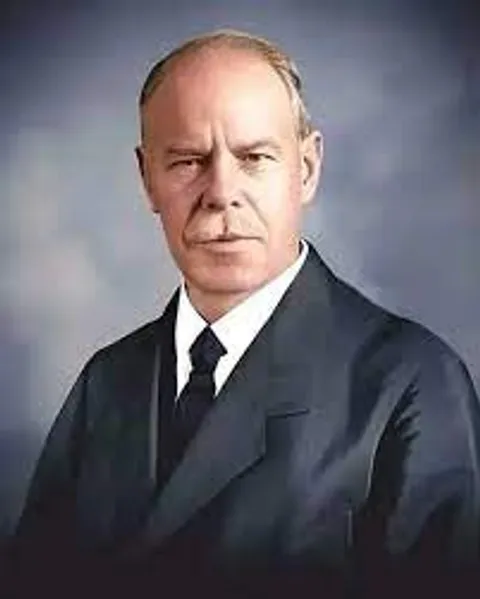 Smith Wigglesworth was born in 1859 to a very poor family. His father did manual labor, for very little pay. Smith himself went to work at the age of six to help with the family income. At six he was pulling turnips and at seven he was working in a woolen mill twelve hours a day. His parents did not know God, but Smith hungered in his heart to know Him. Even as a youngster he would pray in the fields. His grandmother was the critical Christian in his life. She was a Wesleyan Methodist and would take Smith to meetings with her. At one of these meetings there was a song being sung about Jesus as the lamb and Smith came into the realization of God's love for him and his decision to believe Christ for his salvation was decided that day. He was immediately filled with the desire to evangelize and led his own mother to Christ.
Smith has various church experiences as he was growing up. He first went to an Episcopal church and then at thirteen a Wesleyan Methodist church. When he was sixteen he became involved in the Salvation Army. He felt deeply called to fast and pray for lost souls. He saw many people come to Christ. At seventeen a mentor shared with him about water baptism and he decided to be baptized. The Salvation Army was experiencing a tremendous level of the power of God in those days. He describes meetings where "many would be prostrated under the power of the Spirit, sometimes for as long as twenty-four hours at a time." They would pray and fast and cry out for the salvation of fifty or a hundred people for the week and they would see what they had prayed for.
At eighteen Smith left the factory and became a plumber. He moved to Liverpool when he was twenty and continued to work during the day and minister during his free time. He felt called to minister to young people and brought them to meetings. These were destitute and ragged children, whom he would often feed and care for. Hundreds were saved. Smith was often asked to speak in Salvation meetings and he would break down and weep under the power of God. Many would come to repentance in those meetings through this untrained man. At twenty-three he returned back Bradford and continued his work with the Salvation Army.
In Bradford Smith met Mary Jane Featherstone, known as Polly, the daughter of a temperance lecturer. She left home and went to Bradford to take a servants job. One night she was drawn to a Salvation Army meeting. She listened to the woman evangelist, Gipsy Tillie Smith, and gave her heart to Christ. Smith was in that meeting and saw her heart for God. Polly became an enthusiastic Salvationsist and was granted a commission by General Booth. They developed a friendship, but Polly went to Scotland to help with a new Salvationist work. She eventually moved back to Bradford and married Smith, who was very much in love with her.
The couple worked together to evangelize the lost. They opened a small church in a poor part of town. Polly would preach and Smith would make the altar calls. For a season, however, Smith became so busy with his plumbing work that his evangelistic fervor began to wane. Polly continued on, bringing Smith to conviction. One day while Smith was working in the town of Leeds he heard of a divine healing meeting. He shared with Polly about it. She needed healing and so they went to a meeting, and Polly was healed.
Smith struggled with the reality of healing, while being ill himself. He decided to give up the medicine that he was taking and trust God. He was healed. They had five children, a girl and four boys. One morning two of the boys were sick. The power of God came and they prayed for the boys and they were instantly healed. Smith struggled with the idea that God would use him to heal the sick in general. He would gather up a group of people and drive them to get prayer in Leeds. The leaders of the meeting were going to a convention and left Smith in charge. He was horrified. How could he lead a meeting about divine healing? He tried to pass it off to someone else but could not. Finally he led the meeting and several people were healed. That was it. From then on Smith began to pray for people for healing.
Smith had another leap to make. He had heard about the Pentecostals who were being baptized in the Holy Spirit. He went to meetings and was so hungry for God he created a disturbance and church members asked him to stop. He went to prayer and prayed for four days. Finally he was getting ready to head home and the vicar's wife prayed for him and he fell under the power of God and spoke in tongues. Everything changed after that. He would walk by people and they would come under the conviction of the Holy Spirit and be saved. He began to see miracles and healings and the glory of God would fall when he prayed and preached.
Smith had to respond to the many calls that came in and gave up his business for the ministry. Polly unexpectedly died in 1913, and this was a real blow to Smith. He prayed for her and commanded that death release her. She did arise but said "Smith - the Lord wants me." His heartbroken response was "If the Lord wants you, I will not hold you". She had been his light and joy for all the years of their marriage, and he grieved deeply over the loss. After his wife was buried he went to her grave, feeling like he wanted to die. When God told him to get up and go Smith told him only if you "give to me a double portion of the Spirit – my wife’s and my own – I would go and preach the Gospel. God was gracious to me and answered my request.” His daughter Alice and son-in-law James Salter began to travel with him to handle his affairs.
Smith would pray and the blind would see, and the deaf were healed, people came out of wheelchairs, and cancers were destroyed. One remarkable story is when He prayed for a woman in a hospital. While he and a friend were praying she died. He took her out of the bed stood her against the wall and said "in the name of Jesus I rebuke this death". Her whole body began to tremble. The he said "in the name of Jesus walk", and she walked. Everywhere he would go he would teach and then show the power of God. He began to receive requests from all over the world. He taught in Europe, Asia, New Zealand and many other areas. When the crowds became very large he began a "wholesale healing". He would have everyone who needed healing lay hands on themselves and then he would pray. Hundreds would be healed at one time.
Over Smith's ministry it was confirmed that 14 people were raised from the dead. Thousands were saved and healed and he impacted whole continents for Christ. Smith died on March 12, 1947 at the funeral of his dear friend Wilf Richardson. His ministry was based on four principles " First, read the Word of God. Second, consume the Word of God until it consumes you. Third believe the Word of God. Fourth, act on the Word."
Smith Wigglesworth was born in 1859 to a very poor family. His father did manual labor, for very little pay. Smith himself went to work at the age of six to help with the family income. At six he was pulling turnips and at seven he was working in a woolen mill twelve hours a day. His parents did not know God, but Smith hungered in his heart to know Him. Even as a youngster he would pray in the fields. His grandmother was the critical Christian in his life. She was a Wesleyan Methodist and would take Smith to meetings with her. At one of these meetings there was a song being sung about Jesus as the lamb and Smith came into the realization of God's love for him and his decision to believe Christ for his salvation was decided that day. He was immediately filled with the desire to evangelize and led his own mother to Christ.
Smith has various church experiences as he was growing up. He first went to an Episcopal church and then at thirteen a Wesleyan Methodist church. When he was sixteen he became involved in the Salvation Army. He felt deeply called to fast and pray for lost souls. He saw many people come to Christ. At seventeen a mentor shared with him about water baptism and he decided to be baptized. The Salvation Army was experiencing a tremendous level of the power of God in those days. He describes meetings where "many would be prostrated under the power of the Spirit, sometimes for as long as twenty-four hours at a time." They would pray and fast and cry out for the salvation of fifty or a hundred people for the week and they would see what they had prayed for.
At eighteen Smith left the factory and became a plumber. He moved to Liverpool when he was twenty and continued to work during the day and minister during his free time. He felt called to minister to young people and brought them to meetings. These were destitute and ragged children, whom he would often feed and care for. Hundreds were saved. Smith was often asked to speak in Salvation meetings and he would break down and weep under the power of God. Many would come to repentance in those meetings through this untrained man. At twenty-three he returned back Bradford and continued his work with the Salvation Army.
In Bradford Smith met Mary Jane Featherstone, known as Polly, the daughter of a temperance lecturer. She left home and went to Bradford to take a servants job. One night she was drawn to a Salvation Army meeting. She listened to the woman evangelist, Gipsy Tillie Smith, and gave her heart to Christ. Smith was in that meeting and saw her heart for God. Polly became an enthusiastic Salvationsist and was granted a commission by General Booth. They developed a friendship, but Polly went to Scotland to help with a new Salvationist work. She eventually moved back to Bradford and married Smith, who was very much in love with her.
The couple worked together to evangelize the lost. They opened a small church in a poor part of town. Polly would preach and Smith would make the altar calls. For a season, however, Smith became so busy with his plumbing work that his evangelistic fervor began to wane. Polly continued on, bringing Smith to conviction. One day while Smith was working in the town of Leeds he heard of a divine healing meeting. He shared with Polly about it. She needed healing and so they went to a meeting, and Polly was healed.
Smith struggled with the reality of healing, while being ill himself. He decided to give up the medicine that he was taking and trust God. He was healed. They had five children, a girl and four boys. One morning two of the boys were sick. The power of God came and they prayed for the boys and they were instantly healed. Smith struggled with the idea that God would use him to heal the sick in general. He would gather up a group of people and drive them to get prayer in Leeds. The leaders of the meeting were going to a convention and left Smith in charge. He was horrified. How could he lead a meeting about divine healing? He tried to pass it off to someone else but could not. Finally he led the meeting and several people were healed. That was it. From then on Smith began to pray for people for healing.
Smith had another leap to make. He had heard about the Pentecostals who were being baptized in the Holy Spirit. He went to meetings and was so hungry for God he created a disturbance and church members asked him to stop. He went to prayer and prayed for four days. Finally he was getting ready to head home and the vicar's wife prayed for him and he fell under the power of God and spoke in tongues. Everything changed after that. He would walk by people and they would come under the conviction of the Holy Spirit and be saved. He began to see miracles and healings and the glory of God would fall when he prayed and preached.
Smith had to respond to the many calls that came in and gave up his business for the ministry. Polly unexpectedly died in 1913, and this was a real blow to Smith. He prayed for her and commanded that death release her. She did arise but said "Smith - the Lord wants me." His heartbroken response was "If the Lord wants you, I will not hold you". She had been his light and joy for all the years of their marriage, and he grieved deeply over the loss. After his wife was buried he went to her grave, feeling like he wanted to die. When God told him to get up and go Smith told him only if you "give to me a double portion of the Spirit – my wife’s and my own – I would go and preach the Gospel. God was gracious to me and answered my request.” His daughter Alice and son-in-law James Salter began to travel with him to handle his affairs.
Smith would pray and the blind would see, and the deaf were healed, people came out of wheelchairs, and cancers were destroyed. One remarkable story is when He prayed for a woman in a hospital. While he and a friend were praying she died. He took her out of the bed stood her against the wall and said "in the name of Jesus I rebuke this death". Her whole body began to tremble. The he said "in the name of Jesus walk", and she walked. Everywhere he would go he would teach and then show the power of God. He began to receive requests from all over the world. He taught in Europe, Asia, New Zealand and many other areas. When the crowds became very large he began a "wholesale healing". He would have everyone who needed healing lay hands on themselves and then he would pray. Hundreds would be healed at one time.
Over Smith's ministry it was confirmed that 14 people were raised from the dead. Thousands were saved and healed and he impacted whole continents for Christ. Smith died on March 12, 1947 at the funeral of his dear friend Wilf Richardson. His ministry was based on four principles " First, read the Word of God. Second, consume the Word of God until it consumes you. Third believe the Word of God. Fourth, act on the Word."
Secret Allies in the Human Heart - The Advantage We Have in Evangelism
One warm, dusty midday, Jesus sat alone near Jacob’s well outside the Samaritan town of Sychar. His disciples had gone into town to buy food, but he had planned a different meal for himself (John 4:34). Soon a solitary woman arrived at the well with a large clay jar and began to draw water. Jesus asked her for a drink. So began one of the most famous evangelistic conversations in history. And this conversation is remarkably relevant to us twenty-first-century Christians. Because in it, Jesus demonstrates that hidden in the human heart are secret evangelistic allies, as Scottish preacher James Stewart once observed (Heralds of God, 53). These secret allies are deep-seated intuitions and longings that can help a person recognize the truth of the gospel. And like Jesus, if we listen carefully and prayerfully, both to the person and the Holy Spirit, we can engage these allies in the pursuit of that person’s ultimate joy. Obstacles to Evangelism In numerous ways, this woman would have appeared to most of us as an unlikely candidate for conversion. “Hidden in the human heart are secret evangelistic allies.” First, she was a Samaritan, which meant she was viewed and hated by most Jews as a member of a heretical, idolatrous religion. We would have assumed she reciprocated the hatred. She was a woman, which meant (according to ancient Near Eastern social norms) that she would have been reticent to enter into such a conversation alone with a strange man. And given the odd, hot time of day she chose to fetch water, we might have intuited some social estrangement from her own townspeople. In other words, there were layers of complex awkwardness about the whole situation — the kind of awkwardness most of us want to avoid, the kind we tend to assume will make fruitfulness unlikely. But Jesus, alert to the Holy Spirit and lovingly eager for this woman to experience grace and forgiveness and liberation and joy, stepped into the awkwardness. And notice how he navigated this conversation, engaging several secret allies along the way. Secret Allies in an Unlikely Convert It began with a mundane-sounding yet provocative request: “Give me a drink” (John 4:7). This simple question caught the woman off guard. Not only was a man addressing an unaccompanied woman, but a Jew was addressing a Samaritan. In doing so, however, Jesus acknowledged her as an image-bearer of God, according her the dignity due such a creation. Her deep, intuitive knowledge of the rightness of this became one secret ally in helping prepare her to receive the grace and mercy he offers. Then, given the immediate context of their conversation, Jesus used the metaphor of thirst to raise the issue of the woman’s deep, inconsolable longing for lasting hope, joy, meaning, and love — a longing she shared with all fallen humanity (John 4:10–15). He wasn’t put off by her skepticism and derogatory comments. He was after her joy, not defending himself. What he did was engage her soul-thirst as a secret gospel ally for her highest good. Then he gently stepped into another very awkward place: the woman’s sinful, painful past littered with the ruins of broken relational cisterns that had only left her more parched (Jeremiah 2:13; John 4:16–18). And he offered her the only water that could quench her thirst: the gracious, merciful love of God. Her pain proved to be the pivotal gospel ally in her heart (John 4:39), because she had an undeniable desire and need for God’s forgiveness, reconciliation, and redemption. But there was one more massive issue to deal with: What about the deep, bitter, complex, hostile, centuries-old ethno-religious disagreements between the Jews and the Samaritans (John 4:19–22)? Notice where in the conversation Jesus chose to address this (he ignored the controversy in verse 9). Jesus discerned that this woman needed to taste God’s care and kindness toward her before she would be open to hearing that she and her ancestors had worshiped in ignorance (John 4:22). So, he did deploy the ally of the truth she already knew from Jewish Scriptures, but not until he had developed some initial trust first. Having glimpsed the Great Well and tasted the living water (John 4:23–24), this woman forgot her jar by Jacob’s well and ran back to town to share the good news she had received (John 4:28–30). And her testimony resonated with the secret allies in the hearts of many of her neighbors in Sychar. Common Secret Allies This evangelistic conversation is admittedly exceptional because Jesus is exceptional. We rarely receive such supernatural insight into someone else’s life — though such gifts sometimes are given to believers by the Holy Spirit (1 Corinthians 14:24–25). But we can still learn from how Jesus engaged secret evangelistic allies in the hearts of his hearers. And while we may not be able to discern all he discerned as the God-man, we can still ask good questions, listen carefully, and pray for the Spirit to help us identify allies in each conversation. Certain allies are specific to particular people, like the Samaritan woman’s painful past. But there are allies that God has implanted in the hearts of every person. Here are some of them: We all instinctively recognize design in creation (Romans 1:19–20). We all are irresistibly drawn to transcendent glory (Psalm 8:1–4). We all have an intuitive knowledge of providence — that there is a purposeful intent to the created world, the events in it, and our own lives (Acts 17:22–31). We all know deep down that nihilism (ultimate meaninglessness implicit in metaphysical naturalism) is not true (Ecclesiastes 3:1–14). We all know we must have hope to keep going (Psalm 43:5; Lamentations 3:20–24; Romans 15:13). We all have an irrepressible longing for joy (Psalm 16:11; 43:4; Ecclesiastes 3:12; John 15:11; 1 Peter 1:8). We all intuitively recognize the moral law (Romans 2:14–15). We all know that we have transgressed the moral law and to some degree long to be free from guilt (Romans 3:23–26). We all at various times experience an undeniable desire for justice to prevail (Deuteronomy 16:19–20; Job 19:7–11; Proverbs 17:23; Micah 6:8; Matthew 12:18–21). We all have a sense of eternity in our hearts — we instinctively know death is not our ultimate end (Ecclesiastes 3:11). We all recognize the supreme beauty of love (Matthew 22:36–40; John 15:13; 1 Corinthians 13:13; 1 John 4:7–8). In claiming that we all know these things, I don’t mean that we all admit them, recognize them to the same degree, or explain them in the same way, but they are all part of the universal human experience. And the fact that we continually discuss and debate them is evidence of their presence. They are internal witnesses and pointers to the existence and nature of God, and in that way they become allies in our evangelism. Take Them to the Well On that warm, dusty day, on the slope of Mount Gerizim, the Lord himself became one massive, momentous fulfillment of the words of the old prophet: How beautiful upon the mountains are the feet of him who brings good news, who publishes peace, who brings good news of happiness, who publishes salvation, who says to Zion, “Your God reigns.” (Isaiah 52:7) “We all have eternity in our hearts — we instinctively know death is not our ultimate end.” He employed gospel allies already residing secretly in the heart of an unlikely convert to lead her to the living water she so desperately needed and longed for. Isn’t that essentially our story too? When it comes to evangelism, we can be too easily intimidated, especially when someone looks unlikely to respond well. It can appear to us like the ground isn’t level, like we occupy the less defendable ground because our hearer is likely to judge our gospel as foolish or weak (1 Corinthians 1:22–25). In truth, the ground is often not level, but not in the way we might fear. Often, we have the advantage because, as with Jesus that day outside Sychar, we have unseen gospel allies residing in the hearts of our hearers. And if we listen carefully and prayerfully to our hearers, the Holy Spirit can show us how to employ them. Because when it comes to the power of God in evangelism (1 Corinthians 1:18), “the foolishness of God is wiser than men, and the weakness of God is stronger than men” (1 Corinthians 1:25). We don’t need to be experts in apologetics or trained theologians to share the good news with others, even with the most resistant and entrenched. Often, we simply need to care more about helping them find the living water they so desperately need than about protecting our reputation or demonstrating how right we are. And if we do, we will find that we have secret allies in the pursuit of that person’s highest joy. Article by Jon Bloom Staff writer, desiringGod.org