

Others like sharpen your discernment Features >>








About the Book
"Sharpen Your Discernment" by Roberts Liardon is a practical guide for developing and refining one's ability to discern truth from deception in today's complex world. Liardon provides insights and strategies for sharpening one's spiritual discernment through prayer, meditation, and studying the scriptures. He emphasizes the importance of cultivating discernment in order to navigate life's challenges and make wise decisions.
William Carey
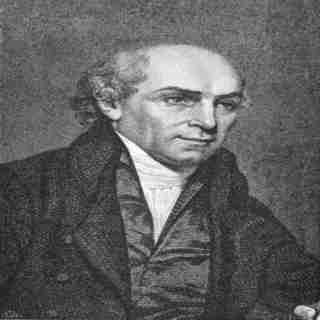 "Expect great things; attempt great things."
At a meeting of Baptist leaders in the late 1700s, a newly ordained minister stood to argue for the value of overseas missions. He was abruptly interrupted by an older minister who said, "Young man, sit down! You are an enthusiast. When God pleases to convert the heathen, he'll do it without consulting you or me."
That such an attitude is inconceivable today is largely due to the subsequent efforts of that young man, William Carey.
Plodder Carey was raised in the obscure, rural village of Paulerpury, in the middle of England. He apprenticed in a local cobbler's shop, where the nominal Anglican was converted. He enthusiastically took up the faith, and though little educated, the young convert borrowed a Greek grammar and proceeded to teach himself New Testament Greek.
When his master died, he took up shoemaking in nearby Hackleton, where he met and married Dorothy Plackett, who soon gave birth to a daughter. But the apprentice cobbler's life was hard—the child died at age 2—and his pay was insufficient. Carey's family sunk into poverty and stayed there even after he took over the business.
"I can plod," he wrote later, "I can persevere to any definite pursuit." All the while, he continued his language studies, adding Hebrew and Latin, and became a preacher with the Particular Baptists. He also continued pursuing his lifelong interest in international affairs, especially the religious life of other cultures.
Carey was impressed with early Moravian missionaries and was increasingly dismayed at his fellow Protestants' lack of missions interest. In response, he penned An Enquiry into the Obligations of Christians to Use Means for the Conversion of the Heathens. He argued that Jesus' Great Commission applied to all Christians of all times, and he castigated fellow believers of his day for ignoring it: "Multitudes sit at ease and give themselves no concern about the far greater part of their fellow sinners, who to this day, are lost in ignorance and idolatry."
Carey didn't stop there: in 1792 he organized a missionary society, and at its inaugural meeting preached a sermon with the call, "Expect great things from God; attempt great things for God!" Within a year, Carey, John Thomas (a former surgeon), and Carey's family (which now included three boys, and another child on the way) were on a ship headed for India.
Stranger in a strange land
Thomas and Carey had grossly underestimated what it would cost to live in India, and Carey's early years there were miserable. When Thomas deserted the enterprise, Carey was forced to move his family repeatedly as he sought employment that could sustain them. Illness racked the family, and loneliness and regret set it: "I am in a strange land," he wrote, "no Christian friend, a large family, and nothing to supply their wants." But he also retained hope: "Well, I have God, and his word is sure."
He learned Bengali with the help of a pundit, and in a few weeks began translating the Bible into Bengali and preaching to small gatherings.
When Carey himself contracted malaria, and then his 5-year-old Peter died of dysentery, it became too much for his wife, Dorothy, whose mental health deteriorated rapidly. She suffered delusions, accusing Carey of adultery and threatening him with a knife. She eventually had to be confined to a room and physically restrained.
"This is indeed the valley of the shadow of death to me," Carey wrote, though characteristically added, "But I rejoice that I am here notwithstanding; and God is here."
Gift of tongues
In October 1799, things finally turned. He was invited to locate in a Danish settlement in Serampore, near Calcutta. He was now under the protection of the Danes, who permitted him to preach legally (in the British-controlled areas of India, all of Carey's missionary work had been illegal).
Carey was joined by William Ward, a printer, and Joshua and Hanna Marshman, teachers. Mission finances increased considerably as Ward began securing government printing contracts, the Marshmans opened schools for children, and Carey began teaching at Fort William College in Calcutta.
In December 1800, after seven years of missionary labor, Carey baptized his first convert, Krishna Pal, and two months later, he published his first Bengali New Testament. With this and subsequent editions, Carey and his colleagues laid the foundation for the study of modern Bengali, which up to this time had been an "unsettled dialect."
Carey continued to expect great things; over the next 28 years, he and his pundits translated the entire Bible into India's major languages: Bengali, Oriya, Marathi, Hindi, Assamese, and Sanskrit and parts of 209 other languages and dialects.
He also sought social reform in India, including the abolition of infanticide, widow burning (sati), and assisted suicide. He and the Marshmans founded Serampore College in 1818, a divinity school for Indians, which today offers theological and liberal arts education for some 2,500 students.
By the time Carey died, he had spent 41 years in India without a furlough. His mission could count only some 700 converts in a nation of millions, but he had laid an impressive foundation of Bible translations, education, and social reform.
His greatest legacy was in the worldwide missionary movement of the nineteenth century that he inspired. Missionaries like Adoniram Judson, Hudson Taylor, and David Livingstone, among thousands of others, were impressed not only by Carey's example, but by his words "Expect great things; attempt great things." The history of nineteenth-century Protestant missions is in many ways an extended commentary on the phrase.
"Expect great things; attempt great things."
At a meeting of Baptist leaders in the late 1700s, a newly ordained minister stood to argue for the value of overseas missions. He was abruptly interrupted by an older minister who said, "Young man, sit down! You are an enthusiast. When God pleases to convert the heathen, he'll do it without consulting you or me."
That such an attitude is inconceivable today is largely due to the subsequent efforts of that young man, William Carey.
Plodder Carey was raised in the obscure, rural village of Paulerpury, in the middle of England. He apprenticed in a local cobbler's shop, where the nominal Anglican was converted. He enthusiastically took up the faith, and though little educated, the young convert borrowed a Greek grammar and proceeded to teach himself New Testament Greek.
When his master died, he took up shoemaking in nearby Hackleton, where he met and married Dorothy Plackett, who soon gave birth to a daughter. But the apprentice cobbler's life was hard—the child died at age 2—and his pay was insufficient. Carey's family sunk into poverty and stayed there even after he took over the business.
"I can plod," he wrote later, "I can persevere to any definite pursuit." All the while, he continued his language studies, adding Hebrew and Latin, and became a preacher with the Particular Baptists. He also continued pursuing his lifelong interest in international affairs, especially the religious life of other cultures.
Carey was impressed with early Moravian missionaries and was increasingly dismayed at his fellow Protestants' lack of missions interest. In response, he penned An Enquiry into the Obligations of Christians to Use Means for the Conversion of the Heathens. He argued that Jesus' Great Commission applied to all Christians of all times, and he castigated fellow believers of his day for ignoring it: "Multitudes sit at ease and give themselves no concern about the far greater part of their fellow sinners, who to this day, are lost in ignorance and idolatry."
Carey didn't stop there: in 1792 he organized a missionary society, and at its inaugural meeting preached a sermon with the call, "Expect great things from God; attempt great things for God!" Within a year, Carey, John Thomas (a former surgeon), and Carey's family (which now included three boys, and another child on the way) were on a ship headed for India.
Stranger in a strange land
Thomas and Carey had grossly underestimated what it would cost to live in India, and Carey's early years there were miserable. When Thomas deserted the enterprise, Carey was forced to move his family repeatedly as he sought employment that could sustain them. Illness racked the family, and loneliness and regret set it: "I am in a strange land," he wrote, "no Christian friend, a large family, and nothing to supply their wants." But he also retained hope: "Well, I have God, and his word is sure."
He learned Bengali with the help of a pundit, and in a few weeks began translating the Bible into Bengali and preaching to small gatherings.
When Carey himself contracted malaria, and then his 5-year-old Peter died of dysentery, it became too much for his wife, Dorothy, whose mental health deteriorated rapidly. She suffered delusions, accusing Carey of adultery and threatening him with a knife. She eventually had to be confined to a room and physically restrained.
"This is indeed the valley of the shadow of death to me," Carey wrote, though characteristically added, "But I rejoice that I am here notwithstanding; and God is here."
Gift of tongues
In October 1799, things finally turned. He was invited to locate in a Danish settlement in Serampore, near Calcutta. He was now under the protection of the Danes, who permitted him to preach legally (in the British-controlled areas of India, all of Carey's missionary work had been illegal).
Carey was joined by William Ward, a printer, and Joshua and Hanna Marshman, teachers. Mission finances increased considerably as Ward began securing government printing contracts, the Marshmans opened schools for children, and Carey began teaching at Fort William College in Calcutta.
In December 1800, after seven years of missionary labor, Carey baptized his first convert, Krishna Pal, and two months later, he published his first Bengali New Testament. With this and subsequent editions, Carey and his colleagues laid the foundation for the study of modern Bengali, which up to this time had been an "unsettled dialect."
Carey continued to expect great things; over the next 28 years, he and his pundits translated the entire Bible into India's major languages: Bengali, Oriya, Marathi, Hindi, Assamese, and Sanskrit and parts of 209 other languages and dialects.
He also sought social reform in India, including the abolition of infanticide, widow burning (sati), and assisted suicide. He and the Marshmans founded Serampore College in 1818, a divinity school for Indians, which today offers theological and liberal arts education for some 2,500 students.
By the time Carey died, he had spent 41 years in India without a furlough. His mission could count only some 700 converts in a nation of millions, but he had laid an impressive foundation of Bible translations, education, and social reform.
His greatest legacy was in the worldwide missionary movement of the nineteenth century that he inspired. Missionaries like Adoniram Judson, Hudson Taylor, and David Livingstone, among thousands of others, were impressed not only by Carey's example, but by his words "Expect great things; attempt great things." The history of nineteenth-century Protestant missions is in many ways an extended commentary on the phrase.
Though Dead, He Still Speaks - How Satan Remembers C.S. Lewis
The scene is in hell at the annual dinner of the Tempters’ Training College for young devils. The principal, Dr. Snufftub, has just proposed a toast to the health of the guests. Grimgod, a very experienced devil, who is the guest of honor, rises to reply: Headmaster, favorite Decadents, Ghouls, Fiends, and Imps, to my Intolerable Tempters, Ghastly Graduates, and Gentledevils: Gladly do I assume my place in our great tradition to charge our recent graduates towards highest malevolence, mischief, and devilry. I could begin my remarks by dribbling on about how honored I am to have been invited — but you, my lowly esteemed guests, are not humans to be flattered, and I, not a man to feign humility. I tell you plainly: I both deserve and expected to address you this evening. If but for that incompetent Dr. Slubgob — whose faults and failings (and finish) you are all keenly aware — I would have said my piece centuries ago. You would search in vain to find one more suitable in all of Satandom to enflame you in such crucial times as ours. Now that I have your attention, let me direct it to the point of my address: As the tide begins to turn decisively in our favor, we must not let the enemy regain his footing. To initiate a final push, to rally the closing campaign, we must do what young devils tend to relax: We must sever the humans from voices of the past. Now is the time to dispel the great cloud of witnesses, silence those terrible men and women who, though they died, still speak — should they continue to make fools of us? In the name of all that is unholy, they will not! Some of you — and this to your disgrace — do not mind old books lying peacefully upon nightstands. Some of these (and check the registry to recall which ones) cast light upon our shadows, point out ancient traps, inform them of our designs, and thus threaten to rouse this otherwise slumbering generation — but there they lie, tolerated. Many of you are too young to have grown already so careless. As we feast in celebration, I for one agitate to hear their voices sound disgracefully, mockingly outside of our gates. Can you not hear them? For every scrap of the damned that lies upon your plate, for every bite that inspires your snorts and howls, awaken to the fact that negligence in this matter allows the dead to steal meat from our bellies and drink from our cups. Gnash your teeth to realize that they caused us — during this past shortage — to sup on the relatives of most in this room. Their shrieks of protest, still fresh in my mind, commission us all to exorcise these voices from the earth. Should our war efforts continue to be frustrated by ghosts? Appraise one such a phantom — whose birthday happens to fall on this very day — that Irksome Irishman whose very name has become a curse: C.S. Lewis. Stories of Aslan First recall, with trembling voice, that embarrassment, Soretongue, who lost the patient after so many decades in his grasp. A blunder, young Graduates, that few listening to my voice could hope to surpass. His influence took a staunch atheist, a reviler of the faith, and turned him into one of these haunting voices of which I now warn you. Consider the error in full. Consider what this Lewis became. For one thing, this man — unlike so many of their drab ministers and colorless academics whose work we most heartily support — made ghastly impressions upon even our most prized possessions: the children. Through that otherwise terribly useful faculty, the imagination, he corrupted boys and girls across the globe with stories containing the Enemy’s horrible Echo scribbled across their pages. In a make-believe world, with a make-believe lion, and all sorts of other bumbling characters, he captured more than their attention. Can you believe that after losing the man, this dimwitted Tempter actually laughed over Clive’s shoulder as he wrote? “Pure rubbish,” I believe he called it. He could not discern the Enemy’s propaganda smuggled into fictional stories featuring the children, princes, rats, dragons, magical kingdoms, white witches, curses, and fauns. “As threatening to our designs as an old, blind, toothless tiger,” Soretongue reported. But this seducer beckoned into Narnia to show them earth. He introduced Edmund, Lucy, Peter, Eustace, Reepicheep to introduce them to themselves. He told of Aslan — and excuse me for my exasperation — to bring them to that nasty Uncreated One of Judah. He discovered how to preach sermons to children, and Soretongue smiled at it. The Enemy plundered our keepsake through the back of a wardrobe. Wicked Leaks In another turn, that logic, which we knew those many years only as an ally, betrayed us in the end. With each passing essay, with each published book, with each responded letter, radio broadcast, and sermon, he toured them up the mountain to look above to the Enemy and then below upon the labyrinths we so carefully devised for their destruction. Soretongue grossly underestimated the danger of this topographer in our war efforts. Our twisted and turned paths, knotted by delicious deceits and half-truths, began to be spoiled by his mapping out our temptations and pits. Our smoke of relativism, atheism, materialism — and our other favorite isms — availed minimally against this crow who made his nest above the fog. In the last, you might have thought, after Soretongue was through with him, that this fattened pig turned wizard to have broken so many of our spells of worldliness. So often did he — with great exaggeration and deceit, to be sure — appeal to that other world beyond, that many of our enticements fell useless against the bewitched souls of his hearers. His many embellishments about the “weight of glory” and other such nonsense, gross as such slobber stands to us, moved countless humans to take seriously the Enemy’s lies about such things as eternal life. He, pirating the Enemy’s horrible Book, talked often and much of holidays at sea, the country beyond, about the scent, the sight, the longing for a land that they were “made for” — a home standing just over the hill, just around the bend. And something called Joy with a capital J. He fooled the vermin, with pretty colors and poetic potpourri, that the Enemy’s torture and death somehow ensured that his followers — who also take up their own crosses and endure their own sufferings after him — might be the better off in the end. May it never be! Should not the mere existence of our established kingdom below expose the slight of hand? If heaven was as the Enemy so shamelessly boasts it is, why should a host of us so violently leave? But Lewis, with his wand in hand doodling fictions, compelled the swine towards the true ruin we so narrowly escaped. They will find him out eventually. Yet, though they will be sorely and deliciously disappointed at the road’s end, we will still remain the hungrier for it. Silence the Skunks But, enough of the man. I do not mean to honor the vermin by speaking too much of him. The point is this: Do not let the message of the departed saints survive. Should we, of all beings, not know how to silence the dead? Cut out the tongues of the mischief-makers. Six feet below is too shallow — dig deeper. A toast, then. You have studied. You have hungered. You have tempted, watched, and waited for this day. Each of you has, with the indispensable help of your more fiendish advisor, damned one human soul. The dish prepared so perversely before you contains remnants of your spoil — the lion’s share going, of course, to your mentor. May it be the beginning of uninterrupted success — for you know what awaits any alternative. Raise your glasses. To a future brim-filled with courage, cruelty, and conviction. To the setting of sun and the fleeing of the light. To the return of the age of devils. To the silencing of the skunks — to one we mock, “Happy birthday!” Onward and downward! Article by Greg Morse
-1-480.webp)