





-by-karen-kingsbury-160.webp)

About the Book
In "Redemption" by Karen Kingsbury, the Baxter family faces a difficult time when their father, John, suffers a heart attack. As they rally together to support him, they are forced to confront past hurts and mistakes, ultimately finding forgiveness, healing, and redemption in their relationships with each other and with God. The novel explores themes of family, faith, and the power of love.
Warren Wiersbe
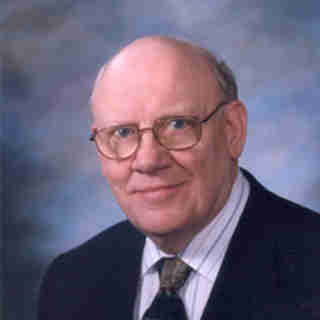 Dr. Warren Wiersbe once described Heaven as “not only a destination, but also a motivation. When you and I are truly motivated by the promise of eternity with God in heaven, it makes a difference in our lives.”
For Wiersbe, the promise of eternity became the motivation for his long ministry as a pastor, author, and radio speaker. Beloved for his biblical insight and practical teaching, he was called “one of the greatest Bible expositors of our generation” by the late Billy Graham.
Warren W. Wiersbe died on May 2, 2019, in Lincoln, Nebraska, just a few weeks shy of his 90th birthday.
“He was a longtime, cherished friend of Moody Bible Institute, a faithful servant of the Word, and a pastor to younger pastors like me,” said Dr. Mark Jobe, president of Moody Bible Institute. “We are lifting up pastor Wiersbe’s family in prayer at this time and rejoicing in the blessed hope that believers share together.”
Wiersbe grew up in East Chicago, Indiana, a town known for its steel mills and hard-working blue-collar families. In his autobiography, he connected some of his earliest childhood memories to Moody Bible Institute; his home church pastor was a 1937 graduate, Dr. William H. Taylor. After volunteering to usher at a 1945 Youth for Christ rally, Wiersbe found himself listening with rapt attention to Billy Graham’s sermon, and responded with a personal prayer of dedication.
In a precocious turn of events, the young Wiersbe was already a published author, having written a book of card tricks for the L. L. Ireland Magic Co. of Chicago. He quickly learned to liven up Sunday school lessons with magic tricks as object lessons (“not the cards!” he would say). After his high school graduation in 1947 (he was valedictorian), he spent a year at Indiana University before transferring to Northern Baptist Seminary in Chicago, where he earned a bachelor of theology degree. His future wife, Betty, worked in the school library, and Wiersbe was a frequent visitor.
While in seminary he became pastor of Central Baptist Church in East Chicago, serving until 1957. During those years he became a popular YFC speaker, which led to a full-time position with Youth for Christ International in Wheaton. He published his first article for Moody Monthly magazine in 1956, about Bible study methods, and seemed to outline his ongoing writing philosophy. “This is more of a personal testimony,” he said, “because I want to share these blessings with you, rather than write some scholarly essay, which I am sure I could not do anyway.”
At a 1957 YFC convention in Winona Lake, Indiana, Wiersbe preached a sermon that was broadcast live over WMBI, his first connection to Moody Radio. “I wish every preacher could have at least six months’ experience as a radio preacher,” he said later (because they would preach shorter).
While working with Youth for Christ, Wiersbe got a call from Pete Gunther at Moody Publishers, asking about possible book projects. First came Byways of Blessing (1961), an adult devotional; then two more books in 1962, A Guidebook for Teens and Teens Triumphant. He would eventually publish 14 titles with Moody, including William Culbertson: A Man of God (1974), Live Like a King (1976), The Annotated Pilgrim’s Progress (1980), and Ministering to the Mourning (2006), written with his son, David Wiersbe.
In 1961, D. B. Eastep invited Wiersbe to join the staff of Calvary Baptist Church in Covington, Kentucky. forming a succession plan that was hastened by Eastep’s sudden death in 1962. Warren and Betty Wiersbe remained at the church for 10 years, until they were surprised by a phone call from The Moody Church. The pastor, Dr. George Sweeting, had just resigned to become president of Moody Bible Institute. Would Wiersbe fill the pulpit, and pray about becoming a candidate?
He was already well known to the Chicago church—and to the MBI community. He continued to write for Moody Monthly and had just started a new column, “Insights for the Pastor.” The monthly feature continued to run during the years Wiersbe served at The Moody Church. Wiersbe would become one of the magazine’s most prolific writers—200 articles during a 40-year span. Meanwhile he also started work on the BE series of exegetical commentaries, books that soon found a place on the shelf of every evangelical pastor.
His ministry to pastors continued as he spoke at Moody Founder’s Week, Pastors’ Conference, and numerous campus events. He also inherited George Sweeting’s role as host of the popular Songs in the Night radio broadcast, produced by Moody Radio’s Bob Neff and distributed on Moody’s growing network of radio stations.
Later in life he would move to Lincoln, Nebraska, where he served as host of the Back to the Bible radio broadcast. He also taught courses on preaching at Trinity Evangelical Divinity School and Grand Rapids Baptist Seminary. He kept writing, eventually publishing more than 150 books and losing track of how many (“I can’t remember them all, and I didn’t save copies of everything,” he said.)
Throughout his ministry, Warren Wiersbe described himself as a bridge builder, a reference to his homiletical method of moving “from the world of the Bible to the world of today so that we could get to the other side of glory in Jesus.” As explained by his grandson, Dan Jacobson, “His preferred tools were words, his blueprints were the Scriptures, and his workspace was a self-assembled library.”
Several of Wiersbe’s extended family are Moody alums, including a son, David Wiersbe ’76; grandson Dan Jacobsen ’09 and his wife, Kristin (Shirk) Jacobsen ’09; and great-nephew Ryan Smith, a current student.
During his long ministry and writing career, Warren Wiersbe covered pretty much every topic, including the inevitability of death. These words from Ministering to the Mourning offer a fitting tribute to his own ministry:
We who are in Christ know that if He returns before our time comes to die, we shall be privileged to follow Him home. God’s people are always encouraged by that blessed hope. Yet we must still live each day soberly, realizing that we are mortal and that death may come to us at any time. We pray, “Teach us to number our days aright, that we may gain a heart of wisdom” (Psalm 90:12).
Dr. Warren Wiersbe once described Heaven as “not only a destination, but also a motivation. When you and I are truly motivated by the promise of eternity with God in heaven, it makes a difference in our lives.”
For Wiersbe, the promise of eternity became the motivation for his long ministry as a pastor, author, and radio speaker. Beloved for his biblical insight and practical teaching, he was called “one of the greatest Bible expositors of our generation” by the late Billy Graham.
Warren W. Wiersbe died on May 2, 2019, in Lincoln, Nebraska, just a few weeks shy of his 90th birthday.
“He was a longtime, cherished friend of Moody Bible Institute, a faithful servant of the Word, and a pastor to younger pastors like me,” said Dr. Mark Jobe, president of Moody Bible Institute. “We are lifting up pastor Wiersbe’s family in prayer at this time and rejoicing in the blessed hope that believers share together.”
Wiersbe grew up in East Chicago, Indiana, a town known for its steel mills and hard-working blue-collar families. In his autobiography, he connected some of his earliest childhood memories to Moody Bible Institute; his home church pastor was a 1937 graduate, Dr. William H. Taylor. After volunteering to usher at a 1945 Youth for Christ rally, Wiersbe found himself listening with rapt attention to Billy Graham’s sermon, and responded with a personal prayer of dedication.
In a precocious turn of events, the young Wiersbe was already a published author, having written a book of card tricks for the L. L. Ireland Magic Co. of Chicago. He quickly learned to liven up Sunday school lessons with magic tricks as object lessons (“not the cards!” he would say). After his high school graduation in 1947 (he was valedictorian), he spent a year at Indiana University before transferring to Northern Baptist Seminary in Chicago, where he earned a bachelor of theology degree. His future wife, Betty, worked in the school library, and Wiersbe was a frequent visitor.
While in seminary he became pastor of Central Baptist Church in East Chicago, serving until 1957. During those years he became a popular YFC speaker, which led to a full-time position with Youth for Christ International in Wheaton. He published his first article for Moody Monthly magazine in 1956, about Bible study methods, and seemed to outline his ongoing writing philosophy. “This is more of a personal testimony,” he said, “because I want to share these blessings with you, rather than write some scholarly essay, which I am sure I could not do anyway.”
At a 1957 YFC convention in Winona Lake, Indiana, Wiersbe preached a sermon that was broadcast live over WMBI, his first connection to Moody Radio. “I wish every preacher could have at least six months’ experience as a radio preacher,” he said later (because they would preach shorter).
While working with Youth for Christ, Wiersbe got a call from Pete Gunther at Moody Publishers, asking about possible book projects. First came Byways of Blessing (1961), an adult devotional; then two more books in 1962, A Guidebook for Teens and Teens Triumphant. He would eventually publish 14 titles with Moody, including William Culbertson: A Man of God (1974), Live Like a King (1976), The Annotated Pilgrim’s Progress (1980), and Ministering to the Mourning (2006), written with his son, David Wiersbe.
In 1961, D. B. Eastep invited Wiersbe to join the staff of Calvary Baptist Church in Covington, Kentucky. forming a succession plan that was hastened by Eastep’s sudden death in 1962. Warren and Betty Wiersbe remained at the church for 10 years, until they were surprised by a phone call from The Moody Church. The pastor, Dr. George Sweeting, had just resigned to become president of Moody Bible Institute. Would Wiersbe fill the pulpit, and pray about becoming a candidate?
He was already well known to the Chicago church—and to the MBI community. He continued to write for Moody Monthly and had just started a new column, “Insights for the Pastor.” The monthly feature continued to run during the years Wiersbe served at The Moody Church. Wiersbe would become one of the magazine’s most prolific writers—200 articles during a 40-year span. Meanwhile he also started work on the BE series of exegetical commentaries, books that soon found a place on the shelf of every evangelical pastor.
His ministry to pastors continued as he spoke at Moody Founder’s Week, Pastors’ Conference, and numerous campus events. He also inherited George Sweeting’s role as host of the popular Songs in the Night radio broadcast, produced by Moody Radio’s Bob Neff and distributed on Moody’s growing network of radio stations.
Later in life he would move to Lincoln, Nebraska, where he served as host of the Back to the Bible radio broadcast. He also taught courses on preaching at Trinity Evangelical Divinity School and Grand Rapids Baptist Seminary. He kept writing, eventually publishing more than 150 books and losing track of how many (“I can’t remember them all, and I didn’t save copies of everything,” he said.)
Throughout his ministry, Warren Wiersbe described himself as a bridge builder, a reference to his homiletical method of moving “from the world of the Bible to the world of today so that we could get to the other side of glory in Jesus.” As explained by his grandson, Dan Jacobson, “His preferred tools were words, his blueprints were the Scriptures, and his workspace was a self-assembled library.”
Several of Wiersbe’s extended family are Moody alums, including a son, David Wiersbe ’76; grandson Dan Jacobsen ’09 and his wife, Kristin (Shirk) Jacobsen ’09; and great-nephew Ryan Smith, a current student.
During his long ministry and writing career, Warren Wiersbe covered pretty much every topic, including the inevitability of death. These words from Ministering to the Mourning offer a fitting tribute to his own ministry:
We who are in Christ know that if He returns before our time comes to die, we shall be privileged to follow Him home. God’s people are always encouraged by that blessed hope. Yet we must still live each day soberly, realizing that we are mortal and that death may come to us at any time. We pray, “Teach us to number our days aright, that we may gain a heart of wisdom” (Psalm 90:12).
my times are in your hand - learning to trust the speed of god
Did you know your head ages faster than your feet? Scientists have confirmed this, proving again that Albert Einstein was spot-on in his theories of relativity: the speed of time is relative to a particular frame of reference. For us terrestrials, that frame of reference is earth’s gravitational force. The higher up from the earth something is, the weaker the gravitational pull and the faster time moves. An implication of this is that we frequently put our trust in a frame of reference on time different from the one we experience. For instance, the Global Positioning System (GPS) we rely on to accurately and safely guide us as we pilot our cars, ships, planes, and spaceships only works because it’s programmed, based on Einstein’s theories of relativity, to compensate for the distance between earth and space. Without those formulas, our computers and smartphones would soon get disastrously out of sync with the GPS satellites, which orbit in a different time. Stick with me; I am going somewhere with this. How we experience time depends on our frame of reference. And our particular frame of reference is not always the one we should trust. In fact, sometimes it’s critically important that we trust another framing more than our own. One Day with the Lord For Christians, this concept is nothing new. Over three millennia ago, Moses wrote, A thousand years in your sight are but as yesterday when it is past, or as a watch in the night. (Psalm 90:4) And some two millennia ago, Peter wrote, Do not overlook this one fact, beloved, that with the Lord one day is as a thousand years, and a thousand years as one day. (2 Peter 3:8) In other words, time in God’s eyes moves at different speeds from time in our ours. And in the life of faith, it’s critically important that we learn to rely on God’s timing more than our own — to learn to trust the speed of God. How Long, O Lord? Learning to trust God’s timing is not easy, to say the least. This is partly due to our sin and unbelief. But it’s also because trusting a frame of reference different from ours is, by definition, counterintuitive. Since we can’t calculate God’s time, his timing often doesn’t make sense to us. That’s why after Peter described one God-day as being like a thousand years for us, he went on to say, “The Lord is not slow . . . as some count slowness” (2 Peter 3:9). The “some” he referred to were “scoffers” who mocked Christians’ hope in the return of Christ (2 Peter 3:3–4). But the truth is that all of us fit into the “some” category at times. I don’t mean as scoffers, but as children of God painfully perplexed by our heavenly Father’s apparent slowness. We cry out, “How long, O Lord?” (Psalm 13:1), wondering when he will finally fulfill some promise to which we’re clinging. So, Peter exhorts us, the “beloved” of God, not to “overlook” the fact that God-time is not man-time; therefore, God “is not slow” as man counts slowness (2 Peter 3:8–9) — as I sometimes count slowness. Indeed, he is not. God Is Not Slow Someone who has created such a thing as light speed, and who knows what’s happening in every part of a universe spanning some 93 billion light-years across, is clearly not slow. “It’s critically important that we learn to rely on God’s timing more than our own.” It’s also clear, however, that such a being as God operates on a very different timeline than we do — if timeline is even the right word. For God is not constrained by time. He is the Father of time (Genesis 1:1; Colossians 1:16). He is “the Ancient of Days” (Daniel 7:9), existing “from everlasting to everlasting” (Psalm 90:2). God is not in time ; time is in God (Acts 17:28; Colossians 1:17). The “thousand years” of Psalm 90:4 and 2 Peter 3:8 is just a metaphor, using a timeframe we can somewhat comprehend to communicate a reality we can’t. So, when the speed of God seems slow to us, or when his timing doesn’t make sense, we must “not overlook this one fact”: God-time is different from man-time. God-time is relative to his purposes, which is his frame of reference. And God, according to his wise purposes, makes everything beautiful in its time — the time he purposefully chooses for it. Time for Everything Everything beautiful in its time . I get that from Ecclesiastes 3:11: [God] has made everything beautiful in its time. Also, he has put eternity into man’s heart, yet so that he cannot find out what God has done from the beginning to the end. This verse captures like no other both the mysterious nature of our experience of time, and the pointers God has placed within our frame of reference to help us trust the wisdom of his timing. In designing us with eternity in our hearts, the “eternal God” made us to know him (Deuteronomy 33:27). But in limiting the scope of our perspective and comprehension, he also made us to fundamentally trust him and not ourselves (Proverbs 3:5–6). This is how he means for us to know him: I am God, and there is no other; I am God, and there is none like me, declaring the end from the beginning and from ancient times things not yet done, saying, “My counsel shall stand, and I will accomplish all my purpose.” (Isaiah 46:9–10) He is “the everlasting God” (Isaiah 40:28), “who works all things,” including all time everywhere, “according to the counsel of his will” (Ephesians 1:11). One clear way he reveals the wisdom of his purposes is how he has created, in our frame of reference, “a time for every matter under heaven” (Ecclesiastes 3:1): a time to be born, and a time to die; a time to plant, and a time to pluck up what is planted; a time to kill, and a time to heal; a time to break down, and a time to build up; a time to weep, and a time to laugh; a time to mourn, and a time to dance. (Ecclesiastes 3:2–4) God “made everything beautiful in its time.” The Hebrew word translated “beautiful” means appropriate , fitting , right . God’s “invisible attributes” can be “clearly perceived” in the created order we observe and experience (Romans 1:20). They reveal the wisdom of his purposes — a wisdom far beyond ours. And God intends them to teach us that his “beautiful” timing can be trusted, even when we don’t understand it. In the Fullness of Time God did not merely leave us to deduce his character and wisdom from nature. For “when the fullness of time had come, God sent forth his Son” (Galatians 4:4). In Jesus, the Creator of all stepped into terrestrial time, into our frame of reference (John 1:2). In fully human form, he “dwelt among us,” directly revealing the divine attributes with a “glory as of the only Son from the Father, full of grace and truth” (John 1:14). “Time in God’s eyes moves at different speeds than time in our ours.” While here, he performed many signs and wonders and proclaimed, “The time is fulfilled, and the kingdom of God is at hand; repent and believe in the gospel” (Mark 1:14–15). As he did so, he displayed the marvelous wisdom of the timing of God, often in ways that surprised and confused his followers (John 4:1–42; 11:1–44). Then, when his time had come (John 12:23), Jesus obeyed his Father to the point of death on a cross, “offer[ing] for all time a single sacrifice for sins.” And then he was raised from the dead and “sat down at the right hand of God, waiting from that time until his enemies should be made a footstool for his feet” (Hebrews 10:12–14). As his followers, we also wait. We wait for the Father to “send the Christ appointed for [us], Jesus, whom heaven must receive until the time for restoring all the things about which God spoke by the mouth of his holy prophets long ago” (Acts 3:20–21). Trust the Speed of God As we wait, two thousand years later (or two God-days), we help each other remember, The Lord is not slow to fulfill his promise as some count slowness, but is patient toward [us], not wishing that any should perish, but that all should reach repentance. (2 Peter 3:9) Yes, we must frequently help each other remember: God-time moves at different speeds than ours. God works all things, at all times, in all places, in all dimensions, after the counsel of his will to accomplish all his purpose. God has a purposeful time for everything, and he makes everything beautiful in its time. However God chooses to use our times, it’s critically important that we learn to trust his timing over the relative and unreliable earthbound perspective that shapes our expectations. Our times, like all times, are in God’s hand (Psalm 31:15). This is what it means to live by faith in relation to time. In choosing to trust the speed of God, we humble ourselves under his mighty, time-holding hand. According to 1 Peter 5:6–7, the amazing reward of choosing to embrace such joyful, peaceful, childlike trust in God is that he will exalt us at the proper time.