
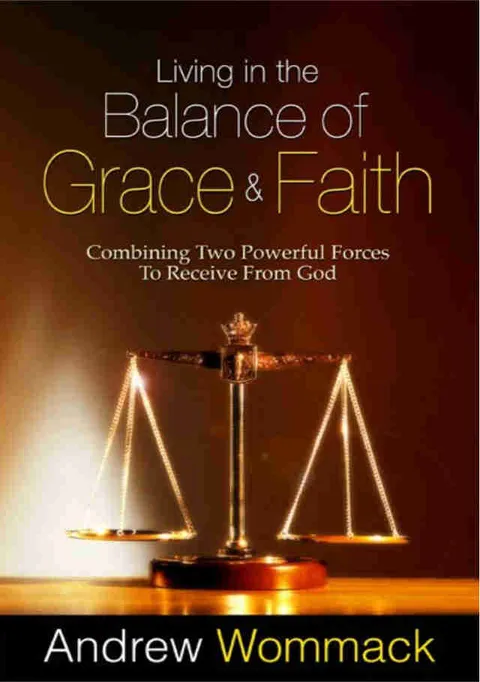

Living In The Balance Of Grace And Faith Order Printed Copy
- Author: Andrew Wommack
- Size: 562KB | 253 pages
- |
Others like living in the balance of grace and faith Features >>








About the Book
"Living in the Balance of Grace and Faith" by Andrew Wommack explores the importance of balancing grace and faith in the Christian life. Wommack discusses how understanding and applying both grace and faith in harmony can lead to a more fulfilling and victorious spiritual walk. The book offers insights and practical advice on how to live a life that is both rooted in God's grace and empowered by faith.
William Booth
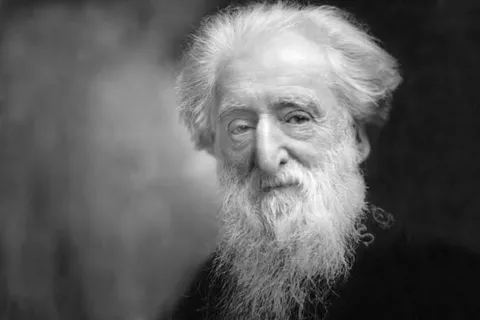 General William Booth’s early life
William Booth was born in Nottingham in 1829 of well-bred parents who had become poor. He was a lively lad nicknamed Wilful Wil. At the age of fifteen he was converted in the Methodist chapel and became the leader of a band of teenage evangelists who called him Captain and held street meetings with remarkable success.
In 1851 he began full-time Christian work among the Methodist Reformers in London and later in Lincolnshire. After a period in a theological college he became a minister of the Methodist New Connexion. His heart however was with the poor people unreached by his church, and in 1861 he left the Methodists to give himself freely to the work of evangelism. Joined by Catherine, his devoted wife, they saw their ministry break out into real revival, which in Cornwall spread far and wide.
One memorable day in July 1865, after exploring the streets in an East End district where he was to conduct a mission, the terrible poverty, vice and degradation of these needy people struck home to his heart. He arrived at his Hammersmith home just before midnight and greeted his waiting Catherine with these words: “Darling, I have found my destiny!” She understood him. Together they had ministered God’s grace to God’s poor in many places.
Now they were to spend their lives bringing deliverance to Satan”s captives in the evil jungle of London”s slums. One day William took Bramwell, his son, into an East End pub which was crammed full of dirty, intoxicated creatures. Seeing the appalled look on his son”s face, he said gently, “Bramwell, these are our people—the people I want you to live for.”
William and Catherine loved each other passionately all their lives. And no less passionately did they love their Lord together. Now, although penniless, together with their dedicated children, they moved out in great faith to bring Christ”s abundant life to London”s poverty-stricken, devil-oppressed millions.
At first their organisation was called the Christian Mission. In spite of brutal opposition and much cruel hardship, the Lord blessed this work, and it spread rapidly.
William Booth was the dynamic leader who called young men and women to join him in this full-time crusade. With enthusiastic abandon, hundreds gave up all to follow him.
“Make your will, pack your box, kiss your girl and be ready in a week”, he told one young volunteer.
Salvation Army born
One day as William was dictating a report on the work to George Railton, his secretary, he said, “We are a volunteer army,”
“No”, said Bramwell, “I am a regular or nothing.”
His father stopped in his stride, bent over Railton, took the pen from his hand, and crossing out the word “volunteer”, wrote “salvation”. The two young men stared at the phrase “a salvation army”, then both exclaimed “Hallelujah”. So the Salvation Army was born.
As these dedicated, Spirit-filled soldiers of the cross flung themselves into the battle against evil under their blood and fire banner, amazing miracles of deliverance occurred. Alcoholics, prostitutes and criminals were set free and changed into workaday saints.
Cecil Rhodes once visited the Salvation Army farm colony for men at Hadleigh, Essex, and asked after a notorious criminal who had been converted and rehabilitated there.
“Oh”, was the answer, “He has left the colony and has had a regular job outside now for twelve months.”
“Well” said Rhodes in astonishment, “if you have kept that man working for a year, I will believe in miracles.”
Slave traffic
The power that changed and delivered was the power of the Holy Spirit. Bramwell Booth in his book Echoes and Memories describes how this power operated, especially after whole nights of prayer. Persons hostile to the Army would come under deep conviction and fall prostrate to the ground, afterward to rise penitent, forgiven and changed. Healings often occurred and all the gifts of the Spirit were manifested as the Lord operated through His revived Body under William Booth’s leadership.
Terrible evils lay hidden under the curtain of Victorian social life in the nineteenth century. The Salvation Army unmasked and fought them. Its work among prostitutes soon revealed the appalling wickedness of the white slave traffic, in which girls of thirteen were sold by their parents to the pimps who used them in their profitable brothels, or who traded them on the Continent.
“Thousands of innocent girls, most of them under sixteen, were shipped as regularly as cattle to the state-regulated brothels of Brussels and Antwerp.” (Collier).
Imprisoned
In order to expose this vile trade, W. T. Stead (editor of The Pall Mall Gazette) and Bramwell Booth plotted to buy such a child in order to shock the Victorians into facing the fact of this hidden moral cancer in their society. This thirteen-year-old girl, Eliza Armstrong, was bought from her mother for £5 and placed in the care of Salvationists in France.
W. T. Stead told the story in a series of explosive articles in The Pall Mall Gazette which raised such a furore that Parliament passed a law raising the age of consent from thirteen to sixteen. However, Booth and Stead were prosecuted for abduction, and Stead was imprisoned for three months.
William Booth always believed the essential cause of social evil and suffering was sin, and that salvation from sin was its essential cure. But as his work progressed, he became increasingly convinced that social redemption and reform should be an integral part of Christian mission.
So at the age of sixty he startled England with the publication of the massive volume entitled In Darkest England, and the Way Out. It was packed with facts and statistics concerning Britain’s submerged corruption, and proved that a large proportion of her population was homeless, destitute and starving. It also outlined Booth’s answer to the problem — his own attempt to begin to build the welfare state.
All this was the result of two years” laborious research by many people, including the loyal W. T. Stead. On the day the volume was finished and ready for publication, Stead was conning its final pages in the home of the Booths. At last he said, “That work will echo round the world. I rejoice with an exceeding great joy.”
“And I”, whispered Catherine, dying of cancer in a corner of the room, “And I most of all thank God. Thank God!” As the work of the Salvation Army spread throughout Britain and into many countries overseas, it met with brutal hostility. In many places Skeleton Armies were organised to sabotage this work of God. Hundreds of officers were attacked and injured (some for life). Halls and offices were smashed and fired. Meetings were broken up by gangs organised by brothel keepers and hostile publicans.
One sympathiser in Worthing defended his life and property with a revolver. But Booth’s soldiers endured the persecution for many years, often winning over their opponents by their own offensive of Christian love.
The Army that William Booth created under God was an extension of his own dedicated personality. It expressed his own resolve in his words which Collier places on the first page of his book:
“While women weep as they do now, I’ll fight; while little children go hungry as they do now, I’ll fight; while men go to prison, in and out, in and out, as they do now, I’ll fight—I’ll fight to the very end!”
Toward the end of his life, he became blind. When he heard the doctor’s verdict that he would never see again, he said to his son: “Bramwell, I have done what I could for God and the people with my eyes. Now I shall see what I can do for God and the people without my eyes.”
But the old warrior had finally laid down his sword. His daughter, Eva, head of the Army’s work in America, came home to say her last farewell. Standing at the window she described to her father the glory of that evening’s sunset.
“I cannot see it,” said the General, “but I shall see the dawn.”
General William Booth’s early life
William Booth was born in Nottingham in 1829 of well-bred parents who had become poor. He was a lively lad nicknamed Wilful Wil. At the age of fifteen he was converted in the Methodist chapel and became the leader of a band of teenage evangelists who called him Captain and held street meetings with remarkable success.
In 1851 he began full-time Christian work among the Methodist Reformers in London and later in Lincolnshire. After a period in a theological college he became a minister of the Methodist New Connexion. His heart however was with the poor people unreached by his church, and in 1861 he left the Methodists to give himself freely to the work of evangelism. Joined by Catherine, his devoted wife, they saw their ministry break out into real revival, which in Cornwall spread far and wide.
One memorable day in July 1865, after exploring the streets in an East End district where he was to conduct a mission, the terrible poverty, vice and degradation of these needy people struck home to his heart. He arrived at his Hammersmith home just before midnight and greeted his waiting Catherine with these words: “Darling, I have found my destiny!” She understood him. Together they had ministered God’s grace to God’s poor in many places.
Now they were to spend their lives bringing deliverance to Satan”s captives in the evil jungle of London”s slums. One day William took Bramwell, his son, into an East End pub which was crammed full of dirty, intoxicated creatures. Seeing the appalled look on his son”s face, he said gently, “Bramwell, these are our people—the people I want you to live for.”
William and Catherine loved each other passionately all their lives. And no less passionately did they love their Lord together. Now, although penniless, together with their dedicated children, they moved out in great faith to bring Christ”s abundant life to London”s poverty-stricken, devil-oppressed millions.
At first their organisation was called the Christian Mission. In spite of brutal opposition and much cruel hardship, the Lord blessed this work, and it spread rapidly.
William Booth was the dynamic leader who called young men and women to join him in this full-time crusade. With enthusiastic abandon, hundreds gave up all to follow him.
“Make your will, pack your box, kiss your girl and be ready in a week”, he told one young volunteer.
Salvation Army born
One day as William was dictating a report on the work to George Railton, his secretary, he said, “We are a volunteer army,”
“No”, said Bramwell, “I am a regular or nothing.”
His father stopped in his stride, bent over Railton, took the pen from his hand, and crossing out the word “volunteer”, wrote “salvation”. The two young men stared at the phrase “a salvation army”, then both exclaimed “Hallelujah”. So the Salvation Army was born.
As these dedicated, Spirit-filled soldiers of the cross flung themselves into the battle against evil under their blood and fire banner, amazing miracles of deliverance occurred. Alcoholics, prostitutes and criminals were set free and changed into workaday saints.
Cecil Rhodes once visited the Salvation Army farm colony for men at Hadleigh, Essex, and asked after a notorious criminal who had been converted and rehabilitated there.
“Oh”, was the answer, “He has left the colony and has had a regular job outside now for twelve months.”
“Well” said Rhodes in astonishment, “if you have kept that man working for a year, I will believe in miracles.”
Slave traffic
The power that changed and delivered was the power of the Holy Spirit. Bramwell Booth in his book Echoes and Memories describes how this power operated, especially after whole nights of prayer. Persons hostile to the Army would come under deep conviction and fall prostrate to the ground, afterward to rise penitent, forgiven and changed. Healings often occurred and all the gifts of the Spirit were manifested as the Lord operated through His revived Body under William Booth’s leadership.
Terrible evils lay hidden under the curtain of Victorian social life in the nineteenth century. The Salvation Army unmasked and fought them. Its work among prostitutes soon revealed the appalling wickedness of the white slave traffic, in which girls of thirteen were sold by their parents to the pimps who used them in their profitable brothels, or who traded them on the Continent.
“Thousands of innocent girls, most of them under sixteen, were shipped as regularly as cattle to the state-regulated brothels of Brussels and Antwerp.” (Collier).
Imprisoned
In order to expose this vile trade, W. T. Stead (editor of The Pall Mall Gazette) and Bramwell Booth plotted to buy such a child in order to shock the Victorians into facing the fact of this hidden moral cancer in their society. This thirteen-year-old girl, Eliza Armstrong, was bought from her mother for £5 and placed in the care of Salvationists in France.
W. T. Stead told the story in a series of explosive articles in The Pall Mall Gazette which raised such a furore that Parliament passed a law raising the age of consent from thirteen to sixteen. However, Booth and Stead were prosecuted for abduction, and Stead was imprisoned for three months.
William Booth always believed the essential cause of social evil and suffering was sin, and that salvation from sin was its essential cure. But as his work progressed, he became increasingly convinced that social redemption and reform should be an integral part of Christian mission.
So at the age of sixty he startled England with the publication of the massive volume entitled In Darkest England, and the Way Out. It was packed with facts and statistics concerning Britain’s submerged corruption, and proved that a large proportion of her population was homeless, destitute and starving. It also outlined Booth’s answer to the problem — his own attempt to begin to build the welfare state.
All this was the result of two years” laborious research by many people, including the loyal W. T. Stead. On the day the volume was finished and ready for publication, Stead was conning its final pages in the home of the Booths. At last he said, “That work will echo round the world. I rejoice with an exceeding great joy.”
“And I”, whispered Catherine, dying of cancer in a corner of the room, “And I most of all thank God. Thank God!” As the work of the Salvation Army spread throughout Britain and into many countries overseas, it met with brutal hostility. In many places Skeleton Armies were organised to sabotage this work of God. Hundreds of officers were attacked and injured (some for life). Halls and offices were smashed and fired. Meetings were broken up by gangs organised by brothel keepers and hostile publicans.
One sympathiser in Worthing defended his life and property with a revolver. But Booth’s soldiers endured the persecution for many years, often winning over their opponents by their own offensive of Christian love.
The Army that William Booth created under God was an extension of his own dedicated personality. It expressed his own resolve in his words which Collier places on the first page of his book:
“While women weep as they do now, I’ll fight; while little children go hungry as they do now, I’ll fight; while men go to prison, in and out, in and out, as they do now, I’ll fight—I’ll fight to the very end!”
Toward the end of his life, he became blind. When he heard the doctor’s verdict that he would never see again, he said to his son: “Bramwell, I have done what I could for God and the people with my eyes. Now I shall see what I can do for God and the people without my eyes.”
But the old warrior had finally laid down his sword. His daughter, Eva, head of the Army’s work in America, came home to say her last farewell. Standing at the window she described to her father the glory of that evening’s sunset.
“I cannot see it,” said the General, “but I shall see the dawn.”
the mouth of a godly man
What if men in the church are more immature and less equipped because we’ve been expecting too little of them? What if we have simply failed to call them to more than sexual purity online and basic spiritual disciplines? I want to be a part of raising up men who, instead of merely avoiding this or that sin, become a force for good — better, a force for God . And I want to be that kind of man, the kind of man my son should imitate. When the apostle Paul wrote to a younger man, casting vision for what he might become in Christ, he charged him, “Let no one despise you for your youth, but set the believers an example in speech, in conduct, in love, in faith, in purity” (1 Timothy 4:12). In a previous article, I began recovering this simple but challenging framework as a paradigm for becoming a man of God. In this article, I want to narrow in on speech . What does it mean, more practically, to set an example in what a man says (or doesn’t say)? What about our words sets us apart from other men? Words really do matter. Jesus himself says, “I tell you, on the day of judgment people will give account for every careless word they speak, for by your words you will be justified, and by your words you will be condemned” (Matthew 12:36–37). Every careless word . Men of God learn to trade careless words for thoughtful ones. While many today speak, text, and tweet whatever they think or feel without a second thought, these men weigh the serious weight of what they say. They speak as if God is listening, because he is. And they know that what they say reveals who they are (Luke 6:45). They tremble over the consequences of sentences. They work to make their words a deeper and fuller well of grace. Seven Lessons for What We Say Wanting to set an example with our speech, what kind of example should we set? What does a man of God sound like in the wild? The letters of Paul say a great deal about what we say, distilled below into seven lessons (a list that is by no means comprehensive). Before we get into the seven, though, one verse in particular might serve as a worthy banner over the rest: Let your speech always be gracious, seasoned with salt, so that you may know how you ought to answer each person. (Colossians 4:6) If we want to set a good example in our speech, we should strive for our words to be a grace to others. Do our words consistently and effectively minister the grace of God to those who hear? Do they lead them to see and savor more of God? “Let no corrupting talk come out of your mouths,” Paul says elsewhere, “but only such as is good for building up, as fits the occasion, that it may give grace to those who hear ” (Ephesians 4:29). To fill out that graciousness, though, Paul gives us a number of specific principles for guarding our mouths and serving others in all we say. 1. Tell the truth about God. The first and most important lesson for our speech, especially in the context of Paul’s two letters to Timothy, is that we speak what is true about God and his word. The clear and immediate context of 1 Timothy 4:12 is teaching : Command and teach these things . Let no one despise you for your youth, but set the believers an example in speech, in conduct, in love, in faith, in purity. Until I come, devote yourself to the public reading of Scripture, to exhortation, to teaching . (1 Timothy 4:11–13; see also Titus 2:7) Paul was writing to a young pastor, but this is not a word only for pastors (or aspiring pastors). Every man of God should aspire to know and teach what is true about God. What you believe and say about God is one of the most important things about you. Men who speak well in the world are men who first listen well to God in his word. “Men who speak well in the world are men who first listen well to God in his word.” Strive to know him as thoroughly and deeply as you can — to meditate on his law day and night (Psalm 1:1–2) — and to bear a faithful witness to others of who he really is. Day after day, arm yourself with “the sword of the Spirit, which is the word of God” (Ephesians 6:17). Prepare yourself to “make a defense to anyone who asks you for a reason for the hope that is in you” (1 Peter 3:15). And then boldly tell others what God has revealed to you. 2. Tell the truth about everything. Telling the truth about God, however, ultimately means telling the truth about everything . Christian men are honest men — men of unquestionable integrity. That emphatically does not mean they are always right, but they are manifestly committed to being true . Having put away falsehood, let each one of you speak the truth with his neighbor, for we are members one of another. (Ephesians 4:25; see also Colossians 3:9) Men of God do not fabricate or repeat lies, and they do not hide or obscure the truth. They take responsibility and accept the consequences, even when it costs them much. And being honest will cost us much. Typically, we lie to protect or serve ourselves (even if it’s serving ourselves by making someone else happy). Godly men know that honesty, however painful and costly in the moment, honors Christ and loves others. They know that peace and pleasure built on deceit are really treachery. They also know, and have tasted personally, the durable peace and pleasure of Spirit-filled integrity. 3. Build others up with your words. One thread in Paul’s letters proves to be an especially useful test for our speech: Do I use my words to build others up? The apostle writes, Speaking the truth in love , we are to grow up in every way into him who is the head, into Christ, from whom the whole body, joined and held together by every joint with which it is equipped, when each part is working properly, makes the body grow so that it builds itself up in love . (Ephesians 4:15–16; see also 4:12) As you think about your conversations over the last week, do you see a pattern of building other believers up? Consider not just the absence of tearing others down — anger, cynicism, gossip, impatience, slander, and so on — but the presence of encouragement. And not just nice compliments, but real encouragement — words that build others’ faith and joy in God (Philippians 1:25). Building is hard work, and so building language is not always comfortable or easy to hear, but it is always constructive and hopeful. So, “strive to excel in building up the church” (1 Corinthians 14:12), especially in what you say. 4. Avoid all foolishness and filthiness. If we do not make a habit of building others up with our words, we may fall into tearing them down — discouraging, wounding, even corrupting them. Again, Ephesians 4:29: “ Let no corrupting talk come out of your mouths , but only such as is good for building up, as fits the occasion, that it may give grace to those who hear.” Some words build up, and others corrupt. So what kind of language corrupts? Paul gives the same charge in greater detail in Colossians 3:8: “Now you must put them all away: anger, wrath, malice, slander, and obscene talk from your mouth.” And in Ephesians 5:4: “Let there be no filthiness nor foolish talk nor crude joking, which are out of place.” Social media is overrun — like that overgrown, weed-infested yard down the street — with these word sins. If we live online long enough, our senses will be dulled and corruption will begin to feel normal, acceptable, even justified. It is not normal, and it does not please God. Setting a godly example in speech often begins with refusing to indulge these temptations — to cut out words that gratify our flesh at the expense of someone else. 5. Be unusually thankful. Setting an example begins with emptying our speech of corruption, and the best way to force corruption out is to fill our speech with something else. “Let there be no filthiness nor foolish talk nor crude joking, which are out of place, but instead let there be thanksgiving ” (Ephesians 5:4). Do you want your words to radiate grace? Thank God often, and out loud, for everything. Make sure that everyone in your life knows that everything you have is a gift of God (James 1:17). Strive to be unusually, stubbornly, even a little socially awkwardly thankful (Colossians 2:7). How often do you meet someone who sounds like this? “Be filled with the Spirit, addressing one another in psalms and hymns and spiritual songs, singing and making melody to the Lord with your heart, giving thanks always and for everything to God the Father in the name of our Lord Jesus Christ” (Ephesians 5:18–20). How often have you tried to discipline your own mouth into grace-giving, joy-stirring streams like these? How much more often, like me, have you fallen out of thanksgiving into grumbling? “Sometimes faithfulness sounds like silence.” “Do all things without grumbling or disputing,” Paul says elsewhere, “that you may be blameless and innocent, children of God without blemish in the midst of a crooked and twisted generation, among whom you shine as lights in the world ” (Philippians 2:14–15). This light shines in what we say (or don’t). Ask God to make you radiantly thankful. 6. Correct with gentleness. Men of God committed to building others up do not always affirm and applaud. They know that building requires vigilance and regular correction, that mistakes along the way can have devastating consequences later on. So, as we build the church, we can’t afford to allow sins, errors, and blind spots to go unchecked and unconfronted. To honor God in our speech, men of God must correct one another. And it is just as important how we correct one another. “Brothers, if anyone is caught in any transgression, you who are spiritual should restore him in a spirit of gentleness ” (Galatians 6:1). “The Lord’s servant . . . [corrects] his opponents with gentleness ” (2 Timothy 2:24–25). He could use his strength, like many other men, to be forceful, harsh, even brutal, but he chooses, instead, to be gentle — even when he has been sinned against. Instead of using his strength to overpower others, he uses his strength to restrain himself in love. He still confronts sin, but he does so with surprising patience and kindness. He knows that “a gentle tongue is a tree of life” (Proverbs 15:4). Part of pursuing godliness in speech and correcting with gentleness is being committed to making peace. “I appeal to you, brothers, by the name of our Lord Jesus Christ, that all of you agree, and that there be no divisions among you, but that you be united in the same mind and the same judgment” (1 Corinthians 1:10; see also Titus 3:2). “Blessed are the peacemakers,” Jesus promises, “for they shall be called sons of God” (Matthew 5:9). In the midst of correction and conflict, even when we have to say a hard word, we should be fighting for peace — not a cheap or superficial peace, but a deep, healthy, enduring peace in the Lord. 7. Leave behind boasting in self. Another dominant thread in the apostle’s letters seems to be all the more relevant today: Those captured by grace leave behind all boasting in self. “God chose what is low and despised in the world . . . so that no human being might boast in the presence of God” (1 Corinthians 1:28–29). Men of God are known for building others up, and for being surprisingly quiet about their own abilities, achievements, and ministry. Good men don’t go around reminding people of how good they are. They live by the proverb, “Let another praise you, and not your own mouth” (Proverbs 27:2). Again, in our day, social media factors in significantly here. A social media profile gives us an opportunity to present ourselves however we want. And painfully few of us, when given the choice, show the world who we really are. We choose to highlight what we think makes us look good. We selectively post and comment based on what reflects well on us. In that way, social media easily becomes an education in self-boasting. We learn, through trial and error (and lots and lots of scrolling), what will win affirmation ( like ) and admiration ( follow ). “Let the one who boasts, boast in the Lord” (1 Corinthians 1:31; 2 Corinthians 10:17). Humble, faithful, joy-filled speech boasts less and less in self and more and more in God. Lord, Guard Our Mouths One lesson weaves in and out of the points above that’s worth calling out on its own. Godly men not only know what to say at certain times and in certain situations, but they also know when to say less, or nothing at all. Sometimes faithfulness sounds like silence. As Paul’s fellow apostle James writes, “Know this, my beloved brothers: let every person be quick to hear, slow to speak , slow to anger” (James 1:19). Men who speak well are consistently slow to speak, especially in situations where most people would rush to say something. What makes a wise man slow to speak? He knows the amazing power of his words, for better or for worse. “How great a forest is set ablaze by such a small fire! And the tongue is a fire, a world of unrighteousness” (James 3:5–6). The wise feel the palpable danger in what they might say. They know how subtly sin creeps in and sets everything (and everyone) on fire. “When words are many, transgression is not lacking, but whoever restrains his lips is prudent” (Proverbs 10:19). Prudence makes friends with self-control, patience, and wise silence. Slowness to speak, however, does not make our speech godly. Yes, we resist saying too much too soon, but we also fill our mouths with words of grace — with honesty, with encouragement, with thankfulness, with whatever will build others up. We set a positive, proactive, gracious example, always asking God to watch over all we say. Set a guard, O Lord, over my mouth; keep watch over the door of my lips! (Psalm 141:3)

-480.webp)