
Others like it's your time Features >>








About the Book
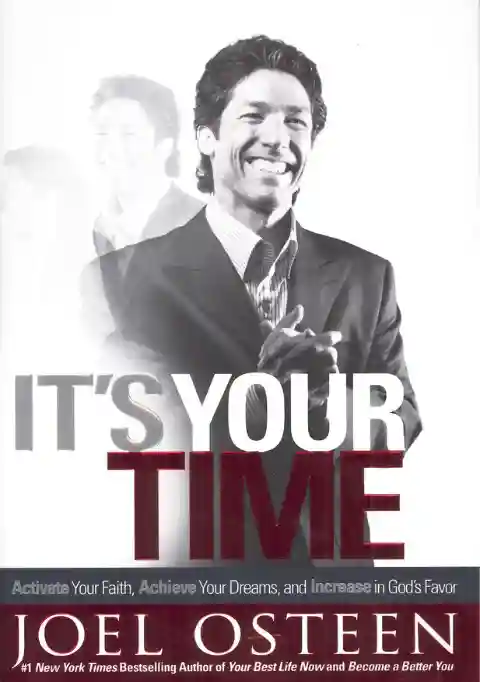
"It's Your Time" by Joel Osteen is a motivational and inspirational book that encourages readers to seize the opportunities in their lives and live out their full potential. Osteen shares personal anecdotes and biblical teachings to help readers overcome obstacles and pursue their dreams with faith and confidence. The book serves as a guide for readers to discover their purpose and live a fulfilling life.
John G. Lake
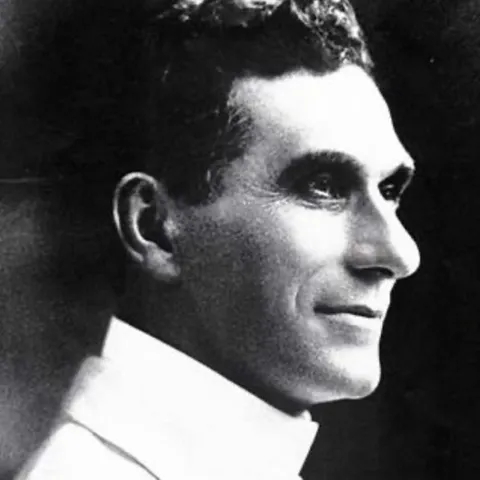 John G. Lake was born in Ontario, Canada on March 18th, 1870. He was a family man, person of integrity, honor, a savvy businessman and a good father. If you knew him you wouldn’t otherwise know that he would soon become one of the greatest men of God the world would ever know. He had a genuine love for the Lord Jesus and was known by his friends as a man who dedicated himself to intimacy with The Lord. It was out of this place that he loved his wife, was a man of integrity and built a very successful business career. To give you perspective, by 1905 John G Lake was making $50,000 per year this sum would be like upwards of 1.3 million dollars per year annually today. John grew up in a family environment which was plagued with sickness and death, it is said that his earliest memories were of sickness, death and funerals. Lake was from a large family, he had 16 siblings, 8 of which tragically died of various diseases. It is no coincidence that “the man of healing” was tormented from a young age with death and disease. The enemy will often oppose destinies with radical circumstances through a distortion of the very thing that we are called to walk in. Lake Was exposed to dramatic healing when he visited John Alexander Dowie’s ministry and was, in prayer, instantly healed of a rheumatism which had caused his legs to grow incorrectly. Just two short years into their marriage, Jennie Lake was diagnosed with tuberculosis and heart disease. Over the next couple of years, the condition worsened and the doctors resigned to the fact that it was only a matter of time before she would die. John allowed this situation to provoke him into faith, after being exposed to such death and disease from a young age he had a hatred for such things. When he would read the word of God he saw that his Christian experience was less than the promised “power of the Holy Spirit”. As Jennie was on her deathbed and perhaps taking her final breaths Lake was overcome with anger over sickness and threw his bible against the fireplace mantle! When he went to pick up his bible it was opened to Acts chapter 10:38 which says: "God anointed Jesus of Nazareth with the Holy Ghost and with power: who went about doing good, and healing all that were oppressed of the devil; for God was with him.” Lake had a surge of faith in that moment and sent a telegram to Dowie asking him to pray. Within an hour of Dowie praying she was fully healed! Not long after Jennie was healed, God began to speak to Lake about going into full time ministry. After some time of contemplation and seeking the Lord, God confirmed to John and Jennie separately that they were to move to South Africa to begin their life of ministry. John and Jennie then gave away all that they had, John forsook his mega-salary and they went on their way alongside some of their friends as ministry partners.
When they arrived in South Africa, they had no money. The problem was, that they needed at least $125 in order to clear customs. they nervously waited for their turn in line, rehearsing what they would say to the immigration officer They were in desperate need of a miracle, as the law read that they would be subject to deportation as quickly as they arrived in South Africa. Just as they were about the get to the front of the line, John felt a tap on his shoulder… A man was standing behind John and said “excuse me sir, can I have a word with you?” John nervously steps out of line at the man’s request and the man said “when I saw you and your family in line, the Lord told me to give you $200 cash”. The Lord provided just enough money for John and his family to enter the country. But their needs didn’t stop there. The Lakes and their crew had no ministry contact in Johannesburg. Soon after they cleared customs, a woman approached John’s friends and asked how many people are in their family, when they told her, she responded “no, not you” and went over to John and asked the same question. John replied “9” and she said “you’re the ones!” She went on to tell John that the Lord had spoken to her last night that she was to give her home to a family of 9 people who are coming from America to do God’s work. John, Jennie and their crew rejoiced in the dramatic provision of the Lord. Their time in South Africa was marked with waves of revival, there were multitudes saved, healed and delivered over the course of their 5 year ministry tour in South Africa.
By far my favorite story from this season of Revival takes place shortly after the Lake family and their team arrived in South Africa. A mighty plague was sweeping through the nation, the death count was climbing dramatically. So much so that there was a surplus of corpses who were victims of the plague and there was no one to bury the dead; if someone was to come in contact with a dead body they would most certainly become infected and their death sentence would immediately begin. John G. Lake astounded the medical officials because he, without any gloves or protective clothing began burying the dead. Physicians in a panic approached John and rebuked him for coming in contact with the dead, John boldly responded "when the disease comes in contact with my skin, you can watch it die". The doctors thought he was insane, so he challenged them to put a drop of the plague on his skin and watch it under a microscope. When they did so, John was right! The plague cells literally burned up the second they came in contact with his skin!
It is tough to understand what would happen towards the end of the Lake’s missionary journey in Africa. One day while John was away on a ministry trip, his wife Jennie suddenly passed away. The cause of her death was malnutrition and exhaustion. It wasn’t uncommon for the sick and broken to line the lawn of John G Lake’s home and Jennie, as an act of sacrifice, gave away all their food and any resources she could to the broken which frequented their house.
Although John and Jennie’s faith and sacrifice is commendable we must learn from this fatal mistake. John’s priorities clearly became altered as the demand for ministry raged on. He failed to guard and keep the very precious gift that God had given him, he allowed the demands of ministry to distract him from the needs of his family unto the tragic and preventable death of his wife. In the wake of Jennie’s death their children became bitter with John and subsequently God. Some of his children left the faith and the most recent accounts of them suggest that they died not following Christ. To this day some of John’s great grandchildren do not follow the Lord. John’s failure to obey the basic command of scripture for “husbands to love their wives as Christ loves the church” and his preoccupation with the demands of ministry opened up the door for the enemy to ravage his family. After Jennie’s death John moved back to the United States and remarried. He would then pioneer his famous healing ministry based out of Spokane Washington. Unfortunately John did not learn his lesson the first time, in the midst of more flames of revival he continued to be a poor father, emotionally disconnected from his children.
John G. Lake was born in Ontario, Canada on March 18th, 1870. He was a family man, person of integrity, honor, a savvy businessman and a good father. If you knew him you wouldn’t otherwise know that he would soon become one of the greatest men of God the world would ever know. He had a genuine love for the Lord Jesus and was known by his friends as a man who dedicated himself to intimacy with The Lord. It was out of this place that he loved his wife, was a man of integrity and built a very successful business career. To give you perspective, by 1905 John G Lake was making $50,000 per year this sum would be like upwards of 1.3 million dollars per year annually today. John grew up in a family environment which was plagued with sickness and death, it is said that his earliest memories were of sickness, death and funerals. Lake was from a large family, he had 16 siblings, 8 of which tragically died of various diseases. It is no coincidence that “the man of healing” was tormented from a young age with death and disease. The enemy will often oppose destinies with radical circumstances through a distortion of the very thing that we are called to walk in. Lake Was exposed to dramatic healing when he visited John Alexander Dowie’s ministry and was, in prayer, instantly healed of a rheumatism which had caused his legs to grow incorrectly. Just two short years into their marriage, Jennie Lake was diagnosed with tuberculosis and heart disease. Over the next couple of years, the condition worsened and the doctors resigned to the fact that it was only a matter of time before she would die. John allowed this situation to provoke him into faith, after being exposed to such death and disease from a young age he had a hatred for such things. When he would read the word of God he saw that his Christian experience was less than the promised “power of the Holy Spirit”. As Jennie was on her deathbed and perhaps taking her final breaths Lake was overcome with anger over sickness and threw his bible against the fireplace mantle! When he went to pick up his bible it was opened to Acts chapter 10:38 which says: "God anointed Jesus of Nazareth with the Holy Ghost and with power: who went about doing good, and healing all that were oppressed of the devil; for God was with him.” Lake had a surge of faith in that moment and sent a telegram to Dowie asking him to pray. Within an hour of Dowie praying she was fully healed! Not long after Jennie was healed, God began to speak to Lake about going into full time ministry. After some time of contemplation and seeking the Lord, God confirmed to John and Jennie separately that they were to move to South Africa to begin their life of ministry. John and Jennie then gave away all that they had, John forsook his mega-salary and they went on their way alongside some of their friends as ministry partners.
When they arrived in South Africa, they had no money. The problem was, that they needed at least $125 in order to clear customs. they nervously waited for their turn in line, rehearsing what they would say to the immigration officer They were in desperate need of a miracle, as the law read that they would be subject to deportation as quickly as they arrived in South Africa. Just as they were about the get to the front of the line, John felt a tap on his shoulder… A man was standing behind John and said “excuse me sir, can I have a word with you?” John nervously steps out of line at the man’s request and the man said “when I saw you and your family in line, the Lord told me to give you $200 cash”. The Lord provided just enough money for John and his family to enter the country. But their needs didn’t stop there. The Lakes and their crew had no ministry contact in Johannesburg. Soon after they cleared customs, a woman approached John’s friends and asked how many people are in their family, when they told her, she responded “no, not you” and went over to John and asked the same question. John replied “9” and she said “you’re the ones!” She went on to tell John that the Lord had spoken to her last night that she was to give her home to a family of 9 people who are coming from America to do God’s work. John, Jennie and their crew rejoiced in the dramatic provision of the Lord. Their time in South Africa was marked with waves of revival, there were multitudes saved, healed and delivered over the course of their 5 year ministry tour in South Africa.
By far my favorite story from this season of Revival takes place shortly after the Lake family and their team arrived in South Africa. A mighty plague was sweeping through the nation, the death count was climbing dramatically. So much so that there was a surplus of corpses who were victims of the plague and there was no one to bury the dead; if someone was to come in contact with a dead body they would most certainly become infected and their death sentence would immediately begin. John G. Lake astounded the medical officials because he, without any gloves or protective clothing began burying the dead. Physicians in a panic approached John and rebuked him for coming in contact with the dead, John boldly responded "when the disease comes in contact with my skin, you can watch it die". The doctors thought he was insane, so he challenged them to put a drop of the plague on his skin and watch it under a microscope. When they did so, John was right! The plague cells literally burned up the second they came in contact with his skin!
It is tough to understand what would happen towards the end of the Lake’s missionary journey in Africa. One day while John was away on a ministry trip, his wife Jennie suddenly passed away. The cause of her death was malnutrition and exhaustion. It wasn’t uncommon for the sick and broken to line the lawn of John G Lake’s home and Jennie, as an act of sacrifice, gave away all their food and any resources she could to the broken which frequented their house.
Although John and Jennie’s faith and sacrifice is commendable we must learn from this fatal mistake. John’s priorities clearly became altered as the demand for ministry raged on. He failed to guard and keep the very precious gift that God had given him, he allowed the demands of ministry to distract him from the needs of his family unto the tragic and preventable death of his wife. In the wake of Jennie’s death their children became bitter with John and subsequently God. Some of his children left the faith and the most recent accounts of them suggest that they died not following Christ. To this day some of John’s great grandchildren do not follow the Lord. John’s failure to obey the basic command of scripture for “husbands to love their wives as Christ loves the church” and his preoccupation with the demands of ministry opened up the door for the enemy to ravage his family. After Jennie’s death John moved back to the United States and remarried. He would then pioneer his famous healing ministry based out of Spokane Washington. Unfortunately John did not learn his lesson the first time, in the midst of more flames of revival he continued to be a poor father, emotionally disconnected from his children.
disowned for jesus - what i lost and found in christ
When I left Islam to follow Jesus, I didn’t know what it would cost me. I hadn’t realized what it would take to deny myself, lay my life down, and take up my cross (Matthew 16:24). I wasn’t aware that even the precious relationships of my family should not come between me and following Christ — that I should even hate my family compared to my love for Jesus (Luke 14:26). But God taught me that if I do take up my cross and lay down my life, then I’ll find my life. Over time, I have come to experience this truth. My life of following Jesus has not been the life I envisioned for myself, but it has become the life I want: a life used for the glory of God as I grow in the knowledge of Christ and make him known to others. That’s what I discovered when I was forced to choose between Jesus and my father. From Iran to Texas I was born in Houston and grew up in a devout Muslim home. My dad was very involved in the Iranian Muslim community. Growing up, I was taught the five pillars of Islam and that if I did them to the best of my ability, then maybe I’d get to heaven. When I was two years old, my family moved to Iran, where my parents are from. But at age six, the Islamic Revolution of the late ’70s hit that country. My father, who was a doctor, had the means to get us out of the country, so our family moved back to Houston. I spoke Farsi, not English, and so God, in his incredible plan, provided a Christian lady who tutored me, teaching me the English language every day by reading books to me. In the second grade, she said to me, “Afshin, I want to give you the most important book that you’ll ever read in life.” As she handed me a small New Testament, she told me that I would not completely understand it now, but asked me to promise to hold onto it until I was older. She gave me that Bible during the Iran hostage crisis, a time during which my family and other Iranians in America were ostracized and hated by many. This lady, however, earned the right to be heard by the way that she loved me, showed me the love of Christ, and poured her life into me. Because the Bible came from her, I believed it was important, and held onto that New Testament. She had planted a seed in my life in the second grade that wouldn’t come to fruition until ten years later. Leaving Islam As a senior in high school, I used the Lord’s name in vain while playing basketball. A guy on the court walked up to me and said, “Hey, that Jesus whose name you just said — he’s my God.” As a Muslim, I’d been taught that Jesus was a prophet, so I thought the guy was nuts. A few days later, while watching TV, I stumbled onto a historical documentary on the life of Jesus, where I heard, “Some worship Jesus as God, and they’re called Christians.” My mind went back to the words of the guy on the basketball court, and the Lord reminded me of the Bible that I’d received ten years earlier. That afternoon, I found that small New Testament at the bottom of my closet and began to read in Matthew. Every day, I’d read under the covers in my bed with a flashlight so that my parents wouldn’t walk in and see what I was doing. Meanwhile, at my high school, a Christian student sat across the table from me at lunch and told me about Jesus. I’d debate against him each day, and then at night I’d go home to read more about his Jesus. One day, I got to the book of Romans, and the third chapter completely changed my life. I read about a righteousness that comes apart from the law, apart from what I do for God. I read that this righteousness comes as a gift to be received by faith. I was struck by Romans 3:22, which says that this righteousness comes to all who believe. I thought I was born a Muslim and would always be a Muslim, but that verse said that this righteousness was for anyone who believes, of any ethnicity. A couple weeks later, a guy invited me to an evangelistic crusade (always an interesting word for a Muslim!), where I heard the gospel proclaimed and came to faith in Christ. As an aside: I’m often asked what form of evangelism I believe to be most effective. God used evangelism in a variety of forms in my life. He used a teacher loving and tutoring a kid, a guy sharing one-on-one in a cafeteria, a guy speaking up for the name of Christ on a basketball court, an invitation to an evangelistic event, and the preaching of the gospel in a corporate setting. I believe in each of these forms of evangelism because God used each one of them in my own life. Disowned I made my commitment to Christ public at that evangelistic crusade, but driving home from the event is when it hit me: “What am I going to tell my family? What am I going to tell my father?” My father had always been the most important person in my life, the guy I’d always looked up to. I’m ashamed to say that I decided to hide my newfound faith from him and the rest of my family. I would sneak out to go to church, intercept mail from the church I was attending, and hide my Bible. Finally, one day my dad found out. He’d seen my Bible, and he’d also seen other evidences in my life. He sat me down and said, “Son, what’s going on? There’s something different about you.” I said, “Dad, I’m a Christian.” He said, “No, you’re not, young man. you’re a Muslim and you’ll always be a Muslim.” I said, “Dad, the Bible says that if I trust in Christ alone for my salvation, then I’m a Christian — and I do.” My dad said, “Afshin, if you’re going to be a Christian, then you can no longer be my son.” Everything in my flesh wanted to say, “Forget it. I’ll be a Muslim.” I didn’t want to lose the relationship with my dad. So even I was surprised when I opened my mouth and said, “Dad, if I have to choose between you and Jesus, then I choose Jesus. And if I have to choose between my earthly father and my heavenly Father, then I choose my heavenly Father.” My father disowned me on the spot. Not Peace, but a Sword I went upstairs to my room, and in the defining moment of my life, said, “God, how could you do this to me? Jesus, if you’re real, how could you take my dad away from me?” The Lord led me to where Jesus says, “Everyone who acknowledges me before men, I also will acknowledge before my Father who is in heaven, but whoever denies me before men, I also will deny before my Father who is in heaven. Do not think that I have come to bring peace to the earth. I have not come to bring peace, but a sword. For I have come to set a man against his father.” (Matthew 10:32–35) I read this just moments after my dad disowned me, and thought, Whoa! This just happened for me! Jesus goes on to say, “I have come to set . . . a daughter against her mother, and a daughter-in-law against her mother-in-law. And a person’s enemies will be those of his own household. Whoever loves father or mother more than me is not worthy of me, and whoever loves son or daughter more than me is not worthy of me. And whoever does not take his cross and follow me is not worthy of me. Whoever finds his life will lose it, and whoever loses his life for my sake will find it.” (Matthew 10:35–39) That’s when I first understood what it means to be a follower of Christ. Life Lost and Found I had to lose my father to follow Christ. But I learned firsthand that when you lose your life, you find it. God gave me a roommate in college who was also a former Muslim and was also disowned by his father. After college, God led me to seminary. He provided a businessman in Dallas who paid for my entire seminary degree and a church internship, which eventually led to a position as a college pastor. God gave me a fifteen-year speaking ministry where I traveled all over the United States, preached the gospel, and saw Muslims come to faith in Christ. I have partnered with a ministry that reaches into Iran with the gospel, and have had the privilege of training and equipping Iranian pastors, helping to spread the gospel in the same nation from which my family came. I now pastor a church in Frisco, Texas, where I get to weekly remind our people to count the cost of following Christ. As a result, we have grown, planted three churches, and sent out several missionaries around the world. Finally, I am thrilled to say that my relationship with my dad has been restored, and I continue to pray for his salvation daily. What Has Jesus Cost You? I’m passionate for people to know that there’s a cost to following Jesus. What is it costing you to follow him? It might be that the thing you’re holding onto is the thing that’s keeping you from living for his glory. For me, it was my dad. For you, it might be something else. There is a huge difference between being a follower of Christ and merely giving mental assent to the truths about Jesus. The call of Christ isn’t simply “Believe the right things about me” but “Follow me.” And following Jesus is defined by losing your life. It is laying down your dreams, your pursuits, your idols to grab ahold of the greatest treasure in life: Jesus. When we lose our lives, God will leverage our lives for his glory and for others to know Jesus. There is no greater joy and fulfillment in life than this.