

Others like dream thieves Features >>

Dressed To Kill (Spiritual Warfare And Armour)

Explaining Baptism With The Holy Spirit

How To Know The Will Of God
-160.webp)
God's Power Through Laying On Of Hands
_by__A.B.%20Bruce_-160.webp)
Training Of The Twelve (Principles For Christian Leadership)

God's Will Is The Holy Spirit
School Of The Prophets

Like Precious Faith
Finishing Our Course With Joy

Words
About the Book
"Dream Thieves" by Rick Renner explores how negative thoughts, people, and circumstances can steal one's dreams and goals. Renner offers practical strategies for identifying and overcoming these dream thieves, empowering readers to reclaim their dreams and live a more purposeful and fulfilling life.
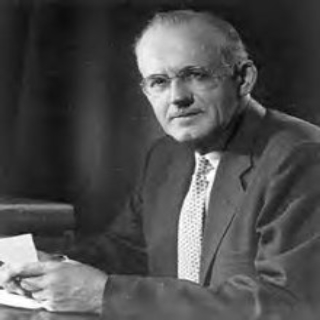
A.W. Tozer (Aiden Wilson Tozer)
 Early life
Tozer hailed from a tiny farming community in western La Jose, Pennsylvania. He was converted to Christianity as a teenager in Akron, Ohio: While on his way home from work at a tire company, he overheard a street preacher say, "If you don't know how to be saved ... just call on God, saying, 'Lord, be merciful to me a sinner.'" Upon returning home, he climbed into the attic and heeded the preacher's advice.
Pastor
In 1919, five years after his conversion and without formal education in Christian theology, Tozer accepted an offer to serve as pastor of his first church. That began 44 years of ministry associated with the Christian and Missionary Alliance (C&MA), a Protestant Evangelical denomination, 33 of them serving as a pastor in several different congregations (his first, a small storefront church in Nutter Fort, West Virginia). Later, he served thirty years (1928 to 1959) as the pastor of Southside Alliance Church in Chicago; the final years of his life he spent as pastor of Avenue Road Church in Toronto, Ontario, Canada. Observing contemporary Christian living, Tozer felt that the church was on a dangerous course toward compromising with "worldly" concerns.
Born into poverty, Tozer was self-educated and taught himself what he missed in high school and university.
Author
Tozer began writing in 1931 for the denominational magazine of the Christian and Missionary Alliance, Alliance Weekly (now Alliance Life), which became the platform from which his writing career emerged. He later wrote the monthly column “There’s Truth in It” (1936–37) and “A Word in Season” (1944–46). In May 1950, he became the editor of the Alliance Weekly, a position he filled until his death in 1963.
At the urging of David W. Fant, publications secretary of the C&MA, Tozer wrote biographies of A. B. Simpson (1943) and Robert A. Jaffray (1947). It was the publication of his third book, The Pursuit of God (1948), that made Tozer a household name among evangelicals. In addition to the 12 books he published in his lifetime, more than 40 other books have been compiled from his magazine features, editorials, and transcribed sermons.
During his lifetime, Tozer’s works were published by Christian Publications, Inc., the denominational press operated by the C&MA. The publishing house declared bankruptcy in 2006 and was purchased by WingSpread Publishers of Camp Hill, Pennsylvania.[8] In November 2013, Moody Publishers acquired Wingspread from parent company Zur Ltd., a transaction that included more than 60 Tozer books and pamphlets. Some of Tozer’s works are now in the public domain and have been issued by multiple publishers.
Personal life
Tozer had seven children, six sons and a daughter. Living a simple and non-materialistic lifestyle, he and his wife, Ada Cecelia Pfautz, never owned a car, preferring bus and train travel. Even after becoming a well-known Christian author, Tozer signed away much of his royalties to those who were in need.
Prayer was of vital personal importance for Tozer. "His preaching as well as his writings were but extensions of his prayer life," comments his biographer, James L. Snyder, in the book In Pursuit of God: The Life Of A.W. Tozer. "He had the ability to make his listeners face themselves in the light of what God was saying to them," writes Snyder.
Death and legacy
Tozer died on May 13, 1963, after suffering a heart attack. He was buried in Chicago, and later the family had his remains reinterred at Ellet Cemetery, Akron, Ohio. A simple marker reads: A. W. Tozer—A Man of God. The Alliance Weekly ran a memorial issue with numerous tributes and excerpts. The same issue also featured “God’s Greatest Gift to Man," a transcription of his final sermon. A few months prior to his death, Tozer had submitted the manuscript to The Christian Book of Mystical Verse, which was released in 1964 as his final book. His official publisher, Christian Publications, released many titles after his death, based on his magazine articles and sermon transcriptions. These continue in print with Moody Publishers. Several other publishers have released his public domain works.
In 2000, The Pursuit of God was named to Christianity Today’s list of 100 “Books of the Century.” In 2006, Knowledge of the Holy was named in “The Top 50 Books That Have Shaped Evangelicals.” Contemporary Christian music artist Lauren Barlow of BarlowGirl later published a compilation of stories told by 59 artists, writers, and leaders about A.W. Tozer’s personal inspiration.
Early life
Tozer hailed from a tiny farming community in western La Jose, Pennsylvania. He was converted to Christianity as a teenager in Akron, Ohio: While on his way home from work at a tire company, he overheard a street preacher say, "If you don't know how to be saved ... just call on God, saying, 'Lord, be merciful to me a sinner.'" Upon returning home, he climbed into the attic and heeded the preacher's advice.
Pastor
In 1919, five years after his conversion and without formal education in Christian theology, Tozer accepted an offer to serve as pastor of his first church. That began 44 years of ministry associated with the Christian and Missionary Alliance (C&MA), a Protestant Evangelical denomination, 33 of them serving as a pastor in several different congregations (his first, a small storefront church in Nutter Fort, West Virginia). Later, he served thirty years (1928 to 1959) as the pastor of Southside Alliance Church in Chicago; the final years of his life he spent as pastor of Avenue Road Church in Toronto, Ontario, Canada. Observing contemporary Christian living, Tozer felt that the church was on a dangerous course toward compromising with "worldly" concerns.
Born into poverty, Tozer was self-educated and taught himself what he missed in high school and university.
Author
Tozer began writing in 1931 for the denominational magazine of the Christian and Missionary Alliance, Alliance Weekly (now Alliance Life), which became the platform from which his writing career emerged. He later wrote the monthly column “There’s Truth in It” (1936–37) and “A Word in Season” (1944–46). In May 1950, he became the editor of the Alliance Weekly, a position he filled until his death in 1963.
At the urging of David W. Fant, publications secretary of the C&MA, Tozer wrote biographies of A. B. Simpson (1943) and Robert A. Jaffray (1947). It was the publication of his third book, The Pursuit of God (1948), that made Tozer a household name among evangelicals. In addition to the 12 books he published in his lifetime, more than 40 other books have been compiled from his magazine features, editorials, and transcribed sermons.
During his lifetime, Tozer’s works were published by Christian Publications, Inc., the denominational press operated by the C&MA. The publishing house declared bankruptcy in 2006 and was purchased by WingSpread Publishers of Camp Hill, Pennsylvania.[8] In November 2013, Moody Publishers acquired Wingspread from parent company Zur Ltd., a transaction that included more than 60 Tozer books and pamphlets. Some of Tozer’s works are now in the public domain and have been issued by multiple publishers.
Personal life
Tozer had seven children, six sons and a daughter. Living a simple and non-materialistic lifestyle, he and his wife, Ada Cecelia Pfautz, never owned a car, preferring bus and train travel. Even after becoming a well-known Christian author, Tozer signed away much of his royalties to those who were in need.
Prayer was of vital personal importance for Tozer. "His preaching as well as his writings were but extensions of his prayer life," comments his biographer, James L. Snyder, in the book In Pursuit of God: The Life Of A.W. Tozer. "He had the ability to make his listeners face themselves in the light of what God was saying to them," writes Snyder.
Death and legacy
Tozer died on May 13, 1963, after suffering a heart attack. He was buried in Chicago, and later the family had his remains reinterred at Ellet Cemetery, Akron, Ohio. A simple marker reads: A. W. Tozer—A Man of God. The Alliance Weekly ran a memorial issue with numerous tributes and excerpts. The same issue also featured “God’s Greatest Gift to Man," a transcription of his final sermon. A few months prior to his death, Tozer had submitted the manuscript to The Christian Book of Mystical Verse, which was released in 1964 as his final book. His official publisher, Christian Publications, released many titles after his death, based on his magazine articles and sermon transcriptions. These continue in print with Moody Publishers. Several other publishers have released his public domain works.
In 2000, The Pursuit of God was named to Christianity Today’s list of 100 “Books of the Century.” In 2006, Knowledge of the Holy was named in “The Top 50 Books That Have Shaped Evangelicals.” Contemporary Christian music artist Lauren Barlow of BarlowGirl later published a compilation of stories told by 59 artists, writers, and leaders about A.W. Tozer’s personal inspiration.
isn’t she beautiful: the role of physical attraction in dating
How significant should physical attraction be in the pursuit of marriage? Or, what role, if any, should physical appearance play in Christian dating? Guys have come to me over the years asking about this. Usually he respects or admires a godly young woman (or, maybe more often, other people in his life think he should admire her more), and yet he’s not physically attracted to her. She’s not his “type,” he says. “Should I still pursue her?” What would you say to him? I would say, “No.” Or at least, “Not yet.” Given the common assumptions and practices in our society today, including the church, I do not believe a man (or woman) should begin a dating relationship with someone to whom they are not physically attracted. If he admires other things about her, I’m all for him befriending her and getting to know her in safe, unambiguous, non-flirtatious ways (probably in groups). But I believe physical attraction, at least in the vast majority of cases, is one critical piece in discerning whether to date or marry someone. That being said, I also believe that physical attraction is far deeper and more dynamic, even spiritual, than we tend to think. It’s not static or objective. Real, meaningful, durable attraction is far more than physical. A man or woman’s physical appearance only plays one role in what makes them attractive or appealing. Its role is massive initially, say the very first time you see someone, when all you know about them is what you see, before you even know their name or hear their voice. But its role will necessarily evolve the more you learn about someone. After you’ve learned more about them — by asking their friends, or by hearing them talk, or by watching the way they live — you’ll never see them again as just the person you saw at first. The more we learn about them, the more their appearance is filled, for better or for worse, with new and deeper meaning — with their personality, their convictions, their sense of humor, their faith. The once-stunning girl may lose most of her charm, and the easily overlooked girl may become undeniably beautiful. They each look exactly the same as before, and yet they don’t. You see them, even their physical appearance, differently now. Physical (and Flexible) Attraction Don’t believe me? Ask sixty-year-old love birds if they’re still “physically attracted” to each other. Some of them are more attracted to each other than ever, and it’s not because they’re gaining weight, losing their hair, or having more trouble getting around. It’s because their appearance, in the eyes of their beloved, is increasingly filled with a deepening appreciation for the beauty in the other. They see something different in each other’s eyes. The hands are worn, but familiar and safe. The wrinkles are the years of faithfulness and bliss spent together. Their love not only looks beyond the surface, but sees the surface with new eyes. “True love not only looks beyond the surface, but sees the surface with new eyes.” On the other side, that celebrity you think is so hot right now can lose all of his or her appeal overnight, literally in one headline. The heartthrob guy beats his girlfriend, or the magazine-cover woman sleeps with three more guys. It’s suddenly harder to even look at pictures of them anymore. They each look exactly the same, but they don’t. You see the same pictures differently now — same hair, same eyes, same figure — all suddenly unappealing, unattractive. Physical attraction is real, but flexible. God has wired us to appreciate beauty in his design — to find men (for women) or women (for men) physically appealing — and that is a real and important element in our pursuit of marriage, and eventually in our flourishing within the covenant. God gave us physical senses and desires for our good. But that’s only one piece of what makes people attractive, and it is not the main piece — nowhere close. Mutual faith in Jesus Christ should be the most arrestingly attractive thing about any potential spouse. Beauty Is Vain This may be the most important thing to learn about physical (or sexual) attraction: that at its richest and fullest, it is not only or even mainly physical (eyes, hair, and figure). “Charm is deceitful, and beauty is vain, but a woman who fears the Lord is to be praised” (Proverbs 31:30). Why does Solomon even need to say that? Because physical beauty and charm are naturally appealing. But without faith, they’re fading, and fast. You can look at a picture in an ad or on an app and decide whether someone’s physical appearance is appealing to you, but that’s like buying a house based on a picture from the front yard. Most people want to enjoy how the front of their house looks, but that doesn’t typically break the list of the top ten or fifteen things they’re looking for in a home. How many bedrooms and bathrooms? Have the appliances been updated in the last five or ten years? What kind of shape is the foundation in? The outside may be most important to some people, but they’re probably people who haven’t owned a home before. The inside of a house — space, appliances, interior design — can cover a multitude of sins outside. But no amount of paint and creativity outside can fix serious issues inside. “Godliness should be the most attractive thing about the most attractive people.” So, let’s ask the question another way. Should a Christian man pursue a Christian woman to whom he is physically attracted? I might say, “No.” That is, if all you know or like about her is what you see. I would encourage you to befriend her and get to know her in safe, unambiguous, non-flirtatious ways (probably in groups), until you know whether there is real beauty behind her face and everything else anyone can see. Have you seen enough of her faith, her spiritual strength and maturity, her Christlikeness to know if her beauty is real and durable, or superficial and fading? Better with Age I would not encourage a man to pursue a godly woman whom he’s not attracted to physically, but I won’t let the conversation end there, either. I’ll give him a few other questions to ask himself. For instance, if she really is a godly woman, why might you be more attracted to the unbelieving girl in your algebra class? Or (for the women), if he really is a godly man, why might you be more attracted to the ungodly guy at work? As godly men and women, we should find godliness incredibly attractive. In fact, in our eyes and hearts, it should be the most attractive thing about the most attractive people. That doesn’t mean that if you’re a Christian, you should find every Christian man or woman attractive. But it should mean there’s a theme or trend in your attractions. In our day, it seems wise, in general, for men and women to date someone to whom they are attracted. And Christian men and women should be cultivating hearts that are more attracted to faith and character than anything else. The world around us will preach that physical beauty is everything, but we know and desire better. Of all the people in the world, we should be the most free from enslavement to physical appearances and sexual titillation. Our eyes should be increasingly drawn to modesty, not immodesty. As we put on the eyes and heart of Christ, we should increasingly be able to see through all the temporary and fading appearances to the things that are truly beautiful — the qualities in each other that imitate Jesus and anticipate heaven. The qualities that get better with age. My Hope for Men What’s my hope for Christian men? “It is my prayer that your love may abound more and more, with knowledge and all discernment, so that you may approve what is excellent, and so be pure and blameless for the day of Christ, filled with the fruit of righteousness that comes through Jesus Christ, to the glory and praise of God” (Philippians 1:9–11). I want our men (and women) to be known for recognizing and approving what is truly excellent and beautiful, that there would be a strange and durable purity to our pursuits of marriage. What an awesome thing it would be if the world was confused today by your interest in a Christian woman whom they find less physically attractive, only to have it make perfect sense twenty-five years later when you’re happily married (and more attracted to each other than ever) — and they’re five months into their fifth marriage. “Christians should be cultivating hearts that are more attracted to faith and character than anything else.” If you’re a Christian, and you’re not as attracted to godliness as you want to be, or if you feel yourself fixated on physical beauty, what should you do? Confess that to a brother. Bring someone in to sift through those desires with you, someone who can help you apply the gospel with grace and truth. And then start looking for evidences of grace in godly women. It’s easy to notice physical features — almost any man in the world is capable of that — but discipline yourself to notice and appreciate true beauty, which is not flaunted, but buried in a woman’s heart and expressed in things like patience, kindness, and selflessness. Say a prayer of thanks for what you see in women like that, and then share it with your friend. Turn the world’s crude locker-room conversations on their head by commending true and lasting beauty with humility and respect. Learn the vanity of physical beauty (by itself) and the lies lacing flirtatious charm and flattery, and train your heart and mind to praise and desire the woman whose heart is hot for Jesus.