
GIP Library icon

LOG IN TO REVIEW

I got it for someone for his doctorate degree project. So, no comment. Meanwhile, the person is a Doctor Of Theology now. Hallelujah.

- tosimile oluwafemi (10 months ago)

About the Book


"African Christian Theology" by Samuel Waje Kunhiyop explores the intersection of Christianity and African culture, offering a thoughtful analysis of how African Christians can contextualize their faith within their own cultural heritage. The book addresses key theological issues facing the African Christian community and provides insights into how they can engage with traditional African beliefs and practices while remaining true to their Christian faith.

Louis Zamperini
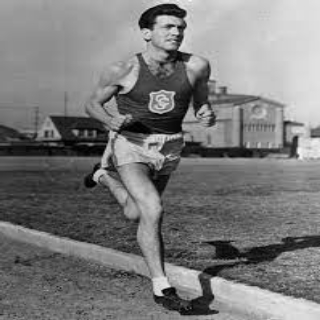
Louis Zamperini Louis Zamperini was a World War II prisoner of war and an Olympic athlete who became an inspirational figure and writer. Who Was Louis Zamperini? Louis Zamperini was a World War II veteran and Olympic distance runner. Zamperini competed in the 1936 Berlin Olympics and was set to compete again in the 1940 games in Tokyo, which were canceled when World War II broke out. A bombardier in the Army Air Corps, Zamperini was in a plane that went down, and when he arrived on shore in Japan 47 days later, he was taken as a prisoner of war and tortured for two years. After his release, Zamperini became an inspirational figure, and his life served as the basis for the 2014 biography Unbroken: A World War II Story of Survival, Resilience, and Redemption. Early Years Louis Silvie Zamperini was born to Italian immigrant parents on January 26, 1917, in the town of Olean, New York. Growing up in Torrance, California, Zamperini ran track at Torrance High School and discovered that he had a talent for long-distance running. In 1934, Zamperini set the national high school mile record, and his time of 4 minutes and 21.2 seconds would stand for an incredible 20 years. His track prowess also caught the attention of the University of Southern California, which he earned a scholarship to attend. 1936 Berlin Olympics It wasn’t long before Zamperini was taking his love of track to the next level, and in 1936 he headed to New York City for the 5,000-meter Olympic trials. Held on Randall’s Island, the race pitted Zamperini against Don Lash, the world record holder in the event. The race ended in a dead heat between the two runners, and the finish was enough to qualify Zamperini for the 1936 Olympics in Berlin, while he was still a teenager. Zamperini trained for only a few weeks in the 5,000 meters, and although he ran well (he finished his last lap in only 56 seconds), he didn’t medal, coming in eighth (to Lash’s 13th). During the overwhelming pageant that is the Olympics, the 19-year-old stood near Adolf Hitler’s box with his fellow athletes, seeking a photo of the Nazi leader. Looking back on the event, Zamperini said, “I was pretty naïve about world politics, and I thought he looked funny, like something out of a Laurel and Hardy film.” In 1938, Zamperini was back setting records at the collegiate level, this time breaking the mile record of 4:08.3, a new mark that held for 15 years. Zamperini graduated from USC in 1940, a year that would have been the speedster’s next shot at Olympic gold, but World War II intervened. World War II and Japanese POW Camp With the outbreak of World War II, the 1940 Olympics were canceled, and Zamperini enlisted in the Army Air Corps. He ended up a bombardier on the B-24 Liberator, and in May 1943, Zamperini and a crew went out on a flight mission to search for a pilot whose plane had gone down. Out over the Pacific Ocean, Zamperini’s plane suffered mechanical failure and crashed into the ocean. Of the 11 men on board, only Zamperini and two other airmen survived the crash, but help was nowhere to be found, and the men were stranded on a raft together for 47 days. The month and a half at sea proved harrowing for the survivors, as they were subjected to the unrelenting sun, strafing runs by Japanese bombers, circling sharks and little drinking water. To survive, they collected rainwater and killed birds that happened to land on the raft. One of the men died at sea before Zamperini and the plane’s pilot, Russell Allen "Phil" Phillips, finally washed ashore. They found themselves on a Pacific island 2,000 miles from the crash site and in enemy Japanese territory. While saved from the ocean, the men were soon taken as prisoners of war by the Japanese, beginning the next leg of their horrific experience. In captivity across a series of prison camps, Zamperini and Phillips were separated and subjected to torture, both physical and psychological. They were beaten and starved, and Zamperini was singled out and abused repeatedly by a camp sergeant called the Bird, who would tear into fits of psychotic violence. Yet Zamperini, as a former Olympic athlete, was seen as a propaganda tool by the Japanese, a scenario that likely saved him from execution. The captivity lasted for more than two years, during which time Zamperini was officially pronounced dead by the U.S. military. Zamperini was released only after the war ended in 1945, and he returned to the United States. Postwar Life and Legacy Scarred by his ordeal, upon his return home, Zamperini suffered from alcoholism, and he and his wife, Cynthia, came close to divorce. (They stayed married, though, for 54 years, until her death in 2001.) What brought Zamperini back from the brink was hearing a Billy Graham sermon in Los Angeles in 1949, a sermon that inspired Zamperini and began the healing process. He went on to found a camp for troubled youth called Victory Boys Camp and forgave his Japanese tormenters. Some received Zamperini’s forgiveness in person in 1950, when he visited a Tokyo prison where they were serving war-crime sentences. In 1998, Zamperini returned to Japan once again to carry the torch at the Nagano Winter Games. He stated his intention to forgive the Bird, Mutsuhiro Watanabe, but Watanabe refused to meet with him. Zamperini also went on to become a prominent inspirational speaker, and he wrote two memoirs, both titled Devil at My Heels (1956 and 2003). His life has inspired a recent biography as well, Laura Hillenbrand’s Unbroken: A World War II Story of Survival, Resilience, and Redemption. The book has also become the subject of a 2014 film, Unbroken, directed and produced by actress Angelina Jolie, as well as its 2018 sequel Unbroken: Path to Redemption. Zamperini died at age 97 of pneumonia on July 2, 2014.

Finding Financial Freedom

The smartest thing we can do financially is to make God’s kingdom and His righteousness our top priority. Since true financial freedom is based largely on the condition of our heart and attitude, we must consciously embrace truth not fear, contentment not greed, humility not pride, gratitude not resentment, righteousness not deceit, generosity not selfishness. The following suggestions are financial strategies that have helped many people. Look at the list, pray over it, and apply what will benefit you and your family with the goal of changing bad habits, reducing stress, and gaining financial freedom. Make a Plan Everything starts with a plan. After you do that, you’re ready to move forward with it. Set specific goals, short-term and long-term. Write them down and refer to them regularly. This will give clarity. Create a budget. This brings freedom. Seek accountability. This will provide encouragement. Give regularly. This will break the grip of selfishness. Eliminate personal debt. This will set you free. Fund an emergency account, save, invest. This will help you have margin. Change your withholding if you get tax refunds. This will boost cash flow. Celebrate milestones with gratitude. This will keep you motivated. Reduce Expenses You can take action now to reduce your expenses. Here are several actions. Keep track of all expenses for at least 30 days to learn your spending habits. Use extra money (tax refunds, raises, gifts) wisely. Become frugal. Live like you’re poor. Buy only what you need. Cancel cable and subscriptions. Limit or drop TV and social media. Find free entertainment. Read more books — use the library. Eat out only for special occasions. Recruit a couple or family to join you on this journey. Challenge yourself to eat the pantry. The smartest thing we can do financially is to make God’s kingdom and His righteousness our top priority. Chuck Bentley in Finding Financial Freedom This Year Go on a “Spending Fast.” Use cash when possible to limit credit card debt. Change your lifestyle. Move, drive cheaper cars, and so on. Reduce utility costs. Avoid “window shopping.” Assess your friendships. Plan ahead for holidays. Grocery shop with a list. Cook large meals, freeze leftovers, and take meals from home to work Say no to impulse purchases. Use coupons or buy what is on sale. Shop consignment or thrift shops. Drop gym memberships. Make coffee at home. Skip soft drinks and bottled water. Find a mobile discount plan. Trade skills with a friend (cooking, yard care, haircuts, and so on). Avoid financing cars and loans. Don’t gamble. Increase Income By taking just a few deliberate actions, you can increase your income. Work hard and ask for a raise. Improve your job skills. Obtain certifications and online training. Take on a part-time job. Sell what you don’t need. Think outside the box. Find creative solutions to problems. Improve Your Health Your health impacts your finances in several ways, including the cost of insurance, your ability to work, your energy level, your ability to sleep, and your state of mind. Sleep a minimum of seven hours. God designed you to function best when rested. Drink more water, much more than you think you need. Eat healthily. Grow food if you can. Exercise daily and spend time in nature. Sunshine is an essential part of your health. Eliminate stress and guard your mental health. Limit prescription drug use. Research natural remedies. Plan for the Future By taking just a few deliberate actions, you can increase your income. Organize your finances and emergency information. Gather documents to prepare taxes. Make a will and plan burial options. Carry adequate insurance: life, health, car, home, or rental. Plan education costs for children. Begin funding retirement accounts. Diversify your investments. Principles and best practices are of no value if we only know them intellectually. Knowing and doing is the key to experiencing God’s promises. Living accordingly will help you to thrive.


Feedback
Suggestionsuggestion box
x