
Others like a journey to hell, heaven, and back Features >>
-160.webp)
A New Heaven And A New Earth: Reclaiming Biblical Eschatology
Between Heaven And Hell
-160.webp)
Imagine The God Of Heaven (Near-Death Experiences, God’s Revelation, And The Love You’ve Always Wanted)
Rapture, Revelation, And The End Times
-160.webp)
Proof Of Heaven: A Neurosurgeon's Journey Into The Afterlife

Rapture, Revelation, And The End Times: Exploring The Left Behind Series
The Spirit Of Prophecy Volume 4

Secrets From Beyond The Grave

Paradise Lost

The Three Heavens
About the Book
"A Journey to Hell, Heaven, and Back" is a thought-provoking account of Ivan Tuttle's near-death experience, in which he describes his harrowing journey to both hell and heaven before ultimately returning to life. Tuttle shares profound insights about spirituality, the afterlife, and the power of faith, making this book a compelling read for anyone interested in near-death experiences and the mysteries of the beyond.
John G. Lake
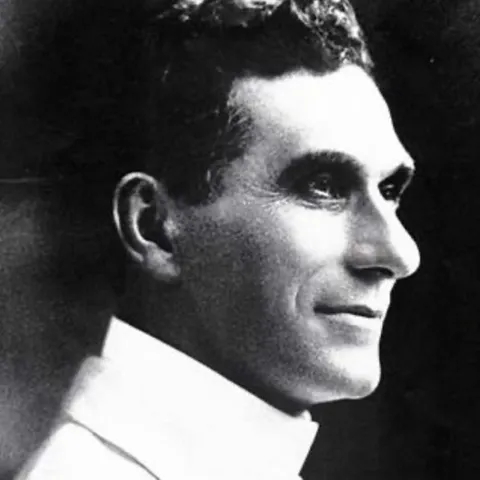 John G. Lake was born in Ontario, Canada on March 18th, 1870. He was a family man, person of integrity, honor, a savvy businessman and a good father. If you knew him you wouldn’t otherwise know that he would soon become one of the greatest men of God the world would ever know. He had a genuine love for the Lord Jesus and was known by his friends as a man who dedicated himself to intimacy with The Lord. It was out of this place that he loved his wife, was a man of integrity and built a very successful business career. To give you perspective, by 1905 John G Lake was making $50,000 per year this sum would be like upwards of 1.3 million dollars per year annually today. John grew up in a family environment which was plagued with sickness and death, it is said that his earliest memories were of sickness, death and funerals. Lake was from a large family, he had 16 siblings, 8 of which tragically died of various diseases. It is no coincidence that “the man of healing” was tormented from a young age with death and disease. The enemy will often oppose destinies with radical circumstances through a distortion of the very thing that we are called to walk in. Lake Was exposed to dramatic healing when he visited John Alexander Dowie’s ministry and was, in prayer, instantly healed of a rheumatism which had caused his legs to grow incorrectly. Just two short years into their marriage, Jennie Lake was diagnosed with tuberculosis and heart disease. Over the next couple of years, the condition worsened and the doctors resigned to the fact that it was only a matter of time before she would die. John allowed this situation to provoke him into faith, after being exposed to such death and disease from a young age he had a hatred for such things. When he would read the word of God he saw that his Christian experience was less than the promised “power of the Holy Spirit”. As Jennie was on her deathbed and perhaps taking her final breaths Lake was overcome with anger over sickness and threw his bible against the fireplace mantle! When he went to pick up his bible it was opened to Acts chapter 10:38 which says: "God anointed Jesus of Nazareth with the Holy Ghost and with power: who went about doing good, and healing all that were oppressed of the devil; for God was with him.” Lake had a surge of faith in that moment and sent a telegram to Dowie asking him to pray. Within an hour of Dowie praying she was fully healed! Not long after Jennie was healed, God began to speak to Lake about going into full time ministry. After some time of contemplation and seeking the Lord, God confirmed to John and Jennie separately that they were to move to South Africa to begin their life of ministry. John and Jennie then gave away all that they had, John forsook his mega-salary and they went on their way alongside some of their friends as ministry partners.
When they arrived in South Africa, they had no money. The problem was, that they needed at least $125 in order to clear customs. they nervously waited for their turn in line, rehearsing what they would say to the immigration officer They were in desperate need of a miracle, as the law read that they would be subject to deportation as quickly as they arrived in South Africa. Just as they were about the get to the front of the line, John felt a tap on his shoulder… A man was standing behind John and said “excuse me sir, can I have a word with you?” John nervously steps out of line at the man’s request and the man said “when I saw you and your family in line, the Lord told me to give you $200 cash”. The Lord provided just enough money for John and his family to enter the country. But their needs didn’t stop there. The Lakes and their crew had no ministry contact in Johannesburg. Soon after they cleared customs, a woman approached John’s friends and asked how many people are in their family, when they told her, she responded “no, not you” and went over to John and asked the same question. John replied “9” and she said “you’re the ones!” She went on to tell John that the Lord had spoken to her last night that she was to give her home to a family of 9 people who are coming from America to do God’s work. John, Jennie and their crew rejoiced in the dramatic provision of the Lord. Their time in South Africa was marked with waves of revival, there were multitudes saved, healed and delivered over the course of their 5 year ministry tour in South Africa.
By far my favorite story from this season of Revival takes place shortly after the Lake family and their team arrived in South Africa. A mighty plague was sweeping through the nation, the death count was climbing dramatically. So much so that there was a surplus of corpses who were victims of the plague and there was no one to bury the dead; if someone was to come in contact with a dead body they would most certainly become infected and their death sentence would immediately begin. John G. Lake astounded the medical officials because he, without any gloves or protective clothing began burying the dead. Physicians in a panic approached John and rebuked him for coming in contact with the dead, John boldly responded "when the disease comes in contact with my skin, you can watch it die". The doctors thought he was insane, so he challenged them to put a drop of the plague on his skin and watch it under a microscope. When they did so, John was right! The plague cells literally burned up the second they came in contact with his skin!
It is tough to understand what would happen towards the end of the Lake’s missionary journey in Africa. One day while John was away on a ministry trip, his wife Jennie suddenly passed away. The cause of her death was malnutrition and exhaustion. It wasn’t uncommon for the sick and broken to line the lawn of John G Lake’s home and Jennie, as an act of sacrifice, gave away all their food and any resources she could to the broken which frequented their house.
Although John and Jennie’s faith and sacrifice is commendable we must learn from this fatal mistake. John’s priorities clearly became altered as the demand for ministry raged on. He failed to guard and keep the very precious gift that God had given him, he allowed the demands of ministry to distract him from the needs of his family unto the tragic and preventable death of his wife. In the wake of Jennie’s death their children became bitter with John and subsequently God. Some of his children left the faith and the most recent accounts of them suggest that they died not following Christ. To this day some of John’s great grandchildren do not follow the Lord. John’s failure to obey the basic command of scripture for “husbands to love their wives as Christ loves the church” and his preoccupation with the demands of ministry opened up the door for the enemy to ravage his family. After Jennie’s death John moved back to the United States and remarried. He would then pioneer his famous healing ministry based out of Spokane Washington. Unfortunately John did not learn his lesson the first time, in the midst of more flames of revival he continued to be a poor father, emotionally disconnected from his children.
John G. Lake was born in Ontario, Canada on March 18th, 1870. He was a family man, person of integrity, honor, a savvy businessman and a good father. If you knew him you wouldn’t otherwise know that he would soon become one of the greatest men of God the world would ever know. He had a genuine love for the Lord Jesus and was known by his friends as a man who dedicated himself to intimacy with The Lord. It was out of this place that he loved his wife, was a man of integrity and built a very successful business career. To give you perspective, by 1905 John G Lake was making $50,000 per year this sum would be like upwards of 1.3 million dollars per year annually today. John grew up in a family environment which was plagued with sickness and death, it is said that his earliest memories were of sickness, death and funerals. Lake was from a large family, he had 16 siblings, 8 of which tragically died of various diseases. It is no coincidence that “the man of healing” was tormented from a young age with death and disease. The enemy will often oppose destinies with radical circumstances through a distortion of the very thing that we are called to walk in. Lake Was exposed to dramatic healing when he visited John Alexander Dowie’s ministry and was, in prayer, instantly healed of a rheumatism which had caused his legs to grow incorrectly. Just two short years into their marriage, Jennie Lake was diagnosed with tuberculosis and heart disease. Over the next couple of years, the condition worsened and the doctors resigned to the fact that it was only a matter of time before she would die. John allowed this situation to provoke him into faith, after being exposed to such death and disease from a young age he had a hatred for such things. When he would read the word of God he saw that his Christian experience was less than the promised “power of the Holy Spirit”. As Jennie was on her deathbed and perhaps taking her final breaths Lake was overcome with anger over sickness and threw his bible against the fireplace mantle! When he went to pick up his bible it was opened to Acts chapter 10:38 which says: "God anointed Jesus of Nazareth with the Holy Ghost and with power: who went about doing good, and healing all that were oppressed of the devil; for God was with him.” Lake had a surge of faith in that moment and sent a telegram to Dowie asking him to pray. Within an hour of Dowie praying she was fully healed! Not long after Jennie was healed, God began to speak to Lake about going into full time ministry. After some time of contemplation and seeking the Lord, God confirmed to John and Jennie separately that they were to move to South Africa to begin their life of ministry. John and Jennie then gave away all that they had, John forsook his mega-salary and they went on their way alongside some of their friends as ministry partners.
When they arrived in South Africa, they had no money. The problem was, that they needed at least $125 in order to clear customs. they nervously waited for their turn in line, rehearsing what they would say to the immigration officer They were in desperate need of a miracle, as the law read that they would be subject to deportation as quickly as they arrived in South Africa. Just as they were about the get to the front of the line, John felt a tap on his shoulder… A man was standing behind John and said “excuse me sir, can I have a word with you?” John nervously steps out of line at the man’s request and the man said “when I saw you and your family in line, the Lord told me to give you $200 cash”. The Lord provided just enough money for John and his family to enter the country. But their needs didn’t stop there. The Lakes and their crew had no ministry contact in Johannesburg. Soon after they cleared customs, a woman approached John’s friends and asked how many people are in their family, when they told her, she responded “no, not you” and went over to John and asked the same question. John replied “9” and she said “you’re the ones!” She went on to tell John that the Lord had spoken to her last night that she was to give her home to a family of 9 people who are coming from America to do God’s work. John, Jennie and their crew rejoiced in the dramatic provision of the Lord. Their time in South Africa was marked with waves of revival, there were multitudes saved, healed and delivered over the course of their 5 year ministry tour in South Africa.
By far my favorite story from this season of Revival takes place shortly after the Lake family and their team arrived in South Africa. A mighty plague was sweeping through the nation, the death count was climbing dramatically. So much so that there was a surplus of corpses who were victims of the plague and there was no one to bury the dead; if someone was to come in contact with a dead body they would most certainly become infected and their death sentence would immediately begin. John G. Lake astounded the medical officials because he, without any gloves or protective clothing began burying the dead. Physicians in a panic approached John and rebuked him for coming in contact with the dead, John boldly responded "when the disease comes in contact with my skin, you can watch it die". The doctors thought he was insane, so he challenged them to put a drop of the plague on his skin and watch it under a microscope. When they did so, John was right! The plague cells literally burned up the second they came in contact with his skin!
It is tough to understand what would happen towards the end of the Lake’s missionary journey in Africa. One day while John was away on a ministry trip, his wife Jennie suddenly passed away. The cause of her death was malnutrition and exhaustion. It wasn’t uncommon for the sick and broken to line the lawn of John G Lake’s home and Jennie, as an act of sacrifice, gave away all their food and any resources she could to the broken which frequented their house.
Although John and Jennie’s faith and sacrifice is commendable we must learn from this fatal mistake. John’s priorities clearly became altered as the demand for ministry raged on. He failed to guard and keep the very precious gift that God had given him, he allowed the demands of ministry to distract him from the needs of his family unto the tragic and preventable death of his wife. In the wake of Jennie’s death their children became bitter with John and subsequently God. Some of his children left the faith and the most recent accounts of them suggest that they died not following Christ. To this day some of John’s great grandchildren do not follow the Lord. John’s failure to obey the basic command of scripture for “husbands to love their wives as Christ loves the church” and his preoccupation with the demands of ministry opened up the door for the enemy to ravage his family. After Jennie’s death John moved back to the United States and remarried. He would then pioneer his famous healing ministry based out of Spokane Washington. Unfortunately John did not learn his lesson the first time, in the midst of more flames of revival he continued to be a poor father, emotionally disconnected from his children.
seven prayers for christian dating
If we refuse to pray in dating, we refuse to receive the precious resources we need most in dating. Too many of us struggle in dating — to discern our hearts, to communicate with one another, to balance priorities and responsibilities, to reject sexual temptation — without ever asking God for his wisdom, strength, and help. We wonder why we make the same mistakes and fall into sin over and over again, while we leave the King sitting on the bench. We may talk about praying, but we rarely actually talk to God. We read articles, text friends, listen to podcasts, even ask for advice, but put off kneeling at the feet of our Father in heaven. If we want to date well, we will need to pray more. The invitation to pray in dating is not another burden heaped onto the back of single men and women. It is the path into having our feelings and desires tested, confirmed, and fulfilled. It’s not another gen. ed. course we have to pass before God gives us a husband or a wife. It is the 747 big enough, strong enough, and safe enough to carry us through these single years, and if God wills, into the new country of marriage. Don’t start dating without praying, and don’t stop praying while you’re waiting. If you don’t know what to pray, here are seven prayers for any not-yet-married relationship. 1. Free us to date differently. “Whether you eat or drink” — or date or marry — “or whatever you do, do all to the glory of God.” (1 Corinthians 10:31) Our Father in heaven, so much in the dating scene today seems so broken — unnecessary ambiguity, unhealthy communication, fear of commitment, boundaries crossed, messy breakups. Because we are yours, we desperately want our dating to be different. Set our relationship apart from every fallen example around us. Allow our love and respect for one another to say something profound and beautiful about your Son, even when we make mistakes or sin against each other. 2. Give us a passion for each other’s faith and joy in you. I know that I will remain and continue with you all, for your progress and joy in the faith, so that in me you may have ample cause to glory in Christ Jesus. (Philippians 1:25–26) It will be too easy to focus our attention and energy on each other — the status of our relationship, the nature of our conflict, the trajectory of our feelings — but the most important dynamic in our relationship will be its influence on our relationship with you. I am naturally more concerned with what my girlfriend (or boyfriend) thinks and feels about me, when I should be far more concerned with what she (or he) thinks and feels about you. God, inspire in us a passion for each other’s faith and joy in you. 3. Keep our affection for each other from blinding us to sin. I feel a divine jealousy for you, since I betrothed you to one husband, to present you as a pure virgin to Christ. But I am afraid that as the serpent deceived Eve by his cunning, your thoughts will be led astray from a sincere and pure devotion to Christ. (2 Corinthians 11:2–3) The line between affection and infatuation can blur quickly in a relationship, blinding us to you and to ourselves. Having “fallen in love,” we lose touch with our fallenness. Satan steps into the euphoria and deceives us into ignoring, overlooking, or excusing sin. We compromise in relationships in ways we never would otherwise. God, blow away the fog of any infatuation, and fill our eyes with your truth and beauty. When every fiber of every muscle in our bodies wants to give into temptation, ignite our hearts to reject sin’s filthy promises and to prefer you and your righteousness. 4. Remind us our bodies were bought with a precious and infinite price. Flee from sexual immorality. Every other sin a person commits is outside the body, but the sexually immoral person sins against his own body. Or do you not know that your body is a temple of the Holy Spirit within you, whom you have from God? You are not your own, for you were bought with a price. So glorify God in your body. (1 Corinthians 6:18–20) Sadly and tragically, sexual immorality seems to be the norm — even, in some cases, among relationships claiming to be Christian. But when everyone else is giving in, we refuse to give up. Whenever we are tempted to cross boundaries you have lovingly set for us, carry our minds to the cross, where Jesus died to liberate us from every ounce of sexual sin. It will be one of the most radical, countercultural, Spirit-enabled feats of our lives: choosing to deny the impulse to experiment or express ourselves sexually in dating because we trust you and treasure Jesus. 5. Weave our dating relationship into other meaningful relationships. Take care, brothers, lest there be in any of you an evil, unbelieving heart, leading you to fall away from the living God. But exhort one another every day, as long as it is called “today,” that none of you may be hardened by the deceitfulness of sin. (Hebrews 3:12–13) Father, guard us from isolating ourselves and our relationship from other believers. The more time we spend one-on-one with each other, the less time we spend with other important people in our lives. That distance is one of the greatest dangers in dating. Draw the men and women we need into our feelings, our communication, and our decision-making. Bring us other Christians who love us enough to ask hard questions. When the temptation will be to date off in a corner, weave our relationship into real, consistent, and engaged community. 6. In your perfect timing, give us clarity about whether we should marry. Commit your way to the Lord; trust in him, and he will act. . . . Be still before the Lord and wait patiently for him. (Psalms 37:5, 7) If any of you lacks wisdom, let him ask God, who gives generously to all without reproach, and it will be given him. (James 1:5) We feel how vulnerable we are in dating — the uncertainty, the fragility, the volatility. It is not a safe love yet, because it is not yet sealed with our promises. If we are to truly, deeply, exclusively, freely, and passionately love each other, it must be as husband and wife. It must be inside the beautiful and mysterious oneness of marriage. So, give us clarity, God. We are waiting for you to make clear whether we should marry. We don’t want to date one day longer than you would have us. We’re pleading for wisdom in dating because we know how much you love to give it to those who ask. 7. At every step, remain our first and greatest love. “You shall love the Lord your God with all your heart and with all your soul and with all your strength and with all your mind.” (Luke 10:27) “I have this against you, that you have abandoned the love you had at first.” (Revelation 2:4) Above all, forbid that any love would begin to overshadow or replace our love for you. If either of us consistently draws us away from you, give us enough faith and love to walk away. Guard us from anyone who wants your place in our heart, and lead us to a husband or wife who has already given all of their heart, soul, mind, and strength to you. Whether we ever marry or not, we pledge our love first and forever to you — from this day forward, for better, for worse, for richer, for poorer, in sickness and health — until death once and for all marries us to you.