
Others like a journey to hell, heaven, and back Features >>
-160.webp)
A New Heaven And A New Earth: Reclaiming Biblical Eschatology
Between Heaven And Hell
-160.webp)
Imagine The God Of Heaven (Near-Death Experiences, God’s Revelation, And The Love You’ve Always Wanted)
Rapture, Revelation, And The End Times
-160.webp)
Proof Of Heaven: A Neurosurgeon's Journey Into The Afterlife

Rapture, Revelation, And The End Times: Exploring The Left Behind Series
The Spirit Of Prophecy Volume 4
Secrets From Beyond The Grave

Paradise Lost

The Three Heavens
About the Book
"A Journey to Hell, Heaven, and Back" is a thought-provoking account of Ivan Tuttle's near-death experience, in which he describes his harrowing journey to both hell and heaven before ultimately returning to life. Tuttle shares profound insights about spirituality, the afterlife, and the power of faith, making this book a compelling read for anyone interested in near-death experiences and the mysteries of the beyond.
Maria Woodworth-Etter
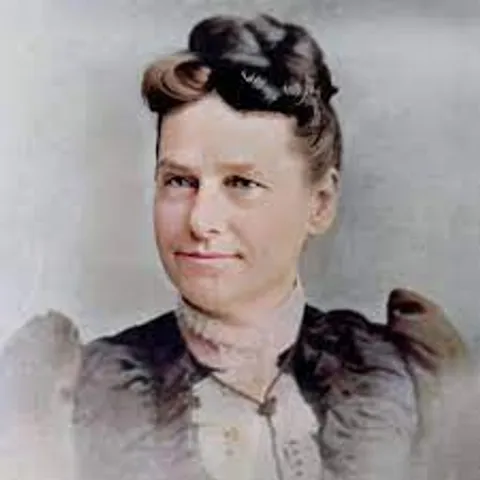 Maria Woodworth-Etter’s Early life
Maria’s early life was plagued with tragedies. Her father died of sunstroke when she was 11 years old leaving her mother with eight children to provide for. She married at 16 but fought a continual battle with ill-health, losing five of her six children. During her sickness she had visions of children in heaven and the lost suffering in hell.
She promised God, that if He would heal her, she would serve Him completely. She asked God for same apostolic power He gave the disciples and was gloriously baptized in the Holy Spirit. “It felt like liquid fire, and there were angels all around.”
The call to preach
Despite her personal struggles with ‘women in ministry’ and the prevailent hostile attitudes to female preachers, she felt compelled by God to accept the invitation to preach in the United Brethren in Christ (Friends) in 1876 and later associated with the Methodist Holiness church.
Evangelism with signs and wonders
Though simply evangelistic in the early days she was unusually successful and in 1885 supernatural signs began to accompany her ministry. Her ministry resurrected dead churches, brought salvation to thousands of unconverted and encouraged believers to seek a deeper walk with God.
She descibes one of her meetings
She described an 1883 meeting in Fairview, Ohio: “I felt impressed God was going to restore love and harmony in the church..… All present came to the altar, made a full consecration, and prayed for a baptism of the Holy Ghost and fire. That night it came. Fifteen same to the altar screaming for mercy.
Men and women fell and lay like dead. I felt it was the work of God, but did not know how to explain it or what to say. I was a little frightened . . . after lying for two hours all, one after another, sprang to their feet as quick as a flash with shining faces and shouted all over the house. I had never seen such bright conversions or such shouting….
The ministers and old saints wept and praised the Lord …..they said it was the Pentecost power, that the Lord was visiting them in great mercy and power …..(they) experienced visions of heaven and hell, collapsed on the floor as if they’d been shot or had died.” Subsequently, thousands were healed of a wide variety of sicknesses and diseases and many believers, even ministers, received mighty baptisms of the Holy Spirit. She soon became a national phenomenon.
1,000 seater tent
In 1889, she purchased a tent that could seat eight thousand people and set it up in Oakland, California. “The power of God was over all the congregation; and around in the city of Oakland. The Holy Ghost would fall on the people while we were preaching. The multitude would be held still, like as though death was in their midst.
Many of the most intelligent and best dressed men would fall back in their seats, with their hands held up to God. being held under the mighty power of God. Men and women fell, all over the tent, like trees in a storm; some would have visions of God. Most all of them came out shouting the praises of God.”
She declared that if 19th-century believers would meet God’s conditions, as the 120 did on the Day of Pentecost, they would have the same results. “A mighty revival would break out that would shake the world, and thousands of souls would be saved. The displays of God’s power on the Day of Pentecost were only a sample of what God designed should follow through the ages. Instead of looking back to Pentecost, let us always be expecting it to come, especially in these days.”
Her views of Pentecostalism
Initially she had grave concerns about the burgeoning Pentecostal movement, mainly because of some unbalanced teaching and reported extremism. Soon she came to believe it was an authentic move of the Holy Spirit and was enthusiastically welcomed within its ranks. She became both a model and a mentor for the fledgling movement. This association elicited another wave of revival between 1912 and her death in 1924 as she ministered throughout the country and her books were read across the world.
Etter Tabenacle
In 1918, she built Etter Tabernacle as her home church base and affiliated with the Assemblies of God. In her closing years she still ministered with a powerful anointing despite struggling with gastritis and dropsy. On occasion she would be carried to the podium, preach with extraordinary power, then be carried home again!
Her demise
Her health continued to decline and she died on September 16, 1924. She is buried in a grave in Indianapolis next to her daughter and son-in-law. Her inscription reads “Thou showest unto thousands lovingkindness.”
In conclusion
Without doubt Maria Woodworth-Etter was an amazing woman blessed with an astonishing ministry. Rev. Stanley Smith – one of the famous “Cambridge Seven” and for many years a worker with “The China Inland Mission” wrote this about her autobiography:
“I cannot let this opportunity go by without again bringing to the notice of my readers, ‘Acts of the Holy Ghost,’ or ‘Life and Experiences of Mrs. M. B. Woodworth-Etter.’ It is a book I value next to the Bible. In special seasons of waiting on God I have found it helpful to have the New Testament on one side of me and Mrs. Etter’s book on the other; this latter is a present-day record of ‘the Acts’ multiplied.
Mrs. Etter is a woman who has had a ministry of healing since 1885, her call as an evangelist being some years previous to this. I venture to think that this ministry is unparalleled in the history of the Church, for which I give all the glory to the Lord Jesus Christ, as Mrs. Etter would, I know, wish me to do. This ministry should be made known, for the glory of the Triune God and the good of believers.”
We agree and pray that such an anointing will rest upon God’s end-time people so that ‘this Gospel of the Kingdom will be preached in all the world before the end comes!’ Matthew 24:14
Tony Cauchi
Maria Woodworth-Etter’s Early life
Maria’s early life was plagued with tragedies. Her father died of sunstroke when she was 11 years old leaving her mother with eight children to provide for. She married at 16 but fought a continual battle with ill-health, losing five of her six children. During her sickness she had visions of children in heaven and the lost suffering in hell.
She promised God, that if He would heal her, she would serve Him completely. She asked God for same apostolic power He gave the disciples and was gloriously baptized in the Holy Spirit. “It felt like liquid fire, and there were angels all around.”
The call to preach
Despite her personal struggles with ‘women in ministry’ and the prevailent hostile attitudes to female preachers, she felt compelled by God to accept the invitation to preach in the United Brethren in Christ (Friends) in 1876 and later associated with the Methodist Holiness church.
Evangelism with signs and wonders
Though simply evangelistic in the early days she was unusually successful and in 1885 supernatural signs began to accompany her ministry. Her ministry resurrected dead churches, brought salvation to thousands of unconverted and encouraged believers to seek a deeper walk with God.
She descibes one of her meetings
She described an 1883 meeting in Fairview, Ohio: “I felt impressed God was going to restore love and harmony in the church..… All present came to the altar, made a full consecration, and prayed for a baptism of the Holy Ghost and fire. That night it came. Fifteen same to the altar screaming for mercy.
Men and women fell and lay like dead. I felt it was the work of God, but did not know how to explain it or what to say. I was a little frightened . . . after lying for two hours all, one after another, sprang to their feet as quick as a flash with shining faces and shouted all over the house. I had never seen such bright conversions or such shouting….
The ministers and old saints wept and praised the Lord …..they said it was the Pentecost power, that the Lord was visiting them in great mercy and power …..(they) experienced visions of heaven and hell, collapsed on the floor as if they’d been shot or had died.” Subsequently, thousands were healed of a wide variety of sicknesses and diseases and many believers, even ministers, received mighty baptisms of the Holy Spirit. She soon became a national phenomenon.
1,000 seater tent
In 1889, she purchased a tent that could seat eight thousand people and set it up in Oakland, California. “The power of God was over all the congregation; and around in the city of Oakland. The Holy Ghost would fall on the people while we were preaching. The multitude would be held still, like as though death was in their midst.
Many of the most intelligent and best dressed men would fall back in their seats, with their hands held up to God. being held under the mighty power of God. Men and women fell, all over the tent, like trees in a storm; some would have visions of God. Most all of them came out shouting the praises of God.”
She declared that if 19th-century believers would meet God’s conditions, as the 120 did on the Day of Pentecost, they would have the same results. “A mighty revival would break out that would shake the world, and thousands of souls would be saved. The displays of God’s power on the Day of Pentecost were only a sample of what God designed should follow through the ages. Instead of looking back to Pentecost, let us always be expecting it to come, especially in these days.”
Her views of Pentecostalism
Initially she had grave concerns about the burgeoning Pentecostal movement, mainly because of some unbalanced teaching and reported extremism. Soon she came to believe it was an authentic move of the Holy Spirit and was enthusiastically welcomed within its ranks. She became both a model and a mentor for the fledgling movement. This association elicited another wave of revival between 1912 and her death in 1924 as she ministered throughout the country and her books were read across the world.
Etter Tabenacle
In 1918, she built Etter Tabernacle as her home church base and affiliated with the Assemblies of God. In her closing years she still ministered with a powerful anointing despite struggling with gastritis and dropsy. On occasion she would be carried to the podium, preach with extraordinary power, then be carried home again!
Her demise
Her health continued to decline and she died on September 16, 1924. She is buried in a grave in Indianapolis next to her daughter and son-in-law. Her inscription reads “Thou showest unto thousands lovingkindness.”
In conclusion
Without doubt Maria Woodworth-Etter was an amazing woman blessed with an astonishing ministry. Rev. Stanley Smith – one of the famous “Cambridge Seven” and for many years a worker with “The China Inland Mission” wrote this about her autobiography:
“I cannot let this opportunity go by without again bringing to the notice of my readers, ‘Acts of the Holy Ghost,’ or ‘Life and Experiences of Mrs. M. B. Woodworth-Etter.’ It is a book I value next to the Bible. In special seasons of waiting on God I have found it helpful to have the New Testament on one side of me and Mrs. Etter’s book on the other; this latter is a present-day record of ‘the Acts’ multiplied.
Mrs. Etter is a woman who has had a ministry of healing since 1885, her call as an evangelist being some years previous to this. I venture to think that this ministry is unparalleled in the history of the Church, for which I give all the glory to the Lord Jesus Christ, as Mrs. Etter would, I know, wish me to do. This ministry should be made known, for the glory of the Triune God and the good of believers.”
We agree and pray that such an anointing will rest upon God’s end-time people so that ‘this Gospel of the Kingdom will be preached in all the world before the end comes!’ Matthew 24:14
Tony Cauchi
God, Make Us Bold About Jesus
It’s been said that the content of a prayer shapes the one who prays it, because we tend to pray what we love, and what we love makes us who we are. And this is not only true of individuals, but of churches too. Like when the early church once prayed, Now, Lord, look upon their threats and grant to your servants to continue to speak your word with all boldness, while you stretch out your hand to heal, and signs and wonders are performed through the name of your holy servant Jesus. (Acts 4:29–30) Of all the things they might have prayed — and of all things churches should pray at various times — the fledging church in the early pages of Acts wanted God to give them boldness: “Grant to your servants to continue to speak your word with all boldness.” We as twenty-first-century pastors and churches can learn from this first-century prayer, but to do so, we need to first go back one chapter. Words Filled with Jesus The apostles Peter and John were walking to the temple one afternoon when they encountered a lame man. He had been lame from birth. The man was doing what he was always doing: asking for money from people passing by. But on this particular day, something unexpected happened. The man passing by responded, “I have no silver and gold, but what I do have I give to you. In the name of Jesus Christ of Nazareth, rise up and walk!” (Acts 3:6). In an instant, the man was healed. He leapt up and began to walk. He entered the temple “walking, leaping, and praising God” (Acts 3:8). The scene drew a crowd, so Peter did what Peter was always doing. He preached. His sermon was full of crystal-clear witness to the person and purpose of Jesus. He is the Holy and Righteous One (verse 14), the Author of Life and the one whom God has raised from the dead (verse 15). Jesus is the reason, the only reason, why the lame man was healed (verse 17). Then Peter proceeds to show that the Hebrew Scriptures had long foretold Jesus, from Moses in Deuteronomy and God’s promise to Abraham in Genesis, to all the prophets “from Samuel and those who came after him” (Acts 3:24). It has always been about Jesus, and people’s response, now, must unequivocally be to repent (Acts 3:19, 26). New World Breaking In These Jewish leaders were “greatly annoyed because [Peter and John] were teaching the people and proclaiming in Jesus the resurrection from the dead” (Acts 4:2). The problem wasn’t only that Peter and John were witnessing to Jesus’s own resurrection, but that they were saying Jesus’s resurrection has led to the inbreaking of the resurrection age. As Alan Thompson writes, “In the context of Acts 3–4, Jesus’s resurrection anticipates the general resurrection at the end of the age and makes available now, for all those who place their faith in him, the blessings of the ‘last days’” (The Acts of the Risen Lord Jesus, 79). That, in fact, was what the healing of the lame man was declaring. The new creation had invaded the old. “Jesus is the climax of all of God’s saving purposes, and we cannot ignore this without eternal consequences.” In the resurrection of Jesus, everything has changed. He is the climax of all of God’s saving purposes, and we cannot ignore this without eternal consequences. This message ruffled the feathers of the Jewish leaders, and so they arrested Peter and John and put them on trial for all that happened that day. “By what power or by what name did you do this?” they demanded (Acts 4:7). Peter, filled with the Holy Spirit, and again with a crystal-clear witness, says the lame man was healed because of Jesus. Jesus is the Messiah who was crucified and raised, and who was foretold in the Hebrew Scriptures. Specifically, Peter says that Jesus is the stone mentioned in Psalm 118:22, the stone that would be rejected by the builders but then become the cornerstone. The stakes could not be higher. Only in Jesus could one be saved (Acts 4:12). Outdone by Fishermen The Jewish leaders were astonished. They could not reconcile Peter and John’s boldness with the fact that they were “uneducated, common men” (Acts 4:13). These were neither teachers nor even pupils, but fishermen. Fishermen. That agitated the Jewish leaders all the more. These unskilled regular Joes, as it were, had been teaching the people! And now they ventured to interpret the Hebrew Scriptures before these skilled Jewish interpreters, telling them who Jesus was, according to the Scriptures, and who they were, according to the Scriptures. These Jewish leaders saw their “boldness” (Acts 4:13), but this wasn’t merely a reference to their emotional tone. Peter and John’s boldness wasn’t mainly about their zeal or behavior — it was about what they had to say. This kind of boldness is repeatedly connected to speech in Acts, so much so that another way to render “boldness” in many passages would be “to speak freely or openly.” That’s what Peter and John had done. They had spoken clearly, freely, openly, boldly about Jesus from the Hebrew Scriptures — and they had done so under intense intimidation. As they watched this unfold, even the Jewish leaders began to connect some dots. “They recognized that they had been with Jesus” (Acts 4:13). So how did these untrained fishermen learn to interpret the Scriptures like that? How could they speak so confidently about the meaning of Scripture when they had never been taught? Well, because they had been taught — by Jesus himself. They had been with Jesus, and so they were unusually bold. They spoke of Jesus clearly, both of his person and work, on the grounds of what the Scriptures say, even when it might have cost them their lives. Voices Lifted Together This is the boldness the church pleads for in Acts 4:29–30. The Jewish leaders had warned and threatened Peter and John to stop talking about Jesus, but eventually they had to release the men from custody. Peter and John went straight to their friends to report what happened. These friends of Peter and John, the nascent church in Jerusalem, “lifted their voices together to God” (Acts 4:24). Their corporate prayer was as rich with the Old Testament’s witness to Jesus as Peter’s sermon was. They knew the person of Jesus. They knew why he had come. And they knew how unpopular this message would be. And what did they pray? They did not pray for articulate positions on the current cultural issues, nor for increased dialogue with those of other faiths, nor for the ability to refute this or that ism, nor for the development of a particularly Christian philosophy or culture (all things we might pray for at certain times in the church). None of these are part of the church’s prayer in Acts 4. Rather, they prayed for boldness to speak the word of God. They asked God to give them the kind of speech Peter and John had modeled — to testify clearly about who Jesus is from the word of God, no matter the cost, as the new creation continues to invade the old. Do our churches ever pray like this today? Do we lack a similar heart? A similar perspective? Or both? And yet our cities need our boldness every bit as much as Jerusalem did in Peter and John’s day. They need the crystal-clear witness of who Jesus is and what he has come to do. Praying for Revival What if the church of Jesus Christ, in all her local manifestations, was marked by a singular passion to know Jesus and make him known? This is the true priority of the church in every age and culture. “The best, most important thing we ever have to say is what we have to say about Jesus.” We are all about Jesus, and the best, most important thing we ever have to say is what we have to say about him. Our failures to live up to this calling are reminders of our need for revival — of our need to plead with God for boldness. Like the early church, may our heart continually beat to testify to Jesus’s glory and to what he demands of the world. Church, this is who we are. Recover it, as needed, and live it out — even though it’s the last thing our society wants to hear from us. Our society wants the church to be “helpful” on society’s terms — what J.I. Packer called the “new gospel,” a substitute for the biblical gospel, in his introduction to Owen’s The Death of Death in the Death of Christ. Whereas the chief aim of the biblical gospel is to teach people to worship God, Packer explains, the concern of the substitute only wants to make people feel better. The subject of the biblical gospel is God and his ways; the subject of the substitute is man and the help God offers him. The market demands the substitute, and those who refuse to cater to it are at the risk of being considered irrelevant or worse. Against that mounting pressure, we should pray that we would speak clearly, freely, openly, boldly about Jesus from the Bible, no matter the cost. Would this not be the sign of revival? Would God not answer our prayers like he did for that first church? When they had prayed, the place in which they were gathered together was shaken, and they were all filled with the Holy Spirit and continued to speak the word of God with boldness. (Acts 4:31) Article by Jonathan Parnell Pastor, Minneapolis, Minnesota