




.epub-160.webp)

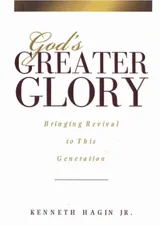
About the Book
"In Him" by Kenneth Hagin is a spiritual guidebook that explores the concept of being in Christ and what it means for believers to have a relationship with Him. The book emphasizes the importance of understanding our identity in Christ and aligning our thoughts and actions with His will. It also highlights the power and authority that believers have access to through their connection with Jesus. Ultimately, "In Him" encourages readers to deepen their faith and walk in victory in every area of life.
A.W. Tozer (Aiden Wilson Tozer)
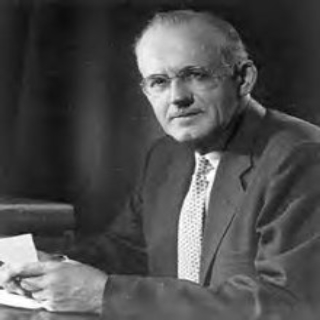 Early life
Tozer hailed from a tiny farming community in western La Jose, Pennsylvania. He was converted to Christianity as a teenager in Akron, Ohio: While on his way home from work at a tire company, he overheard a street preacher say, "If you don't know how to be saved ... just call on God, saying, 'Lord, be merciful to me a sinner.'" Upon returning home, he climbed into the attic and heeded the preacher's advice.
Pastor
In 1919, five years after his conversion and without formal education in Christian theology, Tozer accepted an offer to serve as pastor of his first church. That began 44 years of ministry associated with the Christian and Missionary Alliance (C&MA), a Protestant Evangelical denomination, 33 of them serving as a pastor in several different congregations (his first, a small storefront church in Nutter Fort, West Virginia). Later, he served thirty years (1928 to 1959) as the pastor of Southside Alliance Church in Chicago; the final years of his life he spent as pastor of Avenue Road Church in Toronto, Ontario, Canada. Observing contemporary Christian living, Tozer felt that the church was on a dangerous course toward compromising with "worldly" concerns.
Born into poverty, Tozer was self-educated and taught himself what he missed in high school and university.
Author
Tozer began writing in 1931 for the denominational magazine of the Christian and Missionary Alliance, Alliance Weekly (now Alliance Life), which became the platform from which his writing career emerged. He later wrote the monthly column “There’s Truth in It” (1936–37) and “A Word in Season” (1944–46). In May 1950, he became the editor of the Alliance Weekly, a position he filled until his death in 1963.
At the urging of David W. Fant, publications secretary of the C&MA, Tozer wrote biographies of A. B. Simpson (1943) and Robert A. Jaffray (1947). It was the publication of his third book, The Pursuit of God (1948), that made Tozer a household name among evangelicals. In addition to the 12 books he published in his lifetime, more than 40 other books have been compiled from his magazine features, editorials, and transcribed sermons.
During his lifetime, Tozer’s works were published by Christian Publications, Inc., the denominational press operated by the C&MA. The publishing house declared bankruptcy in 2006 and was purchased by WingSpread Publishers of Camp Hill, Pennsylvania.[8] In November 2013, Moody Publishers acquired Wingspread from parent company Zur Ltd., a transaction that included more than 60 Tozer books and pamphlets. Some of Tozer’s works are now in the public domain and have been issued by multiple publishers.
Personal life
Tozer had seven children, six sons and a daughter. Living a simple and non-materialistic lifestyle, he and his wife, Ada Cecelia Pfautz, never owned a car, preferring bus and train travel. Even after becoming a well-known Christian author, Tozer signed away much of his royalties to those who were in need.
Prayer was of vital personal importance for Tozer. "His preaching as well as his writings were but extensions of his prayer life," comments his biographer, James L. Snyder, in the book In Pursuit of God: The Life Of A.W. Tozer. "He had the ability to make his listeners face themselves in the light of what God was saying to them," writes Snyder.
Death and legacy
Tozer died on May 13, 1963, after suffering a heart attack. He was buried in Chicago, and later the family had his remains reinterred at Ellet Cemetery, Akron, Ohio. A simple marker reads: A. W. Tozer—A Man of God. The Alliance Weekly ran a memorial issue with numerous tributes and excerpts. The same issue also featured “God’s Greatest Gift to Man," a transcription of his final sermon. A few months prior to his death, Tozer had submitted the manuscript to The Christian Book of Mystical Verse, which was released in 1964 as his final book. His official publisher, Christian Publications, released many titles after his death, based on his magazine articles and sermon transcriptions. These continue in print with Moody Publishers. Several other publishers have released his public domain works.
In 2000, The Pursuit of God was named to Christianity Today’s list of 100 “Books of the Century.” In 2006, Knowledge of the Holy was named in “The Top 50 Books That Have Shaped Evangelicals.” Contemporary Christian music artist Lauren Barlow of BarlowGirl later published a compilation of stories told by 59 artists, writers, and leaders about A.W. Tozer’s personal inspiration.
Early life
Tozer hailed from a tiny farming community in western La Jose, Pennsylvania. He was converted to Christianity as a teenager in Akron, Ohio: While on his way home from work at a tire company, he overheard a street preacher say, "If you don't know how to be saved ... just call on God, saying, 'Lord, be merciful to me a sinner.'" Upon returning home, he climbed into the attic and heeded the preacher's advice.
Pastor
In 1919, five years after his conversion and without formal education in Christian theology, Tozer accepted an offer to serve as pastor of his first church. That began 44 years of ministry associated with the Christian and Missionary Alliance (C&MA), a Protestant Evangelical denomination, 33 of them serving as a pastor in several different congregations (his first, a small storefront church in Nutter Fort, West Virginia). Later, he served thirty years (1928 to 1959) as the pastor of Southside Alliance Church in Chicago; the final years of his life he spent as pastor of Avenue Road Church in Toronto, Ontario, Canada. Observing contemporary Christian living, Tozer felt that the church was on a dangerous course toward compromising with "worldly" concerns.
Born into poverty, Tozer was self-educated and taught himself what he missed in high school and university.
Author
Tozer began writing in 1931 for the denominational magazine of the Christian and Missionary Alliance, Alliance Weekly (now Alliance Life), which became the platform from which his writing career emerged. He later wrote the monthly column “There’s Truth in It” (1936–37) and “A Word in Season” (1944–46). In May 1950, he became the editor of the Alliance Weekly, a position he filled until his death in 1963.
At the urging of David W. Fant, publications secretary of the C&MA, Tozer wrote biographies of A. B. Simpson (1943) and Robert A. Jaffray (1947). It was the publication of his third book, The Pursuit of God (1948), that made Tozer a household name among evangelicals. In addition to the 12 books he published in his lifetime, more than 40 other books have been compiled from his magazine features, editorials, and transcribed sermons.
During his lifetime, Tozer’s works were published by Christian Publications, Inc., the denominational press operated by the C&MA. The publishing house declared bankruptcy in 2006 and was purchased by WingSpread Publishers of Camp Hill, Pennsylvania.[8] In November 2013, Moody Publishers acquired Wingspread from parent company Zur Ltd., a transaction that included more than 60 Tozer books and pamphlets. Some of Tozer’s works are now in the public domain and have been issued by multiple publishers.
Personal life
Tozer had seven children, six sons and a daughter. Living a simple and non-materialistic lifestyle, he and his wife, Ada Cecelia Pfautz, never owned a car, preferring bus and train travel. Even after becoming a well-known Christian author, Tozer signed away much of his royalties to those who were in need.
Prayer was of vital personal importance for Tozer. "His preaching as well as his writings were but extensions of his prayer life," comments his biographer, James L. Snyder, in the book In Pursuit of God: The Life Of A.W. Tozer. "He had the ability to make his listeners face themselves in the light of what God was saying to them," writes Snyder.
Death and legacy
Tozer died on May 13, 1963, after suffering a heart attack. He was buried in Chicago, and later the family had his remains reinterred at Ellet Cemetery, Akron, Ohio. A simple marker reads: A. W. Tozer—A Man of God. The Alliance Weekly ran a memorial issue with numerous tributes and excerpts. The same issue also featured “God’s Greatest Gift to Man," a transcription of his final sermon. A few months prior to his death, Tozer had submitted the manuscript to The Christian Book of Mystical Verse, which was released in 1964 as his final book. His official publisher, Christian Publications, released many titles after his death, based on his magazine articles and sermon transcriptions. These continue in print with Moody Publishers. Several other publishers have released his public domain works.
In 2000, The Pursuit of God was named to Christianity Today’s list of 100 “Books of the Century.” In 2006, Knowledge of the Holy was named in “The Top 50 Books That Have Shaped Evangelicals.” Contemporary Christian music artist Lauren Barlow of BarlowGirl later published a compilation of stories told by 59 artists, writers, and leaders about A.W. Tozer’s personal inspiration.
how to find joy in your work
“In the beginning, God created the heavens and the earth” (Genesis 1:1). One of the sadder experiences in our fallen states is so easily losing our sense of wonder in the most familiar things — like the first verse in the Bible, as laden with glory as it is. We easily stop pondering it because we think we understand it, even though we may have only scratched the surface of its meaning. Has it ever hit you that the first verse in the Bible is about work — what God calls his creative activity (Genesis 2:2)? Or that the very first work undertaken is described as creative — not drudgery to avoid? Or that God really enjoyed his work? The more we think about the whole first chapter of Genesis, the more glorious things we see regarding how God views his work, and the wonderful, liberating implications it has on how we are to view our work. God Works for Joy So where do we get the idea that God enjoys his work? From the last verse of the first chapter in the Bible: And God saw everything that he had made, and behold, it was very good. (Genesis 1:31) No, the word “joy” isn’t explicitly there, but it’s there. God doesn’t have sin-disordered affections and emotions like we do. God always experiences the appropriate joy from good work (Philippians 2:13) — even his brutal work on the cross (Hebrews 12:2). And being made in his image, we also receive joy from his work (Psalm 92:4). It’s amazing to think about: the very first thing the Bible teaches us about God is that he engaged in incredibly vigorous, prolonged, creative work, and he enjoyed it— both the work itself and the fruit of his work. God never works just to get a paycheck. God never works to prove himself out of some kind of internal insecurity. He never works to get something he needs, for he provides everything for his creation out of his abundance (Acts 17:25). God’s work is always the overflow of his joy in being the triune God. And as Jonathan Edwards said, “It is no argument of the emptiness or deficiency of a fountain that it is inclined to overflow” (God’s Passion for His Glory, 165). God works for the immediate and ultimate joy of it! We’re Designed to Work for Joy And here’s where the wonderful, liberating implications for us come in. God made us in his image and gives us work to do — work that’s like his: So God created man in his own image, in the image of God he created him; male and female he created them. And God blessed them. And God said to them, “Be fruitful and multiply and fill the earth and subdue it, and have dominion over the fish of the sea and over the birds of the heavens and over every living thing that moves on the earth.” (Genesis 1:27–28) God created us to do work similar to his work and to experience from work similar benefits, appropriate to our capacities. Our work is to be creative (“be fruitful and multiply”), vigorous (“have dominion . . . subdue”), and give us joy (God “blessed” us with his mandate). God always meant for our work to be sharing with him in his work, and sharing his joy. We aren’t meant to work just to get a paycheck, or to prove our worth, or to gain our identity because we’re insecure or prideful. God didn’t design work to be a drudgery, or a necessary evil. That disease infected our work when we fell from grace. What Destroys Our Joy in Work A curse infected our work the day our original forebears trusted the viper’s promise over God’s: “Because you have . . . eaten of the tree of which I commanded you, ‘You shall not eat of it,’ cursed is the ground because of you; in pain you shall eat of it all the days of your life; thorns and thistles it shall bring forth for you; and you shall eat the plants of the field. By the sweat of your face you shall eat bread, till you return to the ground, for out of it you were taken; for you are dust, and to dust you shall return.” (Genesis 3:17–19) This is work as we experience it in this age: lots of sweat-producing effort yielding lots of thorns and thistles. The ground (or its equivalent for us) fights us, our tools fail us, our indwelling, prideful or slothful sin inhibits us, our frail bodies weaken us, other sinners impede us, demons assail us. Like all of creation, our work is subjected to futility by God (Romans 8:20). This is why we often resent or even hate work: our sin and the curse make it so hard. So we avoid work, or we turn it into a pragmatic, mercenary enterprise to buy something or to give us an identity we believe will bring us joy. But that’s not what work is for. We are not meant to prostitute our work to get money or status. God meant our work to creatively and vigorously steward some part of his creation, to be a means of providing for our needs and serve others, and to bring us joy. And God has made that possible, even in this futile age, no matter our circumstances. What Restores Our Joy in Work Here is stunning good news, which brings unconquerable hope, for every worker who will believe it: Therefore, my beloved brothers, be steadfast, immovable, always abounding in the work of the Lord, knowing that in the Lord your labor is not in vain. (1 Corinthians 15:58) Wait, our labor is not in vain? Isn’t that what futility is? Yes! And part of the gospel is that labor done “in the Lord” is not in vain because it cannot ultimately be derailed by the curse of sin. What is labor done “in the Lord”? Does that only apply to “kingdom work”? Yes. But “kingdom work” encompasses everything Christians do: Whatever you do , work heartily, as for the Lord and not for men, knowing that from the Lord you will receive the inheritance as your reward. You are serving the Lord Christ. (Colossians 3:23–24) This means God wants every work we undertake, no matter who we are or what we do, to be a “work of faith” (2 Thessalonians 1:11), done in the strength he supplies (1 Peter 4:11). We give ourselves wholly to God, knowing he bought us with a price (1 Corinthians 6:20), and we do the work he gives our hands to do for his sake. For we serve the Lord Christ, not men and not money. Wherever You Work Even though we still suffer the effects of the curse, the death and resurrection of Jesus, which redeems all things for Christians, liberates our faith-fueled labors from being in vain, and causes them to work for our eternal good and joy (Romans 8:28). He restores our joy in our work. Therefore, my beloved brothers and sisters, whatever God gives your hands to do today, be steadfast, immovable, always abounding in the creative, vigorous, joy-producing work of the Lord.