
Others like the grand miracle Features >>





%20_Ellen%20G%20White-160.webp)


About the Book
"The Grand Miracle" by C.S. Lewis is a collection of essays that explores the core beliefs of Christianity, focusing on the central miracle of the resurrection of Jesus Christ. Lewis delves into the significance of this event and its impact on humanity, arguing that it is the cornerstone of the Christian faith and the key to understanding the nature of God and the universe. The book presents a compelling argument for the truth of Christianity and its transformative power in the lives of believers.
William Carey
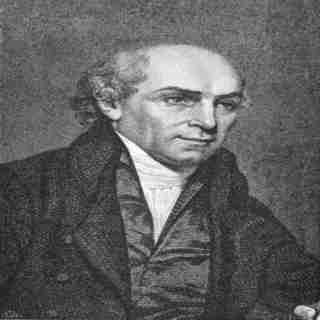 "Expect great things; attempt great things."
At a meeting of Baptist leaders in the late 1700s, a newly ordained minister stood to argue for the value of overseas missions. He was abruptly interrupted by an older minister who said, "Young man, sit down! You are an enthusiast. When God pleases to convert the heathen, he'll do it without consulting you or me."
That such an attitude is inconceivable today is largely due to the subsequent efforts of that young man, William Carey.
Plodder Carey was raised in the obscure, rural village of Paulerpury, in the middle of England. He apprenticed in a local cobbler's shop, where the nominal Anglican was converted. He enthusiastically took up the faith, and though little educated, the young convert borrowed a Greek grammar and proceeded to teach himself New Testament Greek.
When his master died, he took up shoemaking in nearby Hackleton, where he met and married Dorothy Plackett, who soon gave birth to a daughter. But the apprentice cobbler's life was hard—the child died at age 2—and his pay was insufficient. Carey's family sunk into poverty and stayed there even after he took over the business.
"I can plod," he wrote later, "I can persevere to any definite pursuit." All the while, he continued his language studies, adding Hebrew and Latin, and became a preacher with the Particular Baptists. He also continued pursuing his lifelong interest in international affairs, especially the religious life of other cultures.
Carey was impressed with early Moravian missionaries and was increasingly dismayed at his fellow Protestants' lack of missions interest. In response, he penned An Enquiry into the Obligations of Christians to Use Means for the Conversion of the Heathens. He argued that Jesus' Great Commission applied to all Christians of all times, and he castigated fellow believers of his day for ignoring it: "Multitudes sit at ease and give themselves no concern about the far greater part of their fellow sinners, who to this day, are lost in ignorance and idolatry."
Carey didn't stop there: in 1792 he organized a missionary society, and at its inaugural meeting preached a sermon with the call, "Expect great things from God; attempt great things for God!" Within a year, Carey, John Thomas (a former surgeon), and Carey's family (which now included three boys, and another child on the way) were on a ship headed for India.
Stranger in a strange land
Thomas and Carey had grossly underestimated what it would cost to live in India, and Carey's early years there were miserable. When Thomas deserted the enterprise, Carey was forced to move his family repeatedly as he sought employment that could sustain them. Illness racked the family, and loneliness and regret set it: "I am in a strange land," he wrote, "no Christian friend, a large family, and nothing to supply their wants." But he also retained hope: "Well, I have God, and his word is sure."
He learned Bengali with the help of a pundit, and in a few weeks began translating the Bible into Bengali and preaching to small gatherings.
When Carey himself contracted malaria, and then his 5-year-old Peter died of dysentery, it became too much for his wife, Dorothy, whose mental health deteriorated rapidly. She suffered delusions, accusing Carey of adultery and threatening him with a knife. She eventually had to be confined to a room and physically restrained.
"This is indeed the valley of the shadow of death to me," Carey wrote, though characteristically added, "But I rejoice that I am here notwithstanding; and God is here."
Gift of tongues
In October 1799, things finally turned. He was invited to locate in a Danish settlement in Serampore, near Calcutta. He was now under the protection of the Danes, who permitted him to preach legally (in the British-controlled areas of India, all of Carey's missionary work had been illegal).
Carey was joined by William Ward, a printer, and Joshua and Hanna Marshman, teachers. Mission finances increased considerably as Ward began securing government printing contracts, the Marshmans opened schools for children, and Carey began teaching at Fort William College in Calcutta.
In December 1800, after seven years of missionary labor, Carey baptized his first convert, Krishna Pal, and two months later, he published his first Bengali New Testament. With this and subsequent editions, Carey and his colleagues laid the foundation for the study of modern Bengali, which up to this time had been an "unsettled dialect."
Carey continued to expect great things; over the next 28 years, he and his pundits translated the entire Bible into India's major languages: Bengali, Oriya, Marathi, Hindi, Assamese, and Sanskrit and parts of 209 other languages and dialects.
He also sought social reform in India, including the abolition of infanticide, widow burning (sati), and assisted suicide. He and the Marshmans founded Serampore College in 1818, a divinity school for Indians, which today offers theological and liberal arts education for some 2,500 students.
By the time Carey died, he had spent 41 years in India without a furlough. His mission could count only some 700 converts in a nation of millions, but he had laid an impressive foundation of Bible translations, education, and social reform.
His greatest legacy was in the worldwide missionary movement of the nineteenth century that he inspired. Missionaries like Adoniram Judson, Hudson Taylor, and David Livingstone, among thousands of others, were impressed not only by Carey's example, but by his words "Expect great things; attempt great things." The history of nineteenth-century Protestant missions is in many ways an extended commentary on the phrase.
"Expect great things; attempt great things."
At a meeting of Baptist leaders in the late 1700s, a newly ordained minister stood to argue for the value of overseas missions. He was abruptly interrupted by an older minister who said, "Young man, sit down! You are an enthusiast. When God pleases to convert the heathen, he'll do it without consulting you or me."
That such an attitude is inconceivable today is largely due to the subsequent efforts of that young man, William Carey.
Plodder Carey was raised in the obscure, rural village of Paulerpury, in the middle of England. He apprenticed in a local cobbler's shop, where the nominal Anglican was converted. He enthusiastically took up the faith, and though little educated, the young convert borrowed a Greek grammar and proceeded to teach himself New Testament Greek.
When his master died, he took up shoemaking in nearby Hackleton, where he met and married Dorothy Plackett, who soon gave birth to a daughter. But the apprentice cobbler's life was hard—the child died at age 2—and his pay was insufficient. Carey's family sunk into poverty and stayed there even after he took over the business.
"I can plod," he wrote later, "I can persevere to any definite pursuit." All the while, he continued his language studies, adding Hebrew and Latin, and became a preacher with the Particular Baptists. He also continued pursuing his lifelong interest in international affairs, especially the religious life of other cultures.
Carey was impressed with early Moravian missionaries and was increasingly dismayed at his fellow Protestants' lack of missions interest. In response, he penned An Enquiry into the Obligations of Christians to Use Means for the Conversion of the Heathens. He argued that Jesus' Great Commission applied to all Christians of all times, and he castigated fellow believers of his day for ignoring it: "Multitudes sit at ease and give themselves no concern about the far greater part of their fellow sinners, who to this day, are lost in ignorance and idolatry."
Carey didn't stop there: in 1792 he organized a missionary society, and at its inaugural meeting preached a sermon with the call, "Expect great things from God; attempt great things for God!" Within a year, Carey, John Thomas (a former surgeon), and Carey's family (which now included three boys, and another child on the way) were on a ship headed for India.
Stranger in a strange land
Thomas and Carey had grossly underestimated what it would cost to live in India, and Carey's early years there were miserable. When Thomas deserted the enterprise, Carey was forced to move his family repeatedly as he sought employment that could sustain them. Illness racked the family, and loneliness and regret set it: "I am in a strange land," he wrote, "no Christian friend, a large family, and nothing to supply their wants." But he also retained hope: "Well, I have God, and his word is sure."
He learned Bengali with the help of a pundit, and in a few weeks began translating the Bible into Bengali and preaching to small gatherings.
When Carey himself contracted malaria, and then his 5-year-old Peter died of dysentery, it became too much for his wife, Dorothy, whose mental health deteriorated rapidly. She suffered delusions, accusing Carey of adultery and threatening him with a knife. She eventually had to be confined to a room and physically restrained.
"This is indeed the valley of the shadow of death to me," Carey wrote, though characteristically added, "But I rejoice that I am here notwithstanding; and God is here."
Gift of tongues
In October 1799, things finally turned. He was invited to locate in a Danish settlement in Serampore, near Calcutta. He was now under the protection of the Danes, who permitted him to preach legally (in the British-controlled areas of India, all of Carey's missionary work had been illegal).
Carey was joined by William Ward, a printer, and Joshua and Hanna Marshman, teachers. Mission finances increased considerably as Ward began securing government printing contracts, the Marshmans opened schools for children, and Carey began teaching at Fort William College in Calcutta.
In December 1800, after seven years of missionary labor, Carey baptized his first convert, Krishna Pal, and two months later, he published his first Bengali New Testament. With this and subsequent editions, Carey and his colleagues laid the foundation for the study of modern Bengali, which up to this time had been an "unsettled dialect."
Carey continued to expect great things; over the next 28 years, he and his pundits translated the entire Bible into India's major languages: Bengali, Oriya, Marathi, Hindi, Assamese, and Sanskrit and parts of 209 other languages and dialects.
He also sought social reform in India, including the abolition of infanticide, widow burning (sati), and assisted suicide. He and the Marshmans founded Serampore College in 1818, a divinity school for Indians, which today offers theological and liberal arts education for some 2,500 students.
By the time Carey died, he had spent 41 years in India without a furlough. His mission could count only some 700 converts in a nation of millions, but he had laid an impressive foundation of Bible translations, education, and social reform.
His greatest legacy was in the worldwide missionary movement of the nineteenth century that he inspired. Missionaries like Adoniram Judson, Hudson Taylor, and David Livingstone, among thousands of others, were impressed not only by Carey's example, but by his words "Expect great things; attempt great things." The history of nineteenth-century Protestant missions is in many ways an extended commentary on the phrase.
three classes of men
There is an obvious difference in the character and quality of the daily life of Christians. This difference is acknowledged and defined in the New Testament. There is also a possible improvement in the character and quality of the daily life of many Christians. This improvement is experienced by all such Christians who fulfill certain conditions. These conditions, too, form an important theme in the Word of God. The Apostle Paul, by the Spirit, has divided the whole human family into three groups: (1) The "natural man," who is unregenerate, or unchanged spiritually; (2) the "carnal man," who is a "babe in Christ," and walks "as a man"; and (3) the "spiritual" man. These groups are classified by the Apostle according to their ability to understand and receive a certain body of Truth, which is of things "revealed" unto us by the Spirit. Men are vitally different one from the other as regards the fact of the new birth and the life of power and blessing; but their classification is made evident by their attitude toward things revealed. In 1 Cor. 2:9 to 3:4 this threefold classification is stated. The passage opens as follows: "But as it is written, Eye hath not seen, nor ear heard, neither have entered into the heart of man, the things which God hath prepared for them that love him. But God hath revealed them unto us by his Spirit." A distinction is here drawn between those general subjects of human knowledge which are received through the eye-gate, the ear-gate, or the "heart" (the power to reason), and other subjects which are said to have been "revealed" unto us by His Spirit. There is no reference here to any revelation other than that which is already contained in the Scriptures of Truth, and this revelation is boundless, as the passage goes on to state: "For the Spirit [who reveals] searcheth all things, yea, the deep things of God." Men are classified according to their ability to understand and receive the "deep things of God." Into these "deep things of God" no unaided man can go. "For what man knoweth the things of a man, save the spirit of man which is in him? even so the things of God knoweth no man, but the Spirit of God" (knows them). An unaided man may enter freely into the things of his fellow man because of "the spirit of man which is in him." He cannot extend his sphere. He cannot know experimentally the things of the animal world below him, and certainly he cannot enter a higher sphere and know experimentally the things of God. Even though man, of himself, cannot know the things of God, the Spirit knows them, and a man may be so related to the Spirit that he too may know them. The passage continues: "Now we have received, not the spirit of the world, but the Spirit which is of God; that we may know the things [the "deep things of God," which eye hath not seen, etc.] that are freely given us of God." "We [that is, all saved, excluding none] have received the Spirit which is of God." Here is a great potentiality. Being so vitally related to the Spirit of God as to have Him abiding within, it is possible, because of that fact, to come to know "the things that are freely given to us of God." We could never know them of ourselves: the Spirit knows, He indwells, and He reveals. This divine revelation is transmitted to us in "words" which the Holy Spirit teacheth, as the Apostle goes on to state: "Which things also we speak, not in the words which man's wisdom teacheth, but which the Holy Spirit teacheth; comparing spiritual things with spiritual." God's Book is a Book of words and the very words which convey "man's wisdom" are used to convey things which "eye hath not seen, nor ear heard, neither have entered into the heart of man." Nevertheless unaided man cannot understand these "deep things of God," though couched in words most familiar to man, except as they are "revealed" by the Spirit. Just so, in coming to know these revealed things, progress is made only as one spiritual thing is compared with another spiritual thing. Spiritual things must be communicated by spiritual means. Apart from the Spirit there can be no spiritual understanding. The Natural Man "But the natural man receiveth not the things [the revealed or deep things] of the Spirit of God: for they are foolishness unto him: neither can he know them, because they are spiritually discerned." In this passage the natural man is not blamed for his inability. It is simply an accurate statement of the fact of his limitations. The passage also goes on to assign the exact cause of these limitations. We have just been told that revelation is by the Spirit. It therefore follows that the "natural man" is helpless to understand things revealed because he has not received "the Spirit which is of God." He has received only "the spirit of man which is in him." Though he may, with "man's wisdom," be able to read the words, he cannot receive their spiritual meaning. To him the revelation is "foolishness." He cannot "receive" it, or "know" it. The preceding verses of the context (1 Cor. 1:18,23) have defined a part of the divine revelation which is said to be "foolishness" to the "natural man": "For the preaching of the cross is to them that perish foolishness; but unto us which are saved it is the power of God." "But we preach Christ crucified, unto the Jews a stumbling block, and unto the Greeks [Gentiles] foolishness," Much more than the mere historical fact of the death of Christ is here meant. It is the divine unfolding of redemption through grace and includes all the eternal relationships that are made possible thereby. The moral principles and many of the religious teachings of the Bible are within the range of the capacity of the "natural man." From these sources he may eloquently preach; yea, and most seriously, not even knowing that "the deep things of God" exist. Satan, in his counterfeit systems of truth, is said to have "deep things" to reveal (Rev. 2:24) and "doctrines of devils" (1 Tim. 4:1-2) which things, on the other hand, are as certainly not received by the true child of God; for it is said, "And a stranger will they not follow, but will flee from him: for they know not the voice of strangers" (John 10:5). Yet the "deep things" of Satan are strangely adapted to the blinded, "natural man" and are, therefore, received by him. Every modern cult is evidence establishing the truthfulness of this statement. The unsaved man, though educated with all of "man's wisdom," and though religious and attentive, is blind to the gospel (2 Cor. 4:3-4) and if called upon to formulate a doctrinal statement, will naturally formulate a "new theology" which is so "re-stated" as to omit the real meaning of the cross with its unfolding of the "deep things of God." The cross, as a substitutionary sacrifice for sin, is "foolishness" unto him. His very limitations as a "natural man" demand that this shall be so. Human wisdom cannot help him, for "the world by wisdom knew not God." On the other hand, the boundless "deep things of God" are to be "freely" given to the one who has received "the Spirit which is of God." The true child of God may, therefore, be taught the divine revelation, having received the Spirit. A trained mind, it may be added, will greatly assist; but apart from the presence of the indwelling Teacher, a trained mind avails nothing in coming to know the spiritual meaning of the revealed things of God. Measureless evil has arisen through the supposition that because a man is well advanced in the "wisdom of this world," his opinions are of value in spiritual matters. The "natural man," with all his learning and sincerity, will find nothing but "foolishness" in the things which are revealed by the Spirit. The knowledge of science cannot be substituted for the indwelling of, and right relation to, the Holy Spirit of God. Apart from the Spirit there can be no regeneration, and the "deep things of God" are unknowable. When an unregenerate teacher openly rejects the vital saving truths of God's Word, those truths will usually be discredited and discarded by the pupil. This is the colossal blunder of many students in universities and colleges today. It is too generally assumed that the teacher or preacher who is an authority in some branch or branches of human knowledge is, by virtue of that knowledge, equally capable of discernment in spiritual things. It is not so. An unregenerate person (and who is more assuredly unregenerate than the one who denies the foundation and reality of the new birth?) will always be incapable of receiving and knowing the simplest truths of revelation. God is not a reality to the natural man. "God is not in all his thoughts." The unsaved man is therefore distressed and burdened to dispose of the supernatural. A baseless theory of evolution is his best answer to the problem of the origin of the universe. To the regenerate man, God is real and there is satisfaction and rest in the confidence that God is Creator and Lord of all. The ability to receive and know the things of God is not attained through the schools, for many who are unlearned possess it while many who are learned do not possess it. It is an ability which is born of the indwelling Spirit. For this reason the Spirit has been given to those who are saved that they might know the things which are freely given to them of God. Yet among Christians there are some who are under limitations because of their carnality. They are unable to receive "meat" because of carnality, rather than ignorance. There are no divine classifications among the unsaved, for they are all said to be "natural" men. There are, however, two classifications of the saved, and in the text under consideration, the "spiritual" man is named before the "carnal" man and is thus placed in direct contrast with the unsaved. This is fitting because the "spiritual" man is the divine ideal. "HE THAT IS SPIRITUAL" (1 Cor. 2:15) is the normal, if not the usual, Christian. But there is a "carnal" man and he must be considered. The Carnal Man The Apostle proceeds in chapter 3:1-4 with the description of the "carnal" man: "And I, brethren, could not speak unto you as unto spiritual, but as unto carnal, even as unto babes in Christ. I have fed you with milk, and not with meat: for hitherto ye were not able to bear it, neither yet now are ye able. For ye are yet carnal: for whereas there is among you envying, and strife, and divisions, are ye not carnal, and walk as men? For while one saith, I am of Paul; and another, I am of Apollos; are ye not carnal?" Some Christians, thus, are said to be "carnal" because they can receive only the milk of the Word, in contrast to the strong meat; they yield to envy, strife and divisions, and are walking as men, while the true child of God is expected to "walk in the Spirit" (Gal. 5:16), to "walk in love" (Eph. 5:2), and to "keep the unity of the Spirit" (Eph. 4:3). Though saved, the carnal Christians are walking "according to the course of this world." They are "carnal" because the flesh is dominating them (See Rom. 7:14). A different description is found in Rom. 8:5-7. There the one referred to is "in the flesh," and so is unsaved; while a "carnal" Christian is not "in the flesh," but he has the flesh in him. "But ye are not in the flesh, but in the Spirit if so be that the Spirit of God dwell in you. Now if any man have not the Spirit of Christ, he is none of his." The "carnal" man, or "babe in Christ," is not "able to bear" the deep things of God. He is only a babe; but even that, it is important to note, is a height of position and reality which can never be compared with the utter incapacity of the "natural man." The "carnal" man, being so little occupied with true spiritual meat, yields to envy and strife which lead to divisions among the very believers. No reference is made here to the superficial fact of outward divisions or various organizations. It is a reference to envy and strife which were working to sunder the priceless fellowship and love of the saints. Different organizations may often tend to class distinctions among the believers, but it is not necessarily so. The sin which is here pointed out is that of the believer who follows human leaders. This sin would not be cured were all the religious organizations instantly swept from the earth, or merged into one. There were present the "Paulites," the "Cephasites," the "Apollosites" and the "Christites" (cf. 1:12). These were not as yet rival organizations, but divisions within the Corinthian church that grew out of envy and strife. History shows that such divisions end in rival organizations. The fact of division was but the outward expression of the deeper sin of loveless, carnal lives. For a Christian to glory in sectarianism is "baby talk" at best, and reveals the more serious lack of true Christian love which should flow out to all the saints. Divisions will fade away and their offense will cease when the believers "have love one for the other." But the "carnal" Christian is also characterized by a "walk" that is on the same plane as that of the "natural" man. "Are ye not carnal, and walk as men (cf. 2 Cor. 10:2-5). The objectives and affections are centered in the same unspiritual sphere as that of the "natural" man. In contrast to such a fleshly walk, we read: "This I say then, Walk in the Spirit, and ye shall not fulfill the lust of the flesh." This is spirituality. The Spiritual Man The second classification of believers in this passage is of the spiritual man. He, too, is proven to be all that he is said to be by one test of his ability to receive and know the divine revelation. "He that is spiritual discerneth all things." The progressive order of this whole context is evident: First, the divine revelation is now given. It is concerning things which, "eye hath not seen, nor ear heard, neither have entered into the heart of man." It is revealed by the Spirit (1 Cor. 2:9-10). Second, the revelation is of the "deep things of God," which no man can know. However the Spirit knows them (1 Cor. 2:10). Third, believers have received the Spirit who knows, in order that they too may know the deep things of God (1 Cor. 2:12). Fourth, the divine wisdom is hidden in the very words of God's Book; but the spiritual content of these words is understood only as one is able to compare spiritual things with spiritual (1 Cor. 2:13). Fifth, the "natural man" cannot receive the things of the Spirit of God, for they are foolishness unto him, neither can he know them, because they are only by the Spirit discerned. He has not received the Spirit which is of God (1 Cor. 2:14). Sixth, a carnal Christian is born again and possesses the indwelling Spirit; but his carnality hinders the full ministry of the Spirit (1 Cor. 3:1-4). Seventh, "HE THAT IS SPIRITUAL" discerneth all things. There is no limitation upon him in the realm of the things of God. He can "freely" receive the divine revelation and he glories in it. He, too, may enter, as any other man, into the subjects which are common to human knowledge. He discerneth all things; yet he is discerned, or understood by no man. How could it be otherwise since he has "the mind of Christ?" There are two great spiritual changes which are possible to human experience—the change from the "natural" man to the saved man, and the change from the "carnal" man to the " spiritual" man. The former is divinely accomplished when there is a real faith in Christ; the latter is accomplished when there is a real adjustment to the Spirit. Experimentally the one who is saved through faith in Christ, may at the same time wholly yield to God and enter at once a life of true surrender. Doubtless this is often the case. It was thus in the experience of Saul of Tarsus (Acts 9:4-6). Having recognized Jesus as his Lord and Saviour, he also said, "Lord, what wilt thou have me to do?" There is no evidence that he ever turned from this attitude of yieldedness to Christ. However, it must be remembered that many Christians are carnal. To these the word of God gives clear directions as to the steps to be taken that they may become spiritual. There is then a possible change from the carnal to the spiritual state. The "spiritual" man is the divine ideal in life and ministry, in power with God and man, in unbroken fellowship and blessing. To discover these realities and the revealed conditions upon which all may be realized is the purpose of the following pages. From He That Is Spiritual by Lewis Sperry Chafer. New edition, rev. and enl. Philadelphia: Sunday School Times Company, ©1918.