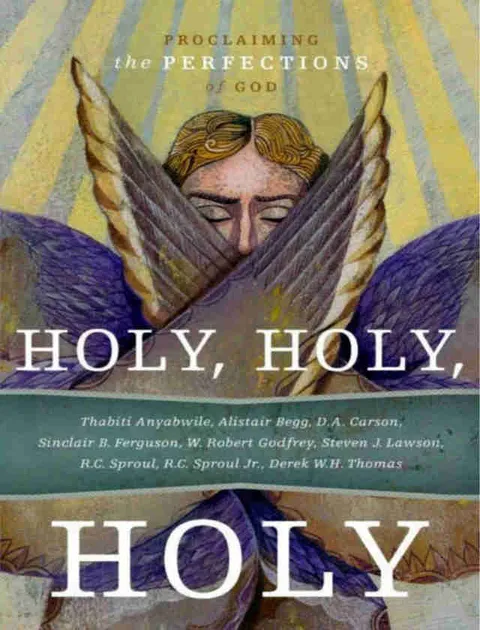

Others like the holiness of god Features >>
The Coming Of God's Kingdom
The Cost Of Discipleship
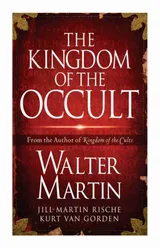
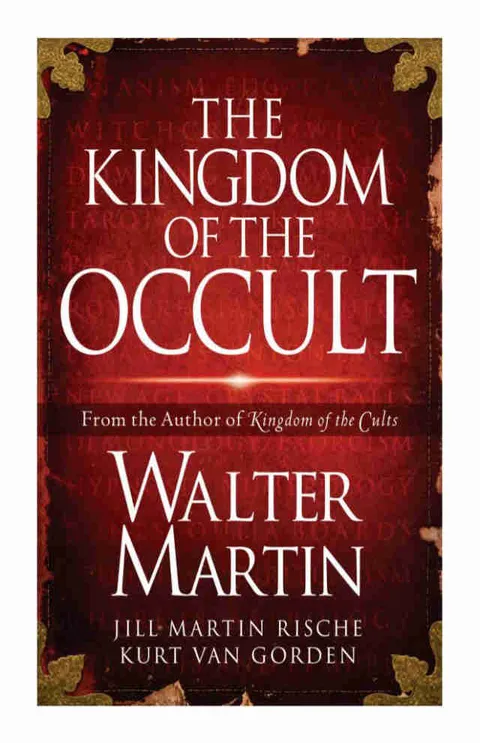
The Kingdom Of The Occult
The Sons Of God, The Flood, The Tower Of Babel
-160.webp)
The Genesis Flood (The Biblical Records And Its Scientific Implications)
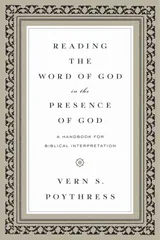
Reading The Word Of God In The Presence Of God: A Handbook For Biblical Interpretation
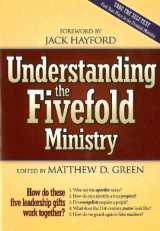
Understanding The Fivefold Ministry
The Fundamentals - A Testimony To The Truth Volume 3
The Better Covenant

Mere Christianity
About the Book
"The Holiness of God" by R.C. Sproul explores the concept of God's holiness and its impact on humanity. Sproul delves into the biblical teachings on God's holiness, highlighting its purity, righteousness, and perfection. He also discusses how recognizing God's holiness should lead to a sense of awe, reverence, and humility in our relationship with Him. Ultimately, Sproul emphasizes the importance of understanding and honoring the holiness of God in our lives.
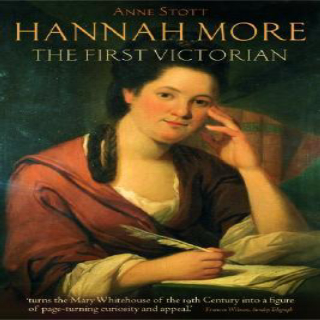
Hannah More
 Beyond any doubt, Hannah More was the most influential female member of the Society for Effecting the Abolition of the African Slave Trade. She was educated at Bristol, an important slave-trading town, and began to publish her writing in the 1760s, while she was still a teenager. Her first play, The Inflexible Captive, was staged at Bath in 1775. Later in the 1770s, and for much of the 1780s, she spent time in London and made the acquaintance of many important political and society figures, including Samuel Johnson, Edmund Burke, and Elizabeth Montagu. Her play Percy was produced by David Garrick in 1777, and Fatal Falsehood was staged in 1779, but she came to regard the theatre as morally wrong, especially after the death of her mentors; Garrick and Johnson. She turned to religious writing, beginning with her Sacred Dramas in 1782. In 1784-5, she 'discovered' Ann Yearsley, the so-called 'poetical milkmaid of Bristol', whose poems More helped to publish, although the two later fell out.
In the 1780s, More widened her circle to include religious and philanthropic figures, including John Newton, Beilby Porteus and William Wilberforce. In the summer of 1786, she spent time with Sir Charles and Lady Margaret Middleton at the their home in Teston in Kent. Among their guests were the local vicar James Ramsay and a young Thomas Clarkson, both of whom were central to the early abolition campaign. More and Clarkson met again in Bristol in 1787, while he was on his fact-finding mission to the city, but they did not become close. However, in the same year More met Wilberforce, and their friendship was to become a deep and lasting one. More contributed much to the running of the newly-founded Abolition Society including, in February 1788, her publication of Slavery, a Poem which has been recognised as one of the more important slavery poems of the abolition period. Her relationship with members of the society, especially Wilberforce, was close. For example, she spent the summer of 1789 holidaying with Wilberforce in the Peak District - planning for the abolition campaign, at that time at its height, formed a great deal of their conversation.
By the mid-1790s, More had become closely involved with the 'Clapham Sect' of evangelical Christians, many of whom were involved in the abolition campaign. The group centred on Henry Thornton's home in Clapham and included Wilberforce, James Stephen, and Zachary Macaulay, among others. Throughout the 1790s, she wrote a number of religious tracts, known as the Cheap Repository Tracts, that eventually led to the formation of the Religious Tracts Society. Several of the Tracts oppose slavery and the slave trade, in particular, the poem The Sorrows of Yamba; or, The Negro Woman's Lamentation, which appeared in November 1795 and which was co-authored with Eaglesfield Smith. However, the tracts have also been noted for their encouragement of social quietism in an age of revolution. She continued to oppose slavery throughout her life, but at the time of the Abolition Bill of 1807, her health did not permit her to take as active a role in the movement as she had done in the late 1780s, although she maintained a correspondence with Wilberforce and others. In her later life, she dedicated much time to religious writing. Nevertheless, her most popular work was a novel, Coelebs in Search of a Wife, which appeared in two volumes in 1809 (and which ran to nine editions in 1809 alone). In the 1820s she grew gradually less well, and decreased - but did not entirely halt - the amount of writing she produced. On her death in 1833, she left more than £30,000 to charities and religious societies (equivalent to about £2,000,000 or $3,000,000 in 2004).
© Brycchan Carey 2004
Beyond any doubt, Hannah More was the most influential female member of the Society for Effecting the Abolition of the African Slave Trade. She was educated at Bristol, an important slave-trading town, and began to publish her writing in the 1760s, while she was still a teenager. Her first play, The Inflexible Captive, was staged at Bath in 1775. Later in the 1770s, and for much of the 1780s, she spent time in London and made the acquaintance of many important political and society figures, including Samuel Johnson, Edmund Burke, and Elizabeth Montagu. Her play Percy was produced by David Garrick in 1777, and Fatal Falsehood was staged in 1779, but she came to regard the theatre as morally wrong, especially after the death of her mentors; Garrick and Johnson. She turned to religious writing, beginning with her Sacred Dramas in 1782. In 1784-5, she 'discovered' Ann Yearsley, the so-called 'poetical milkmaid of Bristol', whose poems More helped to publish, although the two later fell out.
In the 1780s, More widened her circle to include religious and philanthropic figures, including John Newton, Beilby Porteus and William Wilberforce. In the summer of 1786, she spent time with Sir Charles and Lady Margaret Middleton at the their home in Teston in Kent. Among their guests were the local vicar James Ramsay and a young Thomas Clarkson, both of whom were central to the early abolition campaign. More and Clarkson met again in Bristol in 1787, while he was on his fact-finding mission to the city, but they did not become close. However, in the same year More met Wilberforce, and their friendship was to become a deep and lasting one. More contributed much to the running of the newly-founded Abolition Society including, in February 1788, her publication of Slavery, a Poem which has been recognised as one of the more important slavery poems of the abolition period. Her relationship with members of the society, especially Wilberforce, was close. For example, she spent the summer of 1789 holidaying with Wilberforce in the Peak District - planning for the abolition campaign, at that time at its height, formed a great deal of their conversation.
By the mid-1790s, More had become closely involved with the 'Clapham Sect' of evangelical Christians, many of whom were involved in the abolition campaign. The group centred on Henry Thornton's home in Clapham and included Wilberforce, James Stephen, and Zachary Macaulay, among others. Throughout the 1790s, she wrote a number of religious tracts, known as the Cheap Repository Tracts, that eventually led to the formation of the Religious Tracts Society. Several of the Tracts oppose slavery and the slave trade, in particular, the poem The Sorrows of Yamba; or, The Negro Woman's Lamentation, which appeared in November 1795 and which was co-authored with Eaglesfield Smith. However, the tracts have also been noted for their encouragement of social quietism in an age of revolution. She continued to oppose slavery throughout her life, but at the time of the Abolition Bill of 1807, her health did not permit her to take as active a role in the movement as she had done in the late 1780s, although she maintained a correspondence with Wilberforce and others. In her later life, she dedicated much time to religious writing. Nevertheless, her most popular work was a novel, Coelebs in Search of a Wife, which appeared in two volumes in 1809 (and which ran to nine editions in 1809 alone). In the 1820s she grew gradually less well, and decreased - but did not entirely halt - the amount of writing she produced. On her death in 1833, she left more than £30,000 to charities and religious societies (equivalent to about £2,000,000 or $3,000,000 in 2004).
© Brycchan Carey 2004
A Letter to Younger Me About Money
If you listen to anyone in their senior years long enough, you’ll eventually hear something like, “If I knew then what I know now . . . ” But seniors aren’t the only ones who feel that way. At age thirty, I find myself already saying the same thing about money. Recently, I left a financial planning firm after working as a creative director and wealth coach. I learned more in one year about financial stewardship than I had learned in my first 29 years of life. While working at the firm, I discovered the sorry state of my family’s finances. I knew we weren’t great with money, but I didn’t realize the extent of our financial ignorance and problems. I also discovered that I wasn’t alone. After six months at the firm, I was able to counsel clients who needed basic financial coaching, and it wasn’t pretty. Regardless of income, most were living paycheck to paycheck, and they were up to their eyeballs in debt. Today, twenty-somethings are bombarded with opportunities to make poor financial decisions. At the relatively young age of thirty, I often find myself saying, “I wish I knew at twenty what I know today about money.” If I could have a conversation with my twenty-year-old self about money, here are three things I would tell him. 1. Money cannot buy you happiness. Throughout my twenties, I viewed money as the solution to most of my problems. This belief dictated how I spent my time and, ultimately, my earnings. At one point, I had seven jobs while pursuing a master’s degree. But I was still broke and in debt, and I never finished my studies. Rather than a source of joy, money became a cruel master (Matthew 6:24). What I’ve discovered is that my experience is all too common. The sad thing is that so few of us seem to learn from our mistakes. We keep trying to pursue happiness through more money. Some will point to studies that suggest there’s a correlation between money and happiness. One article reported that each additional dollar earned per year reduces people’s negative emotions — but that effect disappears at about $200,000 annually. In other words, money is a limited help at best, and certainly doesn’t buy lasting happiness, as any honest observer of wealthy people can quickly perceive. Ultimately, money is a means to an end. A dollar or a piece of gold is only as valuable as what we can trade for it. And money is dangerous. It gives the illusion of granting access to anything. So we can easily elevate it to the throne that should be reserved only for our ultimate provider: God, the giver of all good things. So I would tell my twenty-year-old self: Don’t try to buy happiness with money. This would have dramatically changed my finances, especially with regard to debt. 2. Don’t borrow money carelessly. In my twenties, I borrowed foolishly, and I’m still paying for it. From student loans to credit cards, I went into debt without giving it a second thought. Debt allowed me to get what I wanted when I wanted it. And the best part? I didn’t have to wait or ask for permission. This is the great temptation every twenty-something faces in an age when money is so easily borrowed. The Bible doesn’t condemn debt as inherently sinful, but it clearly warns us that money shouldn’t be borrowed haphazardly. And Scripture also tells us that when we incur a debt, it is evil not to pay what we owe. Romans 13:8 says, “Let no debt remain outstanding, except the continuing debt to love one another” (NIV). And Psalm 37:21 says, “The wicked borrows and does not repay, but the righteous shows mercy and gives” (NKJV). If I could counsel my twenty-year-old self on debt, here’s what I would say: Don’t borrow money unless you absolutely have to. There is too much at stake to borrow money without giving it careful thought. If you’re considering a credit card or a loan, count the costs, and beware of the risks. And once in debt, I would say, Make a plan to eliminate it as soon as possible. 3. Save, give, and spend money proactively. “A wise man thinks ahead; a fool doesn’t and even brags about it!” (Proverbs 13:16 TLB). One of the worst mistakes I made with money was failing to plan wisely. When I received a paycheck or extra cash, I lacked direction. Like the fool in that Proverb, I was proud that I didn’t budget. I absolutely hated the idea. Budgeting felt intimidating and seemed like a lot of work. Besides, as long as I didn’t plan, I could remain in denial that I was a poor steward of the resources God had given me. I could pretend I was giving and spending wisely and no one could confirm or deny it. And I could make spending decisions based mostly on my feelings. This felt like freedom, but it wasn’t. Now I would say this to my foolish twenty-year-old self: Making a plan for your money may help give you dominion over it. Being planless is not being free; being planless makes you a slave to money. But a good financial plan turns money into your slave to serve what you really value. You will be empowered to save, give, and spend money proactively rather than reactively. It’s Not Too Late to Change Hindsight is indeed twenty-twenty. And it’s not like I now manage money perfectly. Even though I understand more now how to handle money, I don’t always act on my knowledge. But over the last year, I’ve come a long way. And if I can’t help my twenty-year-old self, I hope I can help others avoid the mistakes I made, or help them make changes like I’ve had to make. No matter how old we are, it’s not too late to correct our course. We’re never too old to stop trying to buy happiness with money, or to get out of debt as soon as possible, or to begin governing money instead of being governed by money. We want to serve God and not money (Matthew 6:24). But the less intentional we are with our money, the more likely we will end up serving it, for good stewardship is impossible without intentionality. Article by Phillip Holmes
-480.webp)