

Others like your identity in christ Features >>
Raised With Christ - How The Resurrection Changes Everything

The Consecrated Way To Christian Perfection
Your Life In Christ
Who Am I: Identity In Christ

Body Of Christ: A Reality
Total Commitment To Christ What Is It
In The School Of Christ - Lessons On Holiness In John 13–17

Be Complete
Humility
-160.webp)
The Gift Of Prophecy
About the Book
"Your Identity In Christ" by Matthew Robert Payne explores the importance of understanding and embracing our identity as believers in Christ. Payne delves into the significance of knowing who we are in Christ and how this knowledge can impact our lives and relationships. The book encourages readers to embrace their true identity in Christ and live a life that reflects this truth.
Warren Wiersbe
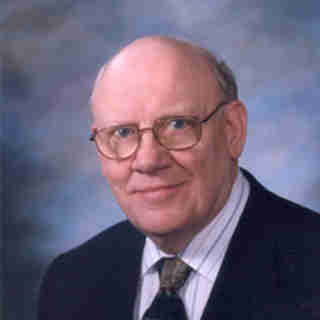 Dr. Warren Wiersbe once described Heaven as “not only a destination, but also a motivation. When you and I are truly motivated by the promise of eternity with God in heaven, it makes a difference in our lives.”
For Wiersbe, the promise of eternity became the motivation for his long ministry as a pastor, author, and radio speaker. Beloved for his biblical insight and practical teaching, he was called “one of the greatest Bible expositors of our generation” by the late Billy Graham.
Warren W. Wiersbe died on May 2, 2019, in Lincoln, Nebraska, just a few weeks shy of his 90th birthday.
“He was a longtime, cherished friend of Moody Bible Institute, a faithful servant of the Word, and a pastor to younger pastors like me,” said Dr. Mark Jobe, president of Moody Bible Institute. “We are lifting up pastor Wiersbe’s family in prayer at this time and rejoicing in the blessed hope that believers share together.”
Wiersbe grew up in East Chicago, Indiana, a town known for its steel mills and hard-working blue-collar families. In his autobiography, he connected some of his earliest childhood memories to Moody Bible Institute; his home church pastor was a 1937 graduate, Dr. William H. Taylor. After volunteering to usher at a 1945 Youth for Christ rally, Wiersbe found himself listening with rapt attention to Billy Graham’s sermon, and responded with a personal prayer of dedication.
In a precocious turn of events, the young Wiersbe was already a published author, having written a book of card tricks for the L. L. Ireland Magic Co. of Chicago. He quickly learned to liven up Sunday school lessons with magic tricks as object lessons (“not the cards!” he would say). After his high school graduation in 1947 (he was valedictorian), he spent a year at Indiana University before transferring to Northern Baptist Seminary in Chicago, where he earned a bachelor of theology degree. His future wife, Betty, worked in the school library, and Wiersbe was a frequent visitor.
While in seminary he became pastor of Central Baptist Church in East Chicago, serving until 1957. During those years he became a popular YFC speaker, which led to a full-time position with Youth for Christ International in Wheaton. He published his first article for Moody Monthly magazine in 1956, about Bible study methods, and seemed to outline his ongoing writing philosophy. “This is more of a personal testimony,” he said, “because I want to share these blessings with you, rather than write some scholarly essay, which I am sure I could not do anyway.”
At a 1957 YFC convention in Winona Lake, Indiana, Wiersbe preached a sermon that was broadcast live over WMBI, his first connection to Moody Radio. “I wish every preacher could have at least six months’ experience as a radio preacher,” he said later (because they would preach shorter).
While working with Youth for Christ, Wiersbe got a call from Pete Gunther at Moody Publishers, asking about possible book projects. First came Byways of Blessing (1961), an adult devotional; then two more books in 1962, A Guidebook for Teens and Teens Triumphant. He would eventually publish 14 titles with Moody, including William Culbertson: A Man of God (1974), Live Like a King (1976), The Annotated Pilgrim’s Progress (1980), and Ministering to the Mourning (2006), written with his son, David Wiersbe.
In 1961, D. B. Eastep invited Wiersbe to join the staff of Calvary Baptist Church in Covington, Kentucky. forming a succession plan that was hastened by Eastep’s sudden death in 1962. Warren and Betty Wiersbe remained at the church for 10 years, until they were surprised by a phone call from The Moody Church. The pastor, Dr. George Sweeting, had just resigned to become president of Moody Bible Institute. Would Wiersbe fill the pulpit, and pray about becoming a candidate?
He was already well known to the Chicago church—and to the MBI community. He continued to write for Moody Monthly and had just started a new column, “Insights for the Pastor.” The monthly feature continued to run during the years Wiersbe served at The Moody Church. Wiersbe would become one of the magazine’s most prolific writers—200 articles during a 40-year span. Meanwhile he also started work on the BE series of exegetical commentaries, books that soon found a place on the shelf of every evangelical pastor.
His ministry to pastors continued as he spoke at Moody Founder’s Week, Pastors’ Conference, and numerous campus events. He also inherited George Sweeting’s role as host of the popular Songs in the Night radio broadcast, produced by Moody Radio’s Bob Neff and distributed on Moody’s growing network of radio stations.
Later in life he would move to Lincoln, Nebraska, where he served as host of the Back to the Bible radio broadcast. He also taught courses on preaching at Trinity Evangelical Divinity School and Grand Rapids Baptist Seminary. He kept writing, eventually publishing more than 150 books and losing track of how many (“I can’t remember them all, and I didn’t save copies of everything,” he said.)
Throughout his ministry, Warren Wiersbe described himself as a bridge builder, a reference to his homiletical method of moving “from the world of the Bible to the world of today so that we could get to the other side of glory in Jesus.” As explained by his grandson, Dan Jacobson, “His preferred tools were words, his blueprints were the Scriptures, and his workspace was a self-assembled library.”
Several of Wiersbe’s extended family are Moody alums, including a son, David Wiersbe ’76; grandson Dan Jacobsen ’09 and his wife, Kristin (Shirk) Jacobsen ’09; and great-nephew Ryan Smith, a current student.
During his long ministry and writing career, Warren Wiersbe covered pretty much every topic, including the inevitability of death. These words from Ministering to the Mourning offer a fitting tribute to his own ministry:
We who are in Christ know that if He returns before our time comes to die, we shall be privileged to follow Him home. God’s people are always encouraged by that blessed hope. Yet we must still live each day soberly, realizing that we are mortal and that death may come to us at any time. We pray, “Teach us to number our days aright, that we may gain a heart of wisdom” (Psalm 90:12).
Dr. Warren Wiersbe once described Heaven as “not only a destination, but also a motivation. When you and I are truly motivated by the promise of eternity with God in heaven, it makes a difference in our lives.”
For Wiersbe, the promise of eternity became the motivation for his long ministry as a pastor, author, and radio speaker. Beloved for his biblical insight and practical teaching, he was called “one of the greatest Bible expositors of our generation” by the late Billy Graham.
Warren W. Wiersbe died on May 2, 2019, in Lincoln, Nebraska, just a few weeks shy of his 90th birthday.
“He was a longtime, cherished friend of Moody Bible Institute, a faithful servant of the Word, and a pastor to younger pastors like me,” said Dr. Mark Jobe, president of Moody Bible Institute. “We are lifting up pastor Wiersbe’s family in prayer at this time and rejoicing in the blessed hope that believers share together.”
Wiersbe grew up in East Chicago, Indiana, a town known for its steel mills and hard-working blue-collar families. In his autobiography, he connected some of his earliest childhood memories to Moody Bible Institute; his home church pastor was a 1937 graduate, Dr. William H. Taylor. After volunteering to usher at a 1945 Youth for Christ rally, Wiersbe found himself listening with rapt attention to Billy Graham’s sermon, and responded with a personal prayer of dedication.
In a precocious turn of events, the young Wiersbe was already a published author, having written a book of card tricks for the L. L. Ireland Magic Co. of Chicago. He quickly learned to liven up Sunday school lessons with magic tricks as object lessons (“not the cards!” he would say). After his high school graduation in 1947 (he was valedictorian), he spent a year at Indiana University before transferring to Northern Baptist Seminary in Chicago, where he earned a bachelor of theology degree. His future wife, Betty, worked in the school library, and Wiersbe was a frequent visitor.
While in seminary he became pastor of Central Baptist Church in East Chicago, serving until 1957. During those years he became a popular YFC speaker, which led to a full-time position with Youth for Christ International in Wheaton. He published his first article for Moody Monthly magazine in 1956, about Bible study methods, and seemed to outline his ongoing writing philosophy. “This is more of a personal testimony,” he said, “because I want to share these blessings with you, rather than write some scholarly essay, which I am sure I could not do anyway.”
At a 1957 YFC convention in Winona Lake, Indiana, Wiersbe preached a sermon that was broadcast live over WMBI, his first connection to Moody Radio. “I wish every preacher could have at least six months’ experience as a radio preacher,” he said later (because they would preach shorter).
While working with Youth for Christ, Wiersbe got a call from Pete Gunther at Moody Publishers, asking about possible book projects. First came Byways of Blessing (1961), an adult devotional; then two more books in 1962, A Guidebook for Teens and Teens Triumphant. He would eventually publish 14 titles with Moody, including William Culbertson: A Man of God (1974), Live Like a King (1976), The Annotated Pilgrim’s Progress (1980), and Ministering to the Mourning (2006), written with his son, David Wiersbe.
In 1961, D. B. Eastep invited Wiersbe to join the staff of Calvary Baptist Church in Covington, Kentucky. forming a succession plan that was hastened by Eastep’s sudden death in 1962. Warren and Betty Wiersbe remained at the church for 10 years, until they were surprised by a phone call from The Moody Church. The pastor, Dr. George Sweeting, had just resigned to become president of Moody Bible Institute. Would Wiersbe fill the pulpit, and pray about becoming a candidate?
He was already well known to the Chicago church—and to the MBI community. He continued to write for Moody Monthly and had just started a new column, “Insights for the Pastor.” The monthly feature continued to run during the years Wiersbe served at The Moody Church. Wiersbe would become one of the magazine’s most prolific writers—200 articles during a 40-year span. Meanwhile he also started work on the BE series of exegetical commentaries, books that soon found a place on the shelf of every evangelical pastor.
His ministry to pastors continued as he spoke at Moody Founder’s Week, Pastors’ Conference, and numerous campus events. He also inherited George Sweeting’s role as host of the popular Songs in the Night radio broadcast, produced by Moody Radio’s Bob Neff and distributed on Moody’s growing network of radio stations.
Later in life he would move to Lincoln, Nebraska, where he served as host of the Back to the Bible radio broadcast. He also taught courses on preaching at Trinity Evangelical Divinity School and Grand Rapids Baptist Seminary. He kept writing, eventually publishing more than 150 books and losing track of how many (“I can’t remember them all, and I didn’t save copies of everything,” he said.)
Throughout his ministry, Warren Wiersbe described himself as a bridge builder, a reference to his homiletical method of moving “from the world of the Bible to the world of today so that we could get to the other side of glory in Jesus.” As explained by his grandson, Dan Jacobson, “His preferred tools were words, his blueprints were the Scriptures, and his workspace was a self-assembled library.”
Several of Wiersbe’s extended family are Moody alums, including a son, David Wiersbe ’76; grandson Dan Jacobsen ’09 and his wife, Kristin (Shirk) Jacobsen ’09; and great-nephew Ryan Smith, a current student.
During his long ministry and writing career, Warren Wiersbe covered pretty much every topic, including the inevitability of death. These words from Ministering to the Mourning offer a fitting tribute to his own ministry:
We who are in Christ know that if He returns before our time comes to die, we shall be privileged to follow Him home. God’s people are always encouraged by that blessed hope. Yet we must still live each day soberly, realizing that we are mortal and that death may come to us at any time. We pray, “Teach us to number our days aright, that we may gain a heart of wisdom” (Psalm 90:12).
Blessed Are the Unoffendable
I remember the flush of embarrassment that came to my face as I realized that my friend was letting me know I hadn’t been invited to be a part of the group of women she was meeting with regularly — and not by accident. I tried to navigate the moment, relieving the tension by telling her not to worry about it. I let her know that my plate was full with doctors’ appointments and kids’ activities. “I couldn’t join the group even if I were asked!” I laughed, doing all I could to keep her from feeling sorry for me. And my words were true. I really did have a plate too full to add anything else. I really didn’t want her to worry about it. Yet my hot cheeks and thumping heart told the secret I was trying to conceal — I was fighting the impulse to take offense. Shutting the Gates I knew well enough how destructive becoming offended can be. Proverbs 18:19 says, “A brother offended is more unyielding than a strong city.” What horrible strength there is in taking up an offense! Offended people can become unassailable. Recalcitrant. Too hard-hearted to hear an appeal. When we are offended, we believe ourselves to have the moral high ground; therefore, we feel justified in making the one who has offended us a villain. I thought I was on the inside of this particular group of friends, only to discover I was not. My sense of where I fit in with others was challenged in a painful way. I could choose to accept it with goodwill toward these sisters and lean on my Savior who has called me his friend, or I could get tough — hard as nails — like an unyielding strong city whose gates have been shut and whose pride has locked out the offending parties. “Offended people become unassailable. Recalcitrant. Too hard-hearted to hear an appeal.” The Scriptures show us many instances of Jesus causing offense. He offends his hometown crowd. He offends Pharisees and scribes. He is the stone of stumbling and rock of offense. This is no big surprise to Christians. We aren’t shocked that the Pharisees or the hometown crowd are resentful and outraged by his superior understanding and his mighty deeds. From our vantage point, it isn’t too hard to see that when Jesus challenges their view of reality, he’s always right. We can see their blind spots and pride and how that pride makes them easily offended. But it’s much harder to spot the pride when we’re the one being offended, and when the offender is someone other than the perfect Jesus. The Drug of Offendedness What do we do when we’re offended by one another? What do we do if the offense given or taken is a result of carelessness, or thin skin, or personality differences, or unintentionally missing the mark, or sinfulness in ourselves or others? First, remember that when others are offensive in a truly sinful way, their offense is against God first and foremost. Sin against us feels personal, because it often is personal. But it’s significantly more personal to God, who doesn’t just relate to us, but who created us. God is patient with those who have offended his holiness. But he will not wait forever. And for those who are united to his Son through faith, their offenses against him have been extinguished at the cross. Second, it is good to remember that God has made a way for us to deal with a legitimate offense. We can follow the instructions of our Lord and go to that person directly in the hopes of gaining our brother (Matthew 18:15). We don’t ever need to stay offended. Even when we don’t gain our brother by going to him, we don’t have to live in our offended state; we can lay that down at the cross. And laying our offense there, we can take a posture that is eager for reconciliation, should God grant it. But what about when there is no intentional or discernible sin? What about the kind of situation that I found myself in — the one where I had not been sinned against, yet my hurt feelings were poised to harden into offendedness? It helps to acknowledge that taking offense is a powerful drug. It’s a powerful drug precisely because it gives us power. Remember the proverb — the offended brother is more unyielding than a strong city! “Taking offense is a powerful drug. It’s a powerful drug precisely because it gives us power.” When we turn hurt feelings into offendedness, we go from vulnerable to impenetrable. When we’re hurt by someone else’s words or actions, it’s tempting to try to protect ourselves with anger or self-righteousness that masquerades as having been offended. It’s easier to imagine the ones who have hurt us as villains rather than own that our hurt often has to do with our insecurities and fragility more than with the objective sinfulness of others. Good Sense and Glory Proverbs 19:11 says, “Good sense makes one slow to anger, and it is his glory to overlook an offense.” Good sense and glory are in short supply these days. Rather than slow down and give our rational minds a chance to inform our wildly thumping hearts, we let our feelings inform our response. Rather than overlook an offense, we go conjuring them up from every possible infraction, mounting chips on our shoulders. Everything another person says that we disagree with is a devilish opportunity for taking up an offense. Anything another person does that is different than how we would do it strengthens the resolve of the unyielding, hardened heart. Too often, we can’t merely disagree with people; we are personally offended by the words, opinions, and actions of others, even when they have no bearing on our personal lives. And if we can’t find a way to be personally offended ourselves, too many have begun taking up an offense on behalf of another. Rather than cover an offense in the interest of love and refusing to repeat a matter (Proverbs 17:9), the society around us urges us to lend and borrow offenses as a currency of backward virtue. Blessed Are the Unoffendable There is more than insecurity and fragility underneath our proclivity to take up an offense, although those problems are constantly feeding it. At root, our easily offended hearts are full of pride and idolatry. We have set ourselves as the standard of what is right and good and what must be honored — any perceived challenge to that assumption results in anger, resentment, and the taking up of an offense. But we’re not the standard; God is — which is wonderful news for sinners. Because he is the standard, because only he can see into hearts and discern the motives of each of us, we can be free to assume the best of others, trusting that he will judge perfectly in the end. We can have the good sense to be slow to anger. We can become gloriously unoffendable. Won’t you lay down the offendedness you’ve nursed against others, and rest in the salvation of the God who is slow to anger and abounding in steadfast love? He is patient in delaying judgment, but judgment will come. Today is the day to crucify the counterfeit power of offendedness and take hold of the gospel — which is the power of God for salvation to all who believe (Romans 1:16).