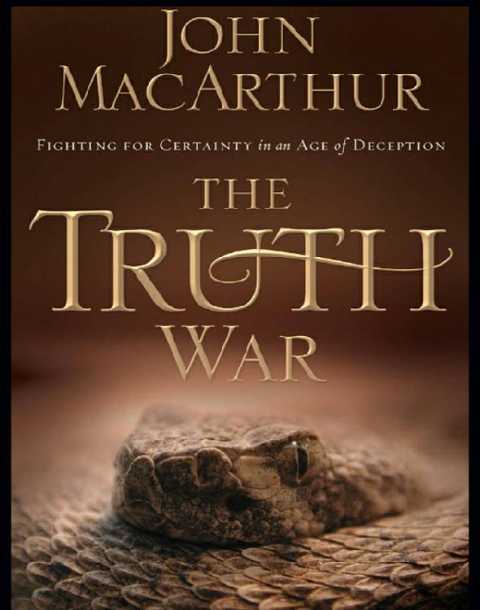

Others like the truth war Features >>
Fool's Gold

Strange Fire
The Murder Of Jesus
Way Of Life Encyclopedia Of The Bible & Christianity
The Ministry Gifts

The Better Covenant
Spirit Hermeneutics

Daniel: God's Blueprint For Bible Prophecy

Politics According To The Bible
A Testimony Of Jesus Christ: A Commentary On The Book Of Revelation, Vol. 2
About the Book
"The Truth War" by John MacArthur addresses the importance of standing up for absolute truth in a culture that promotes relativism and subjective beliefs. MacArthur explains how Christians must be equipped to defend and proclaim the truth of the gospel, even when it is unpopular or goes against cultural trends. The book encourages readers to be bold in the face of opposition and to remain grounded in biblical truth.
Maria Woodworth-Etter
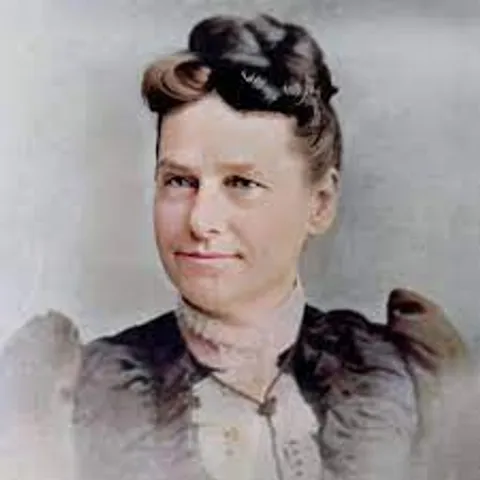 Maria Woodworth-Etter’s Early life
Maria’s early life was plagued with tragedies. Her father died of sunstroke when she was 11 years old leaving her mother with eight children to provide for. She married at 16 but fought a continual battle with ill-health, losing five of her six children. During her sickness she had visions of children in heaven and the lost suffering in hell.
She promised God, that if He would heal her, she would serve Him completely. She asked God for same apostolic power He gave the disciples and was gloriously baptized in the Holy Spirit. “It felt like liquid fire, and there were angels all around.”
The call to preach
Despite her personal struggles with ‘women in ministry’ and the prevailent hostile attitudes to female preachers, she felt compelled by God to accept the invitation to preach in the United Brethren in Christ (Friends) in 1876 and later associated with the Methodist Holiness church.
Evangelism with signs and wonders
Though simply evangelistic in the early days she was unusually successful and in 1885 supernatural signs began to accompany her ministry. Her ministry resurrected dead churches, brought salvation to thousands of unconverted and encouraged believers to seek a deeper walk with God.
She descibes one of her meetings
She described an 1883 meeting in Fairview, Ohio: “I felt impressed God was going to restore love and harmony in the church..… All present came to the altar, made a full consecration, and prayed for a baptism of the Holy Ghost and fire. That night it came. Fifteen same to the altar screaming for mercy.
Men and women fell and lay like dead. I felt it was the work of God, but did not know how to explain it or what to say. I was a little frightened . . . after lying for two hours all, one after another, sprang to their feet as quick as a flash with shining faces and shouted all over the house. I had never seen such bright conversions or such shouting….
The ministers and old saints wept and praised the Lord …..they said it was the Pentecost power, that the Lord was visiting them in great mercy and power …..(they) experienced visions of heaven and hell, collapsed on the floor as if they’d been shot or had died.” Subsequently, thousands were healed of a wide variety of sicknesses and diseases and many believers, even ministers, received mighty baptisms of the Holy Spirit. She soon became a national phenomenon.
1,000 seater tent
In 1889, she purchased a tent that could seat eight thousand people and set it up in Oakland, California. “The power of God was over all the congregation; and around in the city of Oakland. The Holy Ghost would fall on the people while we were preaching. The multitude would be held still, like as though death was in their midst.
Many of the most intelligent and best dressed men would fall back in their seats, with their hands held up to God. being held under the mighty power of God. Men and women fell, all over the tent, like trees in a storm; some would have visions of God. Most all of them came out shouting the praises of God.”
She declared that if 19th-century believers would meet God’s conditions, as the 120 did on the Day of Pentecost, they would have the same results. “A mighty revival would break out that would shake the world, and thousands of souls would be saved. The displays of God’s power on the Day of Pentecost were only a sample of what God designed should follow through the ages. Instead of looking back to Pentecost, let us always be expecting it to come, especially in these days.”
Her views of Pentecostalism
Initially she had grave concerns about the burgeoning Pentecostal movement, mainly because of some unbalanced teaching and reported extremism. Soon she came to believe it was an authentic move of the Holy Spirit and was enthusiastically welcomed within its ranks. She became both a model and a mentor for the fledgling movement. This association elicited another wave of revival between 1912 and her death in 1924 as she ministered throughout the country and her books were read across the world.
Etter Tabenacle
In 1918, she built Etter Tabernacle as her home church base and affiliated with the Assemblies of God. In her closing years she still ministered with a powerful anointing despite struggling with gastritis and dropsy. On occasion she would be carried to the podium, preach with extraordinary power, then be carried home again!
Her demise
Her health continued to decline and she died on September 16, 1924. She is buried in a grave in Indianapolis next to her daughter and son-in-law. Her inscription reads “Thou showest unto thousands lovingkindness.”
In conclusion
Without doubt Maria Woodworth-Etter was an amazing woman blessed with an astonishing ministry. Rev. Stanley Smith – one of the famous “Cambridge Seven” and for many years a worker with “The China Inland Mission” wrote this about her autobiography:
“I cannot let this opportunity go by without again bringing to the notice of my readers, ‘Acts of the Holy Ghost,’ or ‘Life and Experiences of Mrs. M. B. Woodworth-Etter.’ It is a book I value next to the Bible. In special seasons of waiting on God I have found it helpful to have the New Testament on one side of me and Mrs. Etter’s book on the other; this latter is a present-day record of ‘the Acts’ multiplied.
Mrs. Etter is a woman who has had a ministry of healing since 1885, her call as an evangelist being some years previous to this. I venture to think that this ministry is unparalleled in the history of the Church, for which I give all the glory to the Lord Jesus Christ, as Mrs. Etter would, I know, wish me to do. This ministry should be made known, for the glory of the Triune God and the good of believers.”
We agree and pray that such an anointing will rest upon God’s end-time people so that ‘this Gospel of the Kingdom will be preached in all the world before the end comes!’ Matthew 24:14
Tony Cauchi
Maria Woodworth-Etter’s Early life
Maria’s early life was plagued with tragedies. Her father died of sunstroke when she was 11 years old leaving her mother with eight children to provide for. She married at 16 but fought a continual battle with ill-health, losing five of her six children. During her sickness she had visions of children in heaven and the lost suffering in hell.
She promised God, that if He would heal her, she would serve Him completely. She asked God for same apostolic power He gave the disciples and was gloriously baptized in the Holy Spirit. “It felt like liquid fire, and there were angels all around.”
The call to preach
Despite her personal struggles with ‘women in ministry’ and the prevailent hostile attitudes to female preachers, she felt compelled by God to accept the invitation to preach in the United Brethren in Christ (Friends) in 1876 and later associated with the Methodist Holiness church.
Evangelism with signs and wonders
Though simply evangelistic in the early days she was unusually successful and in 1885 supernatural signs began to accompany her ministry. Her ministry resurrected dead churches, brought salvation to thousands of unconverted and encouraged believers to seek a deeper walk with God.
She descibes one of her meetings
She described an 1883 meeting in Fairview, Ohio: “I felt impressed God was going to restore love and harmony in the church..… All present came to the altar, made a full consecration, and prayed for a baptism of the Holy Ghost and fire. That night it came. Fifteen same to the altar screaming for mercy.
Men and women fell and lay like dead. I felt it was the work of God, but did not know how to explain it or what to say. I was a little frightened . . . after lying for two hours all, one after another, sprang to their feet as quick as a flash with shining faces and shouted all over the house. I had never seen such bright conversions or such shouting….
The ministers and old saints wept and praised the Lord …..they said it was the Pentecost power, that the Lord was visiting them in great mercy and power …..(they) experienced visions of heaven and hell, collapsed on the floor as if they’d been shot or had died.” Subsequently, thousands were healed of a wide variety of sicknesses and diseases and many believers, even ministers, received mighty baptisms of the Holy Spirit. She soon became a national phenomenon.
1,000 seater tent
In 1889, she purchased a tent that could seat eight thousand people and set it up in Oakland, California. “The power of God was over all the congregation; and around in the city of Oakland. The Holy Ghost would fall on the people while we were preaching. The multitude would be held still, like as though death was in their midst.
Many of the most intelligent and best dressed men would fall back in their seats, with their hands held up to God. being held under the mighty power of God. Men and women fell, all over the tent, like trees in a storm; some would have visions of God. Most all of them came out shouting the praises of God.”
She declared that if 19th-century believers would meet God’s conditions, as the 120 did on the Day of Pentecost, they would have the same results. “A mighty revival would break out that would shake the world, and thousands of souls would be saved. The displays of God’s power on the Day of Pentecost were only a sample of what God designed should follow through the ages. Instead of looking back to Pentecost, let us always be expecting it to come, especially in these days.”
Her views of Pentecostalism
Initially she had grave concerns about the burgeoning Pentecostal movement, mainly because of some unbalanced teaching and reported extremism. Soon she came to believe it was an authentic move of the Holy Spirit and was enthusiastically welcomed within its ranks. She became both a model and a mentor for the fledgling movement. This association elicited another wave of revival between 1912 and her death in 1924 as she ministered throughout the country and her books were read across the world.
Etter Tabenacle
In 1918, she built Etter Tabernacle as her home church base and affiliated with the Assemblies of God. In her closing years she still ministered with a powerful anointing despite struggling with gastritis and dropsy. On occasion she would be carried to the podium, preach with extraordinary power, then be carried home again!
Her demise
Her health continued to decline and she died on September 16, 1924. She is buried in a grave in Indianapolis next to her daughter and son-in-law. Her inscription reads “Thou showest unto thousands lovingkindness.”
In conclusion
Without doubt Maria Woodworth-Etter was an amazing woman blessed with an astonishing ministry. Rev. Stanley Smith – one of the famous “Cambridge Seven” and for many years a worker with “The China Inland Mission” wrote this about her autobiography:
“I cannot let this opportunity go by without again bringing to the notice of my readers, ‘Acts of the Holy Ghost,’ or ‘Life and Experiences of Mrs. M. B. Woodworth-Etter.’ It is a book I value next to the Bible. In special seasons of waiting on God I have found it helpful to have the New Testament on one side of me and Mrs. Etter’s book on the other; this latter is a present-day record of ‘the Acts’ multiplied.
Mrs. Etter is a woman who has had a ministry of healing since 1885, her call as an evangelist being some years previous to this. I venture to think that this ministry is unparalleled in the history of the Church, for which I give all the glory to the Lord Jesus Christ, as Mrs. Etter would, I know, wish me to do. This ministry should be made known, for the glory of the Triune God and the good of believers.”
We agree and pray that such an anointing will rest upon God’s end-time people so that ‘this Gospel of the Kingdom will be preached in all the world before the end comes!’ Matthew 24:14
Tony Cauchi
walk in his providence - how god opens doors for you
When the master in Jesus’s parable gave talents to his servants and went away, two got busy multiplying their master’s money, and one hid his talent in the dirt. Something similar can happen when people like us hear about the providence of God. On the one hand, few doctrines have inflamed more holy ambition in the hearts of God’s people. When some hear that God rules over galaxies and governments, over winds and waves, and over every detail in our little lives (Ephesians 1:11), they get busy doing good. Christians gripped by providence have built hospitals, ended slave trades, founded orphanages, launched reformations, and pierced the darkness of unreached peoples. On the other hand, few doctrines have been used more often to excuse passivity, sloth, and the sovereignty of the status quo. When some hear that God reigns over all, they reach for the remote, kick up their feet, take sin a little less seriously, bury their talents six feet under. They may do good when the opportunity arises, when the schedule allows, but they will rarely search for good to do. How could the all-pervasive providence of God energize some and paralyze others? How could it cause some to blaze boldly into the unknown, and others to putter on the same tired paths, rarely dreaming, never risking? Waiting for an Open Door When William Carey, the pioneering missionary to India, first proposed the idea of sending Christians to unreached places, an older pastor reportedly protested, “Sit down, young man, sit down and be still. When God wants to convert the heathen, he will do it without consulting either you or me.” Such an application of God’s providence is simplistic, unbiblical, irresponsible — and yet also understandable. Though many of us would never make such a statement, we have our own ways of allowing providence to lull us into passivity. Consider the common language of waiting or praying for “an open door.” The phrase “open door” comes from the apostle Paul (Colossians 4:3–4), yet many of us use the phrase in ways the apostle didn’t. Paul prayed for open doors, yes, but then he vigorously turned handles (compare 1 Corinthians 16:8–9 with Acts 19:1–10). Many of us, on the other hand, sit in the hallway of life, waiting until a divine hand should swing a door open and push us through it. Too often, by saying, “There was no open door,” we mean that there was no obvious, divine orchestration of events that made our path unmistakable. “I didn’t share the gospel because no one seemed interested.” “I didn’t have that hard conversation because we just never ran into each other.” “I didn’t confess that sin because there didn’t seem to be a good time.” Providence, if distorted, can excuse us from all manner of uncomfortable duties. When William Carey gazed toward India, he did not see what we might call an open door: fifty million Muslims and Hindus living half a world and two oceans away. Hence the pastor’s response. Yet Carey went anyway, believing that God, in his providence, could make a way where there seemed to be no way. And India is still bearing fruit from his faith. For Such a Time as This Carey found his inspiration, of course, from dozens of men and women in Scripture who ventured forth into discomfort and danger by the power of God’s providence. Where did Jonathan find the courage to attack an army with only his armor-bearer at his side? Providence: “Come, . . . it may be that the Lord will work for us, for nothing can hinder the Lord from saving by many or by few” (1 Samuel 14:6). How did Esther muster the courage to risk the king’s fury? Providence: “Who knows whether you have not come to the kingdom for such a time as this?” (Esther 4:14). Why did David step toward Goliath with only a sling and five stones? Providence: “The Lord who delivered me from the paw of the lion and from the paw of the bear will deliver me from the hand of this Philistine” (1 Samuel 17:37). “God has planned for some doors to open only as we push them.” Some hear, “God reigns over all,” and think, “Then what difference could my effort make?” Others, like Jonathan, Esther, and David, heard, “God reigns over all,” and thought, “Then God can use even my effort, small though it is.” And so, after thinking, weighing, and praying, they went forth — not always sure that God would prosper their plans, but deeply confident that, if he wanted to, no force in heaven or on earth could stop him. In other words, they knew their God ruled in heaven. They saw a need on the earth. And with “Your kingdom come” burning through the chambers of their hearts (Matthew 6:10), they dreamed up something new for the sake of his name. Act the Providence of God Perhaps, for some of us, the difficulty lies here: we expect to react to the providence of God, but not to act the providence of God. Some of us live as though providence were something only to react to . We wait for a clear, providential open door, and then we react to that providence by walking through the doorway. But as we’ve seen, God has planned for some doors to open only as we push them. He has planned for us to act his providence. Paul gives us the clearest biblical expression of this dynamic in Philippians 2:12–13: “Work out your own salvation with fear and trembling, for it is God who works in you, both to will and to work for his good pleasure.” Notice: Our work does not follow God’s work. Rather, our work is the simultaneous effect of God’s work. Or as John Piper writes, “What Paul makes plain here is how fully our own effort is called into action. We do not wait for the miracle; we act the miracle” ( Providence , 652). Sometimes, to be sure, God is pleased to place some good work right in our lap. Perhaps someone really does ask about the hope that is in us, or the hard conversation we need to have opens easily and naturally. In moments like these, we do indeed react to God’s providence. But God can be just as active in us when our effort is fully involved: when we invite a neighbor over to study the Bible together, or when we arrange a time and place for the difficult talk. We need not wait for something unmistakably divine, something unquestionably providential, before we work out our salvation in all kinds of obedience. Instead, we need only see some good work to do, entrust ourselves to God through earnest prayer, work hard in conscious dependence on him, and then, once finished, turn around and say with Paul, “It was not I, but the grace of God that is with me” (1 Corinthians 15:10). And thus we act the providence of God. Imagine Good In his providence, God has prepared good works for us to walk in (Ephesians 2:10). But many of them will not come as we passively drift beneath God’s providence. They will come to us, instead, as we strain our renewed minds, bend our born-again imaginations, and fashion possibilities in the factory of our new hearts — knowing that every good resolve is a spark of his providence. “You are who you are, what you are, where you are, because of the all-pervasive providence of God.” So look around you. Nothing about your life is an accident. You are who you are, what you are, where you are, because of the all-pervasive providence of God. He has given you whatever talents you have, in his wisdom, for such a time as this — so that you would add a stroke to the canvas in front of you, chisel away at the statue you see, speak and act in the drama you’re in, so that this world looks a little more like the work of art God is redeeming it to be. There are neighbors to befriend, children to disciple, churches to plant, crisis-pregnancy centers to serve, and a thousand tasks at our jobs to do with excellence and love. And how will we know if God, in his providence, has opened a door for any of these opportunities? We will pray and turn the handle.