-480.webp)

The Gifts Of Imperfection: Embrace Who You Are Order Printed Copy
- Author: Brene Brown
- Size: 1.15MB | 98 pages
- |
Others like the gifts of imperfection: embrace who you are Features >>
The Difference Maker
The Power Of Self-Confidence
The Power Of Servant-Leadership
-160.webp)
The Fifteen Percent (Overcoming Hardships And Achieving Lasting Success)
-160.webp)
The Rhythm Of Life: Living Every Day With Passion And Purpose

The Miracle Of Right Thought

The Book That Changed My Life
The Search For Significance
The Leader Who Had No Title
The Law Of Recognition
About the Book
"The Gifts of Imperfection" by Brene Brown explores the importance of embracing vulnerability and imperfection in order to lead a more authentic and fulfilling life. Brown shares her research and personal experiences to explain how letting go of shame and perfectionism can lead to greater self-compassion, belonging, and resilience. Through practices such as self-compassion, gratitude, and setting boundaries, readers are encouraged to cultivate a more wholehearted way of living.
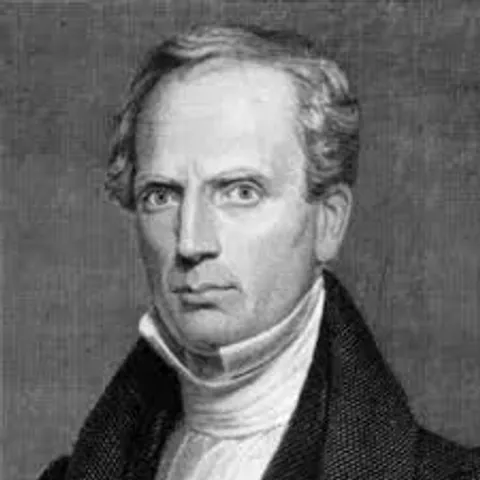
Charles Finney
 Childhood and Teen years
Charles Grandison Finney was born the year after Wesley died on 29th August, 1792 in Warren, Connecticut. In 1794 his family moved to New York state, eventually settling at Henderson, near Lake Ontario. Although he received only a brief formal education he decided to study law and joined the practice of a local lawyer, Benjamin Wright. He was also very musical, played the cello and directed the choir at the local Presbyterian Church pastured by Rev. George Gale.
His conversion
His conversion on October 10th 1821 reads like something out of the book of Acts. Smitten with conviction from Bible reading he decided to ‘settle the question of my soul’s salvation at once, that if it were possible, I would make my peace with God.’ (Autobiography)
This conviction increased to an unbearable level over the next couple of days and came to an head when he was suddenly confronted with an ‘inward voice.’ He was inwardly questioned about his spiritual condition and finally received revelation about the finished work of Christ and his own need to give up his sins and submit to Christ’s righteousness.
As he sought God in a nearby wood he was overwhelmed with an acute sense of his own wickedness and pride but finally submitted his life to Christ. Back at work that afternoon he was filled with a profound sense of tenderness, sweetness and peace. When work was over and he bade his employer goodnight, he then experienced a mighty baptism in the Holy Spirit, which was recorded as vividly as the day he experienced it, though it was penned some fifty years later.
The next morning Finney announced to a customer that he was leaving his law studies to become a preacher of the Gospel.
Charles Finney licensed to preach
He was licensed to preach in 1823 and ordained as an evangelist in 1824. His penetrating preaching was quite different from many local ministers and included an obvious attempt to break away from the traditional and, as he saw it, dead, orthodox Calvinism. He married to Lydia Andrews in October 1824 and was also joined by Daniel Nash (1774-1831), known popularly as ‘Father Nash.’ Undoubtedly Nash’s special ministry of prayer played a great part in Finney’s growing success as an evangelist.
Things really took off when he preached in his old church, where Rev. Gale still ministered. Numerous converts and critics followed! Similar results were experienced in nearby towns of Rome and Utica. Soon newspapers were reporting his campaigns and he began drawing large crowds with dramatic responses.
Soon he was preaching in the largest cities of the north with phenomenal results. Campaign after campaign secured thousands of converts.
The high point of Finney’s revival career was reached at Rochester, New York, during his 1830-1 meetings. Shopkeepers closed their businesses and the whole city seemed to centre on the revivalist. Responding to his irresistible logic and passionate arguments many of his converts were lawyers, merchants and those from a higher income and professional status.
His Preaching
Finney openly preached a modified Calvinism, influenced with his own theology of conversion and used what were perceived to be ‘revivalistic techniques.’
These ‘means’ included the use of the anxious bench (a special place for those under conviction), protracted meetings, women allowed to pray in mixed meetings, publicly naming those present resisting God in meetings and the hurried admission of new converts into church membership. Opponents viewed his preaching of the law as ‘scare tactics’ and his persuasive appeals for sinners to come to Christ for salvation were seen as over-emphasising the responsibility of men and ignoring the sovereignty of God.
His theology and practise soon became known as the ‘New Measures’ and attracted many opponents from the Old School Presbyterians led by Asahel Nettleton (himself no stranger to true revival and , the revivalistic Congregationalists headed by Lyman Beecher.
Pastor at Chatham Street Chapel
Finney accepted an appointment as pastor of Chatham Street Chapel in New York City in 1832 where he remained until 1837. It was during this time that he delivered a series of sermons published in 1835 as ‘Lectures on Revivals of Religion.’ Here he clearly stated his views regarding revivals being products of the correct use of human means. Such was the controversy that he left the Presbyterian denomination and joined the Congregationalists in 1836.
Oberlin College
The next year he became professor of theology at Oberlin College (Ohio) where he taught until his death. He was President here from 1851 until 1866, but still continued regular revival meetings in urban settings (twice in England, 1848, 1851) until 1860. During his stay at Oberlin he produced his, Lectures to Professing Christians (1836), Sermons on Important Subjects (1839) and his famous Memoirs.
The Father of Modern Revivalism
There is no doubt that Charles Grandison Finney well-deserves the title ‘The Father of Modern Revivalism.’ He was an evangelistic pioneer whose model was followed by a long line of revivalists from D. L. Moody to Billy Graham. His writing have made a massive impact on the entire evangelical world and particularly the ‘Lectures on Revivals’ which has, arguably, ignited more fires of revival than any other single piece literature in evangelical history.
This ‘Prince of Revivalists’ passed away peacefully at Oberlin on Sunday, 16th August, 1875 aged almost 83 years.
Bibliography: I Will Pour Out My Spirit, R. E. Davies, 1997; Ed: A. Scott Moreau, Baker Evangelical Dictionary of World Missions, 2000; Dictionary of Evangelical Biography 1730-1860, Vol. 1, 1995.
Tony Cauchi
Childhood and Teen years
Charles Grandison Finney was born the year after Wesley died on 29th August, 1792 in Warren, Connecticut. In 1794 his family moved to New York state, eventually settling at Henderson, near Lake Ontario. Although he received only a brief formal education he decided to study law and joined the practice of a local lawyer, Benjamin Wright. He was also very musical, played the cello and directed the choir at the local Presbyterian Church pastured by Rev. George Gale.
His conversion
His conversion on October 10th 1821 reads like something out of the book of Acts. Smitten with conviction from Bible reading he decided to ‘settle the question of my soul’s salvation at once, that if it were possible, I would make my peace with God.’ (Autobiography)
This conviction increased to an unbearable level over the next couple of days and came to an head when he was suddenly confronted with an ‘inward voice.’ He was inwardly questioned about his spiritual condition and finally received revelation about the finished work of Christ and his own need to give up his sins and submit to Christ’s righteousness.
As he sought God in a nearby wood he was overwhelmed with an acute sense of his own wickedness and pride but finally submitted his life to Christ. Back at work that afternoon he was filled with a profound sense of tenderness, sweetness and peace. When work was over and he bade his employer goodnight, he then experienced a mighty baptism in the Holy Spirit, which was recorded as vividly as the day he experienced it, though it was penned some fifty years later.
The next morning Finney announced to a customer that he was leaving his law studies to become a preacher of the Gospel.
Charles Finney licensed to preach
He was licensed to preach in 1823 and ordained as an evangelist in 1824. His penetrating preaching was quite different from many local ministers and included an obvious attempt to break away from the traditional and, as he saw it, dead, orthodox Calvinism. He married to Lydia Andrews in October 1824 and was also joined by Daniel Nash (1774-1831), known popularly as ‘Father Nash.’ Undoubtedly Nash’s special ministry of prayer played a great part in Finney’s growing success as an evangelist.
Things really took off when he preached in his old church, where Rev. Gale still ministered. Numerous converts and critics followed! Similar results were experienced in nearby towns of Rome and Utica. Soon newspapers were reporting his campaigns and he began drawing large crowds with dramatic responses.
Soon he was preaching in the largest cities of the north with phenomenal results. Campaign after campaign secured thousands of converts.
The high point of Finney’s revival career was reached at Rochester, New York, during his 1830-1 meetings. Shopkeepers closed their businesses and the whole city seemed to centre on the revivalist. Responding to his irresistible logic and passionate arguments many of his converts were lawyers, merchants and those from a higher income and professional status.
His Preaching
Finney openly preached a modified Calvinism, influenced with his own theology of conversion and used what were perceived to be ‘revivalistic techniques.’
These ‘means’ included the use of the anxious bench (a special place for those under conviction), protracted meetings, women allowed to pray in mixed meetings, publicly naming those present resisting God in meetings and the hurried admission of new converts into church membership. Opponents viewed his preaching of the law as ‘scare tactics’ and his persuasive appeals for sinners to come to Christ for salvation were seen as over-emphasising the responsibility of men and ignoring the sovereignty of God.
His theology and practise soon became known as the ‘New Measures’ and attracted many opponents from the Old School Presbyterians led by Asahel Nettleton (himself no stranger to true revival and , the revivalistic Congregationalists headed by Lyman Beecher.
Pastor at Chatham Street Chapel
Finney accepted an appointment as pastor of Chatham Street Chapel in New York City in 1832 where he remained until 1837. It was during this time that he delivered a series of sermons published in 1835 as ‘Lectures on Revivals of Religion.’ Here he clearly stated his views regarding revivals being products of the correct use of human means. Such was the controversy that he left the Presbyterian denomination and joined the Congregationalists in 1836.
Oberlin College
The next year he became professor of theology at Oberlin College (Ohio) where he taught until his death. He was President here from 1851 until 1866, but still continued regular revival meetings in urban settings (twice in England, 1848, 1851) until 1860. During his stay at Oberlin he produced his, Lectures to Professing Christians (1836), Sermons on Important Subjects (1839) and his famous Memoirs.
The Father of Modern Revivalism
There is no doubt that Charles Grandison Finney well-deserves the title ‘The Father of Modern Revivalism.’ He was an evangelistic pioneer whose model was followed by a long line of revivalists from D. L. Moody to Billy Graham. His writing have made a massive impact on the entire evangelical world and particularly the ‘Lectures on Revivals’ which has, arguably, ignited more fires of revival than any other single piece literature in evangelical history.
This ‘Prince of Revivalists’ passed away peacefully at Oberlin on Sunday, 16th August, 1875 aged almost 83 years.
Bibliography: I Will Pour Out My Spirit, R. E. Davies, 1997; Ed: A. Scott Moreau, Baker Evangelical Dictionary of World Missions, 2000; Dictionary of Evangelical Biography 1730-1860, Vol. 1, 1995.
Tony Cauchi
the lost art of gratitude
We all need friends who not only will share in our daily joys, but also speak truth into our lives as fellow disciples of Christ. If you have the privilege of discipling a younger sister in the faith, there are, of course, the essential spiritual disciplines of Bible reading, prayer for others and yourself, Scripture memory, and meditation. But how often do we neglect to incorporate an element of gratitude into our daily routine as well? Posture of Purposeful Gratitude Biblical gratitude is much more than quickly “counting your blessings” or a task to check off the to-do list. Rightly focused gratitude can transform how we view God and his world, and spill over in how we appreciate others. Gratitude has been called a parent virtue for a reason. When we train ourselves to look for ways to be grateful each day, we see other virtues mature as well. How nice that we can become more patient and joyful as we become more grateful! As you disciple women, you can point them to any number of biblical passages that admonish gratitude. The meaning is hard to miss. Paul instructs Christians plainly, As you received Christ Jesus the Lord, so walk in him, rooted and built up in him and established in the faith, just as you were taught, abounding in thanksgiving. (Colossians 2:6–7) The fact that we too have received Christ Jesus the Lord changes everything. Our calling is to walk in him. The best way to do that is to daily read God’s infallible word and then carry it out to the best of our ability down the path set forth specifically for us. Clearly, some believers have much rougher paths than others, but our Lord will equip us to walk boldly. Paul reminds the Colossians of the privilege they have to be “rooted and built up in him and established in the faith.” He states earlier, in Colossians 1:7, that he is aware of how they have learned from Epaphras, a “beloved fellow servant” and presumed minister in the church there. What a joy to be rooted in the faith! Ask your women if they have had that experience. Are some of their earliest memories hearing Bible stories from their parents? Can they still picture the layout of the Sunday school classrooms and the dedicated teachers who were there week by week? If so, there’s another reason for gratitude. If not, let’s be encouraged that the children we teach both at home and in the church are even now being rooted in the faith. Our Lord is hiding his word in their hearts — and we get to be a part of that process. What a privilege! Overflowing Gratitude Further, Paul says they were “built up . . . and established.” Their immature faith grew to a mature faith as they were taught and diligently learned. We certainly hope to follow suit. Unlike the church at Colosse, we have the entire canon of Scripture available to us. We can read it in our study Bibles or on our smartphones. We can listen to learned, godly preachers expound on the truths found therein. We can read books carefully written by sound Bible teachers. We can seek to be lifelong learners who are ever seeking to be firmly established in the faith, as Paul writes later in Colossians 1, “if indeed you continue in the faith, stable and steadfast, not shifting from the hope of the gospel that you heard, which has been proclaimed in all creation under heaven, and of which I, Paul, became a minister” (Colossians 1:23). And what happens when we do all of that? We abound with thanksgiving. Paul doesn’t suggest we give thanks as a way to finish up this topic and move on to the next one. No, he says we are to abound — or overflow — with gratitude. How can we not? It should be a natural response to the fact that we belong to Christ Jesus the Lord. Pray God’s Word into Their Hearts Do you encourage your friend to pray Scripture as a part of her prayer life? It’s uplifting to pray the Psalms, but it’s also profitable to pray prayers found in both the Old and New Testaments. In Paul’s prayer in Colossians 1, he prays for the spiritual wisdom of the people but includes gratitude as one beautiful aspect of wisdom. We have not ceased to pray for you, asking that you may be filled with the knowledge of his will in all spiritual wisdom and understanding, so as to walk in a manner worthy of the Lord, fully pleasing to him: bearing fruit in every good work and increasing in the knowledge of God; being strengthened with all power, according to his glorious might, for all endurance and patience with joy; giving thanks to the Father, who has qualified you to share in the inheritance of the saints in light. He has delivered us from the domain of darkness and transferred us to the kingdom of his beloved Son, in whom we have redemption, the forgiveness of sins. (Colossians 1:9–14) Paul says he prays this for the people of Colosse. We should be encouraging those we disciple to pray prayers like this for themselves and for others. This prayer is so rich in theology. God the Father has qualified , delivered , and transferred us through redemption and forgiveness in Christ alone. What else can we do but give thanks? Gracious and Natural Gratitude As women of God, let’s not only thank God for what he gives. Let’s also thank him for who he is. These are two distinct acts. We should be intentional about daily thanking him for both his character and his provisions for us. As we make this part of our mind-set, it will become second nature. What some may see as a lost art will be manifest in us. This attitude of gratitude towards our great God will spill over into our encounters with others — both believers and unbelievers. Remember, we are to abound in gratitude, so it’s not a small part of who we are. Model and teach those whom God has placed under your influence how you work hard to express gratitude for matters big and small. Realize that your simple expression of thanks accompanied by eye contact and a smile may be a bright spot of the day to many who feel overworked and underappreciated. I have never thanked anyone who said in return, “Please, stop. I am always hearing words like that, and it’s really unnecessary.” Contentment Slays Entitlement As you mentor women, be sure that they are aware of the prevailing entitlement mentality that is so rampant today. Gently remind them again of how we deserve divine condemnation — but thanks be to God, we have been redeemed. We should eagerly run up against the argument that life is all about our being happy in this world and grabbing the best things we can here. We have been bought with a price — the very life of our precious Savior Jesus Christ. Our countenance should reflect that as we strive to show the world how our gratitude is grounded in Christ and overflows in all we do. They should look at us and wonder how we can act this way. They may be puzzled by us at first, but should God give us opportunity, may we show by our lives that we are different because we have indeed been delivered, “that you may proclaim the excellencies of him who called you out of darkness into his marvelous light” (1 Peter 2:9). And they can be as well by trusting in Christ alone. Enjoy the privilege of discipling whomever God places in your sphere of influence for this season of life. Be sure she knows of your humility as you too are “one beggar trying to tell another beggar where to find bread,” as the missionary D.T. Niles once said. Be sure she knows that you seek to live out what you are teaching her. Be sure she sees the joy of the Lord in your grateful heart. Be encouraged that God may choose to use your efforts invested in her to multiply as she in turn invests in others to his glory.