
-480.webp)

Supernatural Childbirth (Experiencing The Promises Of God Concerning Conception And Delivery) Order Printed Copy
- Author: Jackie Mize
- Size: 4.95MB | 134 pages
- |
Others like supernatural childbirth (experiencing the promises of god concerning conception and delivery) Features >>
%20Karen%20Kingsbury-160.webp)
Family (Firstborn Series 04)

Marriage On The Rock - God's Design For Your Dream Marriage

Love And Respect

Love Like You've Never Been Hurt

Her Daughter's Dream

A Marriage Without Regrets

And The Shofar Blew

God's Blueprint For A Happy Home

A Husband After God's Own Heart

Loving Your Spouse When You Feel Like Walking Away
About the Book
"Supernatural Childbirth" by Jackie Mize is a Christian book that discusses the power of faith and prayer during pregnancy and childbirth. The author shares personal experiences and biblical principles to help expectant mothers trust in God's promises for a smooth and pain-free delivery. The book encourages women to lean on their faith and believe in God's supernatural ability to guide them through the miraculous process of childbirth.
Maria Woodworth-Etter
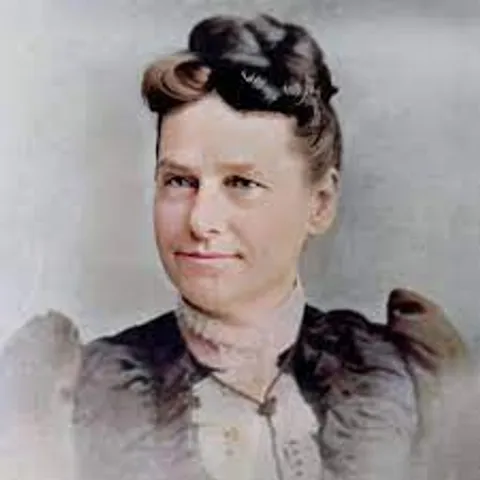 Maria Woodworth-Etter’s Early life
Maria’s early life was plagued with tragedies. Her father died of sunstroke when she was 11 years old leaving her mother with eight children to provide for. She married at 16 but fought a continual battle with ill-health, losing five of her six children. During her sickness she had visions of children in heaven and the lost suffering in hell.
She promised God, that if He would heal her, she would serve Him completely. She asked God for same apostolic power He gave the disciples and was gloriously baptized in the Holy Spirit. “It felt like liquid fire, and there were angels all around.”
The call to preach
Despite her personal struggles with ‘women in ministry’ and the prevailent hostile attitudes to female preachers, she felt compelled by God to accept the invitation to preach in the United Brethren in Christ (Friends) in 1876 and later associated with the Methodist Holiness church.
Evangelism with signs and wonders
Though simply evangelistic in the early days she was unusually successful and in 1885 supernatural signs began to accompany her ministry. Her ministry resurrected dead churches, brought salvation to thousands of unconverted and encouraged believers to seek a deeper walk with God.
She descibes one of her meetings
She described an 1883 meeting in Fairview, Ohio: “I felt impressed God was going to restore love and harmony in the church..… All present came to the altar, made a full consecration, and prayed for a baptism of the Holy Ghost and fire. That night it came. Fifteen same to the altar screaming for mercy.
Men and women fell and lay like dead. I felt it was the work of God, but did not know how to explain it or what to say. I was a little frightened . . . after lying for two hours all, one after another, sprang to their feet as quick as a flash with shining faces and shouted all over the house. I had never seen such bright conversions or such shouting….
The ministers and old saints wept and praised the Lord …..they said it was the Pentecost power, that the Lord was visiting them in great mercy and power …..(they) experienced visions of heaven and hell, collapsed on the floor as if they’d been shot or had died.” Subsequently, thousands were healed of a wide variety of sicknesses and diseases and many believers, even ministers, received mighty baptisms of the Holy Spirit. She soon became a national phenomenon.
1,000 seater tent
In 1889, she purchased a tent that could seat eight thousand people and set it up in Oakland, California. “The power of God was over all the congregation; and around in the city of Oakland. The Holy Ghost would fall on the people while we were preaching. The multitude would be held still, like as though death was in their midst.
Many of the most intelligent and best dressed men would fall back in their seats, with their hands held up to God. being held under the mighty power of God. Men and women fell, all over the tent, like trees in a storm; some would have visions of God. Most all of them came out shouting the praises of God.”
She declared that if 19th-century believers would meet God’s conditions, as the 120 did on the Day of Pentecost, they would have the same results. “A mighty revival would break out that would shake the world, and thousands of souls would be saved. The displays of God’s power on the Day of Pentecost were only a sample of what God designed should follow through the ages. Instead of looking back to Pentecost, let us always be expecting it to come, especially in these days.”
Her views of Pentecostalism
Initially she had grave concerns about the burgeoning Pentecostal movement, mainly because of some unbalanced teaching and reported extremism. Soon she came to believe it was an authentic move of the Holy Spirit and was enthusiastically welcomed within its ranks. She became both a model and a mentor for the fledgling movement. This association elicited another wave of revival between 1912 and her death in 1924 as she ministered throughout the country and her books were read across the world.
Etter Tabenacle
In 1918, she built Etter Tabernacle as her home church base and affiliated with the Assemblies of God. In her closing years she still ministered with a powerful anointing despite struggling with gastritis and dropsy. On occasion she would be carried to the podium, preach with extraordinary power, then be carried home again!
Her demise
Her health continued to decline and she died on September 16, 1924. She is buried in a grave in Indianapolis next to her daughter and son-in-law. Her inscription reads “Thou showest unto thousands lovingkindness.”
In conclusion
Without doubt Maria Woodworth-Etter was an amazing woman blessed with an astonishing ministry. Rev. Stanley Smith – one of the famous “Cambridge Seven” and for many years a worker with “The China Inland Mission” wrote this about her autobiography:
“I cannot let this opportunity go by without again bringing to the notice of my readers, ‘Acts of the Holy Ghost,’ or ‘Life and Experiences of Mrs. M. B. Woodworth-Etter.’ It is a book I value next to the Bible. In special seasons of waiting on God I have found it helpful to have the New Testament on one side of me and Mrs. Etter’s book on the other; this latter is a present-day record of ‘the Acts’ multiplied.
Mrs. Etter is a woman who has had a ministry of healing since 1885, her call as an evangelist being some years previous to this. I venture to think that this ministry is unparalleled in the history of the Church, for which I give all the glory to the Lord Jesus Christ, as Mrs. Etter would, I know, wish me to do. This ministry should be made known, for the glory of the Triune God and the good of believers.”
We agree and pray that such an anointing will rest upon God’s end-time people so that ‘this Gospel of the Kingdom will be preached in all the world before the end comes!’ Matthew 24:14
Tony Cauchi
Maria Woodworth-Etter’s Early life
Maria’s early life was plagued with tragedies. Her father died of sunstroke when she was 11 years old leaving her mother with eight children to provide for. She married at 16 but fought a continual battle with ill-health, losing five of her six children. During her sickness she had visions of children in heaven and the lost suffering in hell.
She promised God, that if He would heal her, she would serve Him completely. She asked God for same apostolic power He gave the disciples and was gloriously baptized in the Holy Spirit. “It felt like liquid fire, and there were angels all around.”
The call to preach
Despite her personal struggles with ‘women in ministry’ and the prevailent hostile attitudes to female preachers, she felt compelled by God to accept the invitation to preach in the United Brethren in Christ (Friends) in 1876 and later associated with the Methodist Holiness church.
Evangelism with signs and wonders
Though simply evangelistic in the early days she was unusually successful and in 1885 supernatural signs began to accompany her ministry. Her ministry resurrected dead churches, brought salvation to thousands of unconverted and encouraged believers to seek a deeper walk with God.
She descibes one of her meetings
She described an 1883 meeting in Fairview, Ohio: “I felt impressed God was going to restore love and harmony in the church..… All present came to the altar, made a full consecration, and prayed for a baptism of the Holy Ghost and fire. That night it came. Fifteen same to the altar screaming for mercy.
Men and women fell and lay like dead. I felt it was the work of God, but did not know how to explain it or what to say. I was a little frightened . . . after lying for two hours all, one after another, sprang to their feet as quick as a flash with shining faces and shouted all over the house. I had never seen such bright conversions or such shouting….
The ministers and old saints wept and praised the Lord …..they said it was the Pentecost power, that the Lord was visiting them in great mercy and power …..(they) experienced visions of heaven and hell, collapsed on the floor as if they’d been shot or had died.” Subsequently, thousands were healed of a wide variety of sicknesses and diseases and many believers, even ministers, received mighty baptisms of the Holy Spirit. She soon became a national phenomenon.
1,000 seater tent
In 1889, she purchased a tent that could seat eight thousand people and set it up in Oakland, California. “The power of God was over all the congregation; and around in the city of Oakland. The Holy Ghost would fall on the people while we were preaching. The multitude would be held still, like as though death was in their midst.
Many of the most intelligent and best dressed men would fall back in their seats, with their hands held up to God. being held under the mighty power of God. Men and women fell, all over the tent, like trees in a storm; some would have visions of God. Most all of them came out shouting the praises of God.”
She declared that if 19th-century believers would meet God’s conditions, as the 120 did on the Day of Pentecost, they would have the same results. “A mighty revival would break out that would shake the world, and thousands of souls would be saved. The displays of God’s power on the Day of Pentecost were only a sample of what God designed should follow through the ages. Instead of looking back to Pentecost, let us always be expecting it to come, especially in these days.”
Her views of Pentecostalism
Initially she had grave concerns about the burgeoning Pentecostal movement, mainly because of some unbalanced teaching and reported extremism. Soon she came to believe it was an authentic move of the Holy Spirit and was enthusiastically welcomed within its ranks. She became both a model and a mentor for the fledgling movement. This association elicited another wave of revival between 1912 and her death in 1924 as she ministered throughout the country and her books were read across the world.
Etter Tabenacle
In 1918, she built Etter Tabernacle as her home church base and affiliated with the Assemblies of God. In her closing years she still ministered with a powerful anointing despite struggling with gastritis and dropsy. On occasion she would be carried to the podium, preach with extraordinary power, then be carried home again!
Her demise
Her health continued to decline and she died on September 16, 1924. She is buried in a grave in Indianapolis next to her daughter and son-in-law. Her inscription reads “Thou showest unto thousands lovingkindness.”
In conclusion
Without doubt Maria Woodworth-Etter was an amazing woman blessed with an astonishing ministry. Rev. Stanley Smith – one of the famous “Cambridge Seven” and for many years a worker with “The China Inland Mission” wrote this about her autobiography:
“I cannot let this opportunity go by without again bringing to the notice of my readers, ‘Acts of the Holy Ghost,’ or ‘Life and Experiences of Mrs. M. B. Woodworth-Etter.’ It is a book I value next to the Bible. In special seasons of waiting on God I have found it helpful to have the New Testament on one side of me and Mrs. Etter’s book on the other; this latter is a present-day record of ‘the Acts’ multiplied.
Mrs. Etter is a woman who has had a ministry of healing since 1885, her call as an evangelist being some years previous to this. I venture to think that this ministry is unparalleled in the history of the Church, for which I give all the glory to the Lord Jesus Christ, as Mrs. Etter would, I know, wish me to do. This ministry should be made known, for the glory of the Triune God and the good of believers.”
We agree and pray that such an anointing will rest upon God’s end-time people so that ‘this Gospel of the Kingdom will be preached in all the world before the end comes!’ Matthew 24:14
Tony Cauchi
blessed even in the worst - how to give thanks in every circumstance
A couple of years ago, social media revolted against the hashtag #blessed. It often seemed to be employed to brag about expensive vacations or impressive accomplishments under the guise of humility. But home décor stores do not seem to have gotten the message. They have shelves stocked with all kinds of signs and accessories so we can declare to the world — or at least anyone who comes into our houses — that we are indeed “blessed.” But what do we mean when we say that we are blessed? Is it an expression of gratitude for the things we have, the health we enjoy, or the people we love? Are these things really at the center of what it means to be blessed? The Source of Blessing From the first chapter to the last, the Bible’s story is one of blessing — blessing pronounced, blessing promised, blessing anticipated, and blessing experienced. We begin to get a sense of what it really means to be blessed in Numbers 6:22–27: The Lord spoke to Moses, saying, “Speak to Aaron and his sons, saying, Thus you shall bless the people of Israel: you shall say to them, The Lord bless you and keep you; the Lord make his face to shine upon you and be gracious to you; the Lord lift up his countenance upon you and give you peace. So shall they put my name upon the people of Israel, and I will bless them.” These words were not given for Israel’s priests to use to ask God for his blessing, leaving them to wonder whether or not God would give it. Rather, God took the initiative to assure his people of his settled intention to bless them. He seemed to want to make it clear that he intended to be personally involved in their lives as the source of all the goodness they would enjoy. So the first thing we learn from this blessing is that God is the source of every blessing in our lives. He blesses us by keeping us secure, extending his grace, and flooding our lives with his healing and wholeness. He is fully engaged, fully determined, and fully able to fill our lives with the security, grace, and peace we all long for. The Substance of Blessing But he is more than the source of blessing; God is also the substance of blessing. Experiencing God’s blessing is not merely getting good things from God. The essence of blessing is getting more of God. It is looking up to see affection and approval radiating from his face. To be blessed is to be confident that God has not and will never ignore or abandon us. “Anything and everything good that emerges from our lives will be a result of God’s sovereign presence in it.” Since more of God himself is the substance of blessing, whenever we ask him to bless us, we’re essentially inviting him to pervade all of the ordinary aspects of our lives. When we ask him to bless our plans, we’re inviting him into them, inviting him to even disrupt or change them, believing that his plans are always better than ours. In asking for his blessing we’re confessing that the outcome of our lives will not be the sum of our grand efforts or accomplishments. Instead, anything and everything good that emerges from our lives will be a result of his sovereign presence in it. Blessed Even at the Worst Times If we really believe that God is the substance of blessing, we won’t confess that we’re blessed only in the circumstances that seem good. Instead, when times are hard, and even when the worst things we can imagine are happening to us, we’ll be able to say that we are blessed. We’ll call ourselves blessed and mean it because we’re experiencing the presence of God with us and in us — in ways we were barely aware of when life seemed easy. Because we know the Lord is keeping us and being gracious to us, our sense of security and peace won’t be so tied to our circumstances. In our desperation for him during difficult times, we’ll find ourselves incredibly blessed by an increased sense of his companionship and comfort. The Reason God Can Bless Us So how is it that God can be so good to us? On what basis can God bless us so generously? You and I can anticipate being showered with God’s blessing only because Jesus experienced the full measure of God’s curse in our place. Christ was given what we deserve so that we might be given what Christ deserves. This is the too-good-to-be-trueness of the gospel. “We enjoy God’s blessing only because Jesus experienced the full measure of God’s curse in our place.” We can be sure that the Lord will keep and protect us because Christ was not protected. We can revel in having the Lord’s face turned toward us only because he turned his face away from his own Son as he hung on the cross. We can be sure that the Lord will lift up his countenance upon us only because when he looks at us, he sees us robed in the righteousness of Christ. He is able to grant us his peace only because his anger was exhausted on another. To be blessed is to be joined to Christ so securely that we have an ever-increasing sense that we are being kept by and for God. Because we are recipients of lavish grace, we can be honest with God and other people about our sin. Because the Lord is giving us peace, we can face the future confident that there is therefore now no condemnation for us because we are in Christ Jesus (Romans 8:1). We can shout it for the world to hear, post it for the social media world to read, and nail it to every wall in our home: we are truly, deeply, eternally blessed in Christ.
-480.webp)
-480.webp)