





About the Book
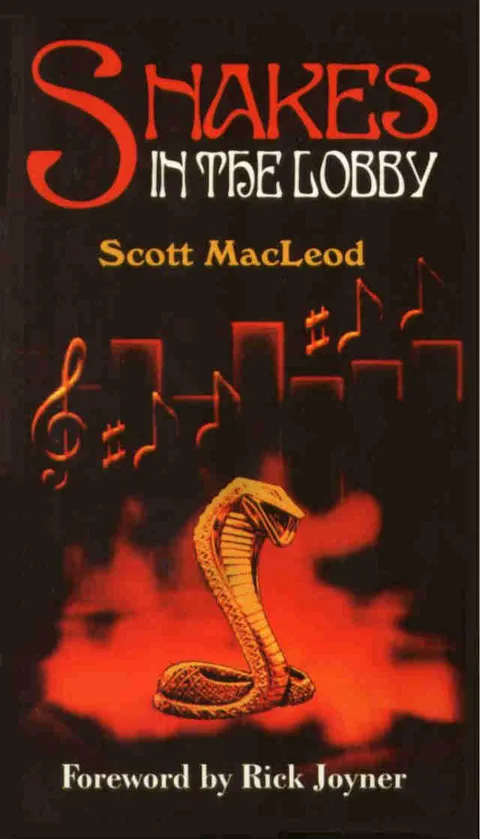
"Snakes in the Lobby" is a thrilling novel that follows the story of a group of coworkers who become trapped in their office building with a deadly snake on the loose. As tension rises and suspicions grow, they must work together to survive and uncover the truth behind the mysterious snake attacks. With fast-paced action and gripping suspense, this book will keep readers on the edge of their seats until the very end.
Brother Yun
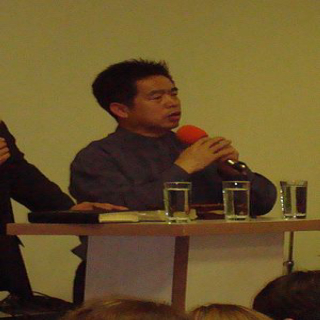 Brother Yun was born in February 1958 in the province of Henan. His original name was Liu Zhenying (刘振营).
Brother Yun became a believer at the age of 16. Soon after he became a Christian, God called him to be His witness in the west and south. As he was obedient to the calling, he eventually became a witness of Christ not just in the western and southern parts of China, but throughout China and in the nations beyond China as well.
Brother Yun was born into a poor family. His family’s financial situation took a turn for the worst when his father became ill with an asthmatic condition that led to lung cancer eventually. His life got worse when he became a Christian as he suffered severe trials and persecutions. In the midst of suffering for the Lord, however, he experienced miracle after miracle, which helped to strengthen his faith.
HOW BROTHER YUN BECAME A BELIEVER
In 1974, Brother Yun’s father became ill with lung cancer. His mother, who had been a Christian for many years but had become spiritually cold after the expulsion of Western missionaries during the Cultural Revolution, felt a deep sense of desperation because if her husband had died then, it would leave the family in dire straits. She thought of committing suicide. One evening, as she was lying in bed, she heard a voice saying to her that Jesus loved her. In tears and in repentance, she rededicated her life to God and gathered her family to pray for her husband. The next morning, her husband got better and as a result, everyone in the family, including Brother Yun, put their faith in God.
HIS HUNGER FOR THE WORD OF GOD
Brother Yun was 16 when he became a Christian. Soon after, he started hungering for the Word of God. However, his family did not have a Bible. He began asking his mother who Jesus was. In response, his mother would tell him that Jesus was the Son of God and that He had recorded all His teachings in the Bible.
Brother Yun wanted a Bible and his mother recalled that there was a man in another village who had one. So she brought him to see the man. The man was too afraid to show Brother Yun his Bible. So he suggested to the latter that he could pray and ask God for one.
Brother Yun decided to fast and pray for a Bible. For the next 100 days, he ate only one bowl of steamed rice everyday. One day at 4am, after fasting for 100 days, he saw a vision. In the vision, he was walking up a steep hill and trying to push a heavy cart at the same time. He was heading towards a village where he intended to beg for food for his family. He struggled greatly as he continued his climb uphill. The cart was about to roll back and fall on him when he saw three men walking down the hill in the opposite direction. One of them was a kind old man and he was pulling a large cart of fresh bread. When the old man saw Brother Yun, he asked him if he was hungry. He said ‘yes’ and started crying. The old man then took a red bag of bread from his cart and asked his two servants to give it to Brother Yun. As he put the bread into his mouth, it immediately turned into a Bible.
Upon waking up, Brother Yun began to search for the Bible. His search, however, was in vain. All of a sudden, he heard a faint knock on the door and someone was calling out his name. Immediately, he recognised the voice – it was the same voice he had heard in the vision. He quickly opened the door and standing before him were the two servants he had seen in the vision. One of them held a red bag in his hand. In this red bag was a Bible.
It was later that Brother Yun found out the names of the two men. One was Brother Wang while the other was Brother Sung. They were sent by an evangelist to give Brother Yun the Bible. The evangelist, who had suffered terribly during the Cultural Revolution and had nearly died while being tortured, had received a vision from God. In the vision, God showed him Brother Yun’s house and the location of his village. He was asked to give his Bible to Brother Yun. However, he did not obey God until three months later.
Brother Yun began to devour the Word of God. Even though he could hardly read, this did not deter him at all. When he had finished reading the entire Bible, he started to memorise one chapter per day. In 28 days, he had memorised the Gospel of Matthew. Then he went on to memorise the Book of Acts and so forth.
OBEDIENT TO THE CALL OF GOD
One morning at 4am, Brother Yun had a dream. In the dream, God asked him to be His witness in the west and south. In the same dream, he saw a young man from the south coming to his house. And so at daybreak, he told his mother to expect the young man’s visit and to ask him to wait for him. Then he sat off to a village he had never heard of in the west. The people in this village had been praying for him to visit as they had heard about how he had prayed for a Bible and got it.
When the meeting at the village concluded and Brother Yun got ready to leave, the villagers refused to let him go. So he stayed on and recited to them the first twelve chapters from the Book of Acts. After that, the villagers finally let him go. From the village to his house, it could take up to 2 hours to walk. Because he did not want to make the young man from the south wait too long, he decided to run home. All of a sudden, he found himself entering his village without any apparent time lapse. What should have taken him a few hours took him just a few moments. It was as if God had supernaturally transported him back to his village.
PERSECUTIONS AND MIRACLES IN HIS LIFE
Brother Yun was arrested by security police numerous times and was thrown into prison three times for sharing the gospel in communist China.
When Brother Yun was arrested the first time, he was only 17 years old. At that time, he was ministering at a meeting far away from home. After he was caught, he was thrown into a freezing cold prison cell. There was no heat in the cell and his winter coat had been thrown into the snow by the security police who had caught him. He began to sing Psalm 150 aloud. The more he sang, the more he was filled with joy. Gradually, his frozen hands and feet regained feeling and he no longer felt cold.
During his first imprisonment in Nanyang, Brother Yun felt that God wanted him to fast without food and water until he could see his family again. This fast lasted 74 days, which was humanly impossible but yet was made possible because he chose to obey God.
During those times when Brother Yun was in the hands of government officials, he was repeatedly beaten and tortured with electric batons. He was also kicked and trampled upon. Furthermore, he had needles being jabbed underneath his fingernails.
Once, Brother Yun was paraded through the streets with a red cross tied behind him for half a day. When night fell, he was locked and left alone inside a large interrogation room. The wooden cross was taken off his back but his hands were still tied up. All of a sudden, the rope that was used to tie his hands snapped by itself. He immediately walked out of the interrogation room and walked through the courtyard in the midst of onlookers. Nobody stopped him or said anything to him. It was as if God had blinded their eyes and they did not even recognise who he was.
Because the front gate was locked, the only way Brother Yun could get out was to climb over an eight-foot high cement wall. He climbed up as much as he could manage. Then he looked over the wall and saw that there was a ten-foot wide open tank directly below. Suddenly, he felt as if someone had lifted him up and thrown him over. He was thrown so far that he did not land in the tank.
Brother Yun’s 3rd imprisonment was a very dark period in his life as the prison guards in the maximum security prison were determined to prevent his escape. So they beat his legs to cripple him permanently. They had him beaten up everyday, even in his crippled state. One day, God instructed him to escape from the prison. This was confirmed by a brother-in-Christ. Thus, on May 5, 1997, he miraculously walked past dozens of prison guards and out of the maximum security prison. It was as if he had become invisible to the guards. He did not realise that his legs had been miraculously healed until later.
Throughout all the horrendous and painful experiences that Brother Yun went through, the word of the Lord kept coming to him, encouraging him and strengthening his faith.
BROTHER YUN’S MINISTRY
Brother Yun eventually escaped China and sought asylum in Germany in 2001. Since then, he has been continuing his ministry from there and has spoken to congregations internationally. He has founded “Back to Jerusalem” Movement and has been sending missionaries out from China to share the gospel in the least-reached nations.
Brother Yun’s life and ministry have impacted many lives. Thousands of people have become Christians through his ministry. It is thus inevitable that fellow Christians have allowed themselves to be used as instruments of wickedness to attack his reputation. The co-author of The Heavenly Man, Paul Hattaway has aptly put it this way, “Many of the great Christian leaders throughout history have been the subject of brutal attacks from other Christians.”
AFTERTHOUGHT
Brother Yun’s childlike faith and his prompt obedience to God’s call are exemplary. It is incredible that he has remained faithful to God despite the tremendous suffering and persecutions he has gone through.
Brother Yun was born in February 1958 in the province of Henan. His original name was Liu Zhenying (刘振营).
Brother Yun became a believer at the age of 16. Soon after he became a Christian, God called him to be His witness in the west and south. As he was obedient to the calling, he eventually became a witness of Christ not just in the western and southern parts of China, but throughout China and in the nations beyond China as well.
Brother Yun was born into a poor family. His family’s financial situation took a turn for the worst when his father became ill with an asthmatic condition that led to lung cancer eventually. His life got worse when he became a Christian as he suffered severe trials and persecutions. In the midst of suffering for the Lord, however, he experienced miracle after miracle, which helped to strengthen his faith.
HOW BROTHER YUN BECAME A BELIEVER
In 1974, Brother Yun’s father became ill with lung cancer. His mother, who had been a Christian for many years but had become spiritually cold after the expulsion of Western missionaries during the Cultural Revolution, felt a deep sense of desperation because if her husband had died then, it would leave the family in dire straits. She thought of committing suicide. One evening, as she was lying in bed, she heard a voice saying to her that Jesus loved her. In tears and in repentance, she rededicated her life to God and gathered her family to pray for her husband. The next morning, her husband got better and as a result, everyone in the family, including Brother Yun, put their faith in God.
HIS HUNGER FOR THE WORD OF GOD
Brother Yun was 16 when he became a Christian. Soon after, he started hungering for the Word of God. However, his family did not have a Bible. He began asking his mother who Jesus was. In response, his mother would tell him that Jesus was the Son of God and that He had recorded all His teachings in the Bible.
Brother Yun wanted a Bible and his mother recalled that there was a man in another village who had one. So she brought him to see the man. The man was too afraid to show Brother Yun his Bible. So he suggested to the latter that he could pray and ask God for one.
Brother Yun decided to fast and pray for a Bible. For the next 100 days, he ate only one bowl of steamed rice everyday. One day at 4am, after fasting for 100 days, he saw a vision. In the vision, he was walking up a steep hill and trying to push a heavy cart at the same time. He was heading towards a village where he intended to beg for food for his family. He struggled greatly as he continued his climb uphill. The cart was about to roll back and fall on him when he saw three men walking down the hill in the opposite direction. One of them was a kind old man and he was pulling a large cart of fresh bread. When the old man saw Brother Yun, he asked him if he was hungry. He said ‘yes’ and started crying. The old man then took a red bag of bread from his cart and asked his two servants to give it to Brother Yun. As he put the bread into his mouth, it immediately turned into a Bible.
Upon waking up, Brother Yun began to search for the Bible. His search, however, was in vain. All of a sudden, he heard a faint knock on the door and someone was calling out his name. Immediately, he recognised the voice – it was the same voice he had heard in the vision. He quickly opened the door and standing before him were the two servants he had seen in the vision. One of them held a red bag in his hand. In this red bag was a Bible.
It was later that Brother Yun found out the names of the two men. One was Brother Wang while the other was Brother Sung. They were sent by an evangelist to give Brother Yun the Bible. The evangelist, who had suffered terribly during the Cultural Revolution and had nearly died while being tortured, had received a vision from God. In the vision, God showed him Brother Yun’s house and the location of his village. He was asked to give his Bible to Brother Yun. However, he did not obey God until three months later.
Brother Yun began to devour the Word of God. Even though he could hardly read, this did not deter him at all. When he had finished reading the entire Bible, he started to memorise one chapter per day. In 28 days, he had memorised the Gospel of Matthew. Then he went on to memorise the Book of Acts and so forth.
OBEDIENT TO THE CALL OF GOD
One morning at 4am, Brother Yun had a dream. In the dream, God asked him to be His witness in the west and south. In the same dream, he saw a young man from the south coming to his house. And so at daybreak, he told his mother to expect the young man’s visit and to ask him to wait for him. Then he sat off to a village he had never heard of in the west. The people in this village had been praying for him to visit as they had heard about how he had prayed for a Bible and got it.
When the meeting at the village concluded and Brother Yun got ready to leave, the villagers refused to let him go. So he stayed on and recited to them the first twelve chapters from the Book of Acts. After that, the villagers finally let him go. From the village to his house, it could take up to 2 hours to walk. Because he did not want to make the young man from the south wait too long, he decided to run home. All of a sudden, he found himself entering his village without any apparent time lapse. What should have taken him a few hours took him just a few moments. It was as if God had supernaturally transported him back to his village.
PERSECUTIONS AND MIRACLES IN HIS LIFE
Brother Yun was arrested by security police numerous times and was thrown into prison three times for sharing the gospel in communist China.
When Brother Yun was arrested the first time, he was only 17 years old. At that time, he was ministering at a meeting far away from home. After he was caught, he was thrown into a freezing cold prison cell. There was no heat in the cell and his winter coat had been thrown into the snow by the security police who had caught him. He began to sing Psalm 150 aloud. The more he sang, the more he was filled with joy. Gradually, his frozen hands and feet regained feeling and he no longer felt cold.
During his first imprisonment in Nanyang, Brother Yun felt that God wanted him to fast without food and water until he could see his family again. This fast lasted 74 days, which was humanly impossible but yet was made possible because he chose to obey God.
During those times when Brother Yun was in the hands of government officials, he was repeatedly beaten and tortured with electric batons. He was also kicked and trampled upon. Furthermore, he had needles being jabbed underneath his fingernails.
Once, Brother Yun was paraded through the streets with a red cross tied behind him for half a day. When night fell, he was locked and left alone inside a large interrogation room. The wooden cross was taken off his back but his hands were still tied up. All of a sudden, the rope that was used to tie his hands snapped by itself. He immediately walked out of the interrogation room and walked through the courtyard in the midst of onlookers. Nobody stopped him or said anything to him. It was as if God had blinded their eyes and they did not even recognise who he was.
Because the front gate was locked, the only way Brother Yun could get out was to climb over an eight-foot high cement wall. He climbed up as much as he could manage. Then he looked over the wall and saw that there was a ten-foot wide open tank directly below. Suddenly, he felt as if someone had lifted him up and thrown him over. He was thrown so far that he did not land in the tank.
Brother Yun’s 3rd imprisonment was a very dark period in his life as the prison guards in the maximum security prison were determined to prevent his escape. So they beat his legs to cripple him permanently. They had him beaten up everyday, even in his crippled state. One day, God instructed him to escape from the prison. This was confirmed by a brother-in-Christ. Thus, on May 5, 1997, he miraculously walked past dozens of prison guards and out of the maximum security prison. It was as if he had become invisible to the guards. He did not realise that his legs had been miraculously healed until later.
Throughout all the horrendous and painful experiences that Brother Yun went through, the word of the Lord kept coming to him, encouraging him and strengthening his faith.
BROTHER YUN’S MINISTRY
Brother Yun eventually escaped China and sought asylum in Germany in 2001. Since then, he has been continuing his ministry from there and has spoken to congregations internationally. He has founded “Back to Jerusalem” Movement and has been sending missionaries out from China to share the gospel in the least-reached nations.
Brother Yun’s life and ministry have impacted many lives. Thousands of people have become Christians through his ministry. It is thus inevitable that fellow Christians have allowed themselves to be used as instruments of wickedness to attack his reputation. The co-author of The Heavenly Man, Paul Hattaway has aptly put it this way, “Many of the great Christian leaders throughout history have been the subject of brutal attacks from other Christians.”
AFTERTHOUGHT
Brother Yun’s childlike faith and his prompt obedience to God’s call are exemplary. It is incredible that he has remained faithful to God despite the tremendous suffering and persecutions he has gone through.
Positive and Negative Spiritual Signs of the End Times
Dear Roger, When I think of the signs of the End Times, I usually focus on the outward, visible signs. I’m familiar with what the Bible says about what will happen in nature, like oceans turning to blood, earthquakes, nuclear holocaust, and the battle of Armageddon. But too often, I think we all neglect the fact that there are spiritual signs as well, maybe because they’re not taught or discussed nearly as often. Could you please help me understand the spiritual signs leading up to the End Times? Sincerely, Peter Dear Peter, I’d be most happy to do that. Many today are preaching about the signs of the times. Yet, the world continues to scoff at the message of Christ. They don’t want to hear the truth, and they certainly don’t want to change their behavior for anything. You must understand this, that scoffers will come in the last days with scoffing, following their own passions … Thank you. (2 Peter 3:3, 8) The prophet Jeremiah also tells us that the heart of man is desperately wicked! The result is that mankind usually ignores the signs of God. For example, Noah's preaching fell on deaf ears! The testimony and miracles of Christ fell on deaf ears! Even when people watch in horror as a sign is fulfilled before their eyes, many refuse to believe the signs and repent. Instead, they curse God. The fourth angel poured his bowl on the sun, and it was allowed to scorch men with fire; … yet, they cursed the name of God who had power over these plagues, and they did not repent. (Revelation 16:8-9) As followers of Christ, the Bible encourages us to watch the signs of the times in preparation for Christ’s return. Jesus will come like a “Thief in night. … But you aren't in darkness for that day to surprise you like a thief!” (1 Thessalonians 5:2-4) So, read the signs and be ready. Jesus is coming like a thief! First, notice that these spiritual end-time signs involve the perversion of the gospel of Jesus Christ. Here are four negative spiritual signs that will herald the Lord’s return: 1. False Prophets Will Lead Many Astray “And many false prophets will arise and lead many astray” (Matthew 24:11). “For false Christs and prophets will arise and show great signs and wonders, so as to lead many astray, if possible, even the elect” Matthew 24:24). Sure enough, the landscape today is polluted with false prophets, both inside and outside of the Christian faith. For example, outside the Christian faith, we find Hindus, Buddhists, Taoists, and thousands of other non-Christian’s religions that pervert, replace, or contradict God’s Word. This isn’t a statement of “intolerance” as our culture would claim. It’s simply the truth, according to the Bible and the Gospel of Jesus Christ. We have little trouble seeing these for what they are. But the real danger is when they are within the church! These false prophets use Christian language and Christian symbols, but they do not know or profess Jesus Christ, who said, "I am the only way to God.” Witness some of the things taught in the name of Christ that are not true. Jehovah's Witnesses preach Jesus as the “Archangel Michael.” The Church of Christ Scientists and Unity Churches proclaim a Jesus who is a Spirit only. Both have very little to do with the real Jesus Christ who was both God and man. But without a physical body, there was no way for Jesus to resurrect from the dead! He must be fully God and fully man to pay the price for our sin and give us eternal life. Mormons erroneously teach that Jesus and Adam are brothers who have grown and matured into being higher planes of god. In fact, Mormons proclaim that Jesus is just one of a thousand gods. They teach that anyone can become a god. Unitarians speak of Jesus as nothing more than a good moral man. We are besieged on every side by these false prophets, so let me encourage you to keep constantly in mind the warnings of the Apostle Paul: Preach the word, be urgent in season and out of season, convince, rebuke, and exhort, be unfailing in patience and in teaching. For the time is coming when people will not endure sound teaching, but having itching ears they will accumulate for themselves teachers to suit their own likings, and will turn away from listening to the truth and wander in the myths.” (1 Timothy 4:1-3) A black apple with a black background 2. A Worldwide Revival of Satanism Will Occur Satan has ruled the world through deception since the Fall, and his rule will intensify as during the End Times. But I am afraid that just as Eve was deceived by the serpent’s cunning, your minds may somehow be led astray from your sincere and pure devotion to Christ. (2 Corinthians 11:3) For false messiahs and false prophets will appear and perform great signs and wonders to deceive, if possible, even the elect. (Mark 13:22) Think carefully about Satan’s deceptive powers in the Garden. If he could deceive perfect Eve, think what he can do with us! Evildoers and impostors will go from bad to worse, deceiving and being deceived. (2 Timothy 3:13) Don’t let anyone deceive you in any way, for that day will not come until the rebellion occurs and the man of lawlessness is revealed, the man doomed to destruction. (2 Thessalonians 2:3) You may notice that we hear of overt demonic battles in Third World countries. Spiritual warfare is obviously engaged there. You may wonder why we don’t see the same manifestations in America. The answer is simple. Satan doesn’t need to bring out his big guns against American Christians. He already has us trapped in materialism. And don’t miss this; Satan is also reading the signs of the times. He's launching his last great ego trip which Revelation says will reach its high point during his rule of the earth through his possessed puppet, the Antichrist. Satan is bold and brazen in his deceptions. He thinks he can win the final battle. He cannot. 3. Many Will Fall Away from Jesus and Commit Apostasy Those on the rocky ground are the ones who receive the word with joy when they hear it, but they have no root. They believe for a while, but in the time of testing they fall away. (Luke 8:13) Jesus also said, “Those who endure to the end shall be saved” (See Revelation 3:10). In other words, Jesus was saying that those who navigate the end days well will make it through the End Times. Placed in historical context, Revelation 3:14-19 Jesus shows us the state of the Christian church during the End Times. It is not a very pretty picture. Jesus said that the church at Laodicea was lukewarm. It was neither hot nor cold. He was about to spit it out of his mouth: You say, “I am rich; I have acquired wealth and do not need a thing.” But you do not realize that you are wretched, pitiful, poor, blind and naked. … Those whom I love, I rebuke and discipline. So be earnest and repent. Here I am I stand at the door and knock. If anyone hears my voice and opens the door, I will come in and eat with that person and they with me. (Revelation 3:17, 19-20) This church is wretched, poor, blind, and naked, yet it thinks it is rich! This church is so apostate that Christ is on the outside looking in! And this is the type of church that will be in existence when Jesus Christ returns! In fact, we are in the End Times. This is the state of the Christian Church today. It is not unusual to find Christian ministers and organizations condoning abortion, extramarital sex, and defending homosexuality. The Roman Catholic Church is shot through with corruption, superstition, pedophiles, and unbelief. Mainstream Protestantism is rushing toward a renunciation of the fundamental truths of Christianity. The World Council of Churches has rejected the Gospel of the Lord Jesus for the rankest form of liberal humanism! In Revelation, the apostle John also says this attitude of apostasy will result in a church that will unite politically with the revived Roman Empire and the Antichrist. He also illustrates it as the great harlot, drunk on the blood of saints, with which kings of the earth commit fornication. Truth and false word blocks on a scale 4. Many False “Christs” Will Arise In the New Age Movement, we are all Christ. What a damaging, dangerous claim! And how this deception perverts the truth that we are sinners and Jesus alone is our Savior. In Matthew 24, Jesus says, “For many will come in my name, claiming, ‘I am the Messiah,’ and will deceive many. … False messiahs and false prophets will appear and perform great signs and wonders to deceive, if possible, even the elect.” Be wary. Be ready. Be wise. Not only are we used to looking at natural, earthly signs of the End Times, we are also likely to catch onto the negative ones. But there will be several positive spiritual signs… ones that we can be inspired and encouraged by as we wait for Christ’s return. Here are 3 positive spiritual signs that will herald the Lord's return: 1. The true church will make herself pure and holy as the bride of Christ. Let us rejoice and be glad and give him glory! For the wedding of the Lamb has come, and his bride has made herself ready.” (Revelation 19:7) In this unparalleled season of persecution during the End Times, those who are alive shall realize a level of holiness and blamelessness of the quality in which Jesus Himself walked. Persecution and suffering always make the church grow stronger! 2. There will be a special outpouring of the Holy Spirit. Spiritual renewal will thrive throughout our world. We will see a sweet aroma of love and unity among Christians. I look forward to the day the prophet Joel described; I will pour out my Spirit on all people. Your sons and daughters will prophesy, your old men will dream dreams, your young men will see visions. Even on my servants, both men and women, I will pour out my Spirit in those days. I will show wonders in the heavens and on the earth, blood and fire and billows of smoke. The sun will be turned to darkness and the moon to blood before the coming of the great and dreadful day of the Lord. And everyone who calls on the name of the Lord will be saved (Joel 2:28-32) 3. “The gospel will be preached to all nations, then the end will come!” The Good News of the Gospel is going out around the world in ways that have never before been possible, thanks to the advent of the internet and other technology. The Bible has been translated into 75% of the languages on earth, with more translations happening every day. Missionaries are on the field in nearly every nation. The number of “unreached people groups” is decreasing fast. And this gospel of the kingdom will be preached in the whole world as a testimony to all nations, and then the end will come. (Matthew 24:14) Our God is a God of great mercy and incredible love. And it is out of His mercy that Christ has yet to return … to give as many people as possible the opportunity to hear the Gospel and respond. Let me leave you with this. We are blessed to be living in the most exciting times of the Lord's return in triumph! But these days are a blessing only to those who know the Lord. Without knowing Jesus and the eternal hope we have in Him, these must be terrible days as we are confronted daily with wars and rumors of wars and natural catastrophes and famines and inhumanity and breakdown of values and morals and collapse of the economy. Therefore, as we watch for signs of the End Times, may we seek to share His love far and wide. May we never be discouraged by the negative spiritual signs we encounter, because they point directly to Christ’s return. And may we be encouraged that eternal life with Him is near! Dr. Roger Barrier