Charles Colson
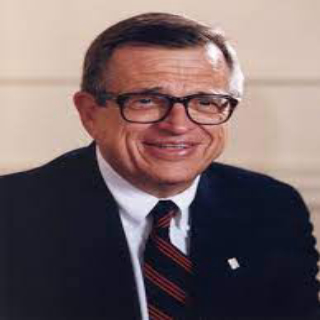 F Scott Fitzgerald once said: "There are no second acts in American lives." Charles Colson might have caused him to reconsider. In 1972, Colson, who has died aged 80, boasted to his colleagues in Richard Nixon's White House that he would "walk over my own grandmother" to get Nixon re-elected. His path led not over his grandmother, but through the Watergate scandal to prison, and then to a remarkable transformation into an evangelical Christian leader, bestselling writer and prison reformer.
"Chuck" Colson called himself Nixon's "hatchet man", and it was in this role that he drew up the president's famous "enemies list". High on that list was Daniel Ellsberg, the US military analyst who leaked the Pentagon Papers to the New York Times in 1971. The papers were a series of secret reports commissioned by John F Kennedy's defence secretary Robert McNamara which contradicted the public policy statements of three American administrations over the Vietnam war. Nixon assigned Colson to discredit Ellsberg.
Colson, armed with a budget of $250,000 from the Committee for the Re-Election of the President, had already hired his former college classmate E Howard Hunt to create the White House unit known as "the plumbers", as they were intended to stop embarrassing leaks. Hunt's team burgled the offices of Ellsberg's psychiatrist, and made plans to have Ellsberg beaten, while Colson leaked smears to the press.
In early 1972, Colson got White House approval for a plan concocted by Hunt and G Gordon Liddy, another of the plumbers, to "gather intelligence" for the upcoming election. Hunt's burglars were caught by a sharp-eyed security guard inside the Democratic party's headquarters at the Watergate complex in Washington. An address book found on one of them led back to the White House, but the scandal failed to have an impact on the election, which Nixon won. Colson joked with Hunt that Watergate would be remembered as a brilliantly conceived escapade to "divert the Democrats' attention from the real issues, and therefore permit us to win a landslide we probably wouldn't have won otherwise". Without realising it, Colson had created the template which now dominates modern politics.
But after the election, the Watergate investigations persisted. As Nixon's aides toppled one by one, Colson led the effort to smear those testifying, including another White House lawyer, John Dean, whose evidence against Nixon was particularly damning. Finally, Colson, too, resigned, in March 1973. A year later, he was indicted for his part in the cover-up. Facing an impeachment trial, Nixon resigned on 9 August 1974.
Colson's religious conversion began while he was awaiting trial. Thomas Phillips, chairman of the defence contractor Raytheon, gave him a copy of CS Lewis's Mere Christianity, and he joined a congressional prayer group. When the 60 Minutes interviewer Mike Wallace challenged his sincerity, Colson decided to atone. Colson's lawyers negotiated a plea bargain of guilty to one count of obstruction of justice relating to the Ellsberg break-in. Sentenced in 1974 to one to three years, he served seven months in federal prison and was released in January 1975. Ellsberg himself said that he doubted the conversion, noting that Colson continued to deny more serious crimes.
Colson was born in Boston. His father, Wendell, worked for the Securities and Exchange Commission. Colson attended Browne & Nichols, an elite school in Cambridge, Massachusetts, and then went to Brown University in Providence, Rhode Island, on a naval reserve programme. After graduation, he served in the marine corps, then became an aide to the Massachusetts senator Leverett Saltonstall. Through Saltonstall, he met Nixon, then US vice-president, and in his own words, instantly became "a Nixon fanatic".
After getting his law degree from George Washington University, he worked on Saltonstall's successful 1960 re-election campaign, before founding a law firm which became influential. In 1964 he wrote a memo to Nixon, who had lost the California gubernatorial election, outlining his plan to return Nixon to prominence; and in 1968 he joined Nixon's campaign. Nixon won the presidency in 1969 and appointed Colson his special counsel.
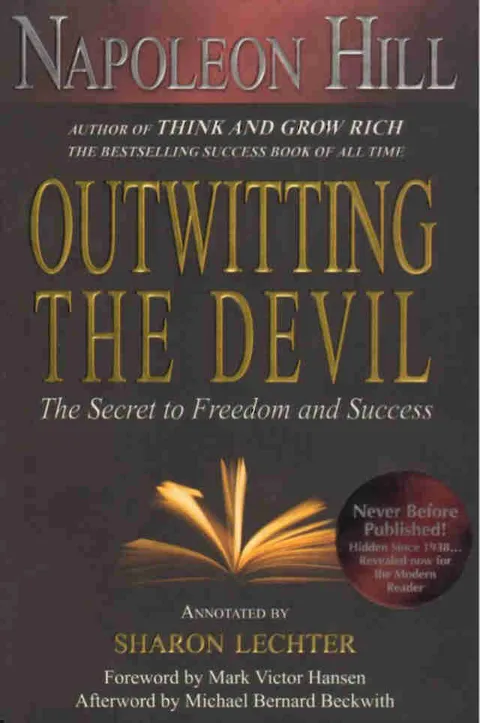
In prison, Colson embraced born-again Christianity. In his biography Charles W Colson: A Life Redeemed (2005), the former Tory cabinet minister Jonathan Aitken says that Colson "transferred his huge drive, intellect, and maniacal energy from the service of Richard Nixon to the service of Jesus Christ". After prison, Colson wrote a bestselling memoir, Born Again (1976), which was filmed in 1978.
He also founded a series of non-profit organisations, such as Prison Fellowship Ministries, which aimed to convert the convicted. Colson wrote more than 30 books, channelling the royalties into his ministries, to which he also donated the $1.1m Templeton prize, for promoting religion, which he won in 1993.
In 2000, the Florida governor Jeb Bush reinstated Colson's voting rights (in that state, a convicted felon may not vote), saying: "I think it's time to move on. I know him, he's a great guy." In 2002 Colson joined fellow evangelicals in signing the Land Letter, urging President George W Bush to pursue a "just war" in Iraq. In 2008 he received the Presidential Citizens medal from Bush.
Colson is survived by his second wife, Patricia, and by two sons, Wendell and Christian, and a daughter, Emily, from his first marriage, which ended in divorce.
Charles Wendell Colson, political aide and prison reformer, born 16 October 1931; died 21 April 2012
F Scott Fitzgerald once said: "There are no second acts in American lives." Charles Colson might have caused him to reconsider. In 1972, Colson, who has died aged 80, boasted to his colleagues in Richard Nixon's White House that he would "walk over my own grandmother" to get Nixon re-elected. His path led not over his grandmother, but through the Watergate scandal to prison, and then to a remarkable transformation into an evangelical Christian leader, bestselling writer and prison reformer.
"Chuck" Colson called himself Nixon's "hatchet man", and it was in this role that he drew up the president's famous "enemies list". High on that list was Daniel Ellsberg, the US military analyst who leaked the Pentagon Papers to the New York Times in 1971. The papers were a series of secret reports commissioned by John F Kennedy's defence secretary Robert McNamara which contradicted the public policy statements of three American administrations over the Vietnam war. Nixon assigned Colson to discredit Ellsberg.
Colson, armed with a budget of $250,000 from the Committee for the Re-Election of the President, had already hired his former college classmate E Howard Hunt to create the White House unit known as "the plumbers", as they were intended to stop embarrassing leaks. Hunt's team burgled the offices of Ellsberg's psychiatrist, and made plans to have Ellsberg beaten, while Colson leaked smears to the press.
In early 1972, Colson got White House approval for a plan concocted by Hunt and G Gordon Liddy, another of the plumbers, to "gather intelligence" for the upcoming election. Hunt's burglars were caught by a sharp-eyed security guard inside the Democratic party's headquarters at the Watergate complex in Washington. An address book found on one of them led back to the White House, but the scandal failed to have an impact on the election, which Nixon won. Colson joked with Hunt that Watergate would be remembered as a brilliantly conceived escapade to "divert the Democrats' attention from the real issues, and therefore permit us to win a landslide we probably wouldn't have won otherwise". Without realising it, Colson had created the template which now dominates modern politics.
But after the election, the Watergate investigations persisted. As Nixon's aides toppled one by one, Colson led the effort to smear those testifying, including another White House lawyer, John Dean, whose evidence against Nixon was particularly damning. Finally, Colson, too, resigned, in March 1973. A year later, he was indicted for his part in the cover-up. Facing an impeachment trial, Nixon resigned on 9 August 1974.
Colson's religious conversion began while he was awaiting trial. Thomas Phillips, chairman of the defence contractor Raytheon, gave him a copy of CS Lewis's Mere Christianity, and he joined a congressional prayer group. When the 60 Minutes interviewer Mike Wallace challenged his sincerity, Colson decided to atone. Colson's lawyers negotiated a plea bargain of guilty to one count of obstruction of justice relating to the Ellsberg break-in. Sentenced in 1974 to one to three years, he served seven months in federal prison and was released in January 1975. Ellsberg himself said that he doubted the conversion, noting that Colson continued to deny more serious crimes.
Colson was born in Boston. His father, Wendell, worked for the Securities and Exchange Commission. Colson attended Browne & Nichols, an elite school in Cambridge, Massachusetts, and then went to Brown University in Providence, Rhode Island, on a naval reserve programme. After graduation, he served in the marine corps, then became an aide to the Massachusetts senator Leverett Saltonstall. Through Saltonstall, he met Nixon, then US vice-president, and in his own words, instantly became "a Nixon fanatic".
After getting his law degree from George Washington University, he worked on Saltonstall's successful 1960 re-election campaign, before founding a law firm which became influential. In 1964 he wrote a memo to Nixon, who had lost the California gubernatorial election, outlining his plan to return Nixon to prominence; and in 1968 he joined Nixon's campaign. Nixon won the presidency in 1969 and appointed Colson his special counsel.
In prison, Colson embraced born-again Christianity. In his biography Charles W Colson: A Life Redeemed (2005), the former Tory cabinet minister Jonathan Aitken says that Colson "transferred his huge drive, intellect, and maniacal energy from the service of Richard Nixon to the service of Jesus Christ". After prison, Colson wrote a bestselling memoir, Born Again (1976), which was filmed in 1978.
He also founded a series of non-profit organisations, such as Prison Fellowship Ministries, which aimed to convert the convicted. Colson wrote more than 30 books, channelling the royalties into his ministries, to which he also donated the $1.1m Templeton prize, for promoting religion, which he won in 1993.
In 2000, the Florida governor Jeb Bush reinstated Colson's voting rights (in that state, a convicted felon may not vote), saying: "I think it's time to move on. I know him, he's a great guy." In 2002 Colson joined fellow evangelicals in signing the Land Letter, urging President George W Bush to pursue a "just war" in Iraq. In 2008 he received the Presidential Citizens medal from Bush.
Colson is survived by his second wife, Patricia, and by two sons, Wendell and Christian, and a daughter, Emily, from his first marriage, which ended in divorce.
Charles Wendell Colson, political aide and prison reformer, born 16 October 1931; died 21 April 2012