
-480.webp)

God's Generals (Charles F. Parham) Order Printed Copy
- Author: Roberts Liardon
- Size: 275KB | 42 pages
- |
Others like god's generals (charles f. parham) Features >>
God's Generals: The Revivalists
God's Generals: Why They Succeeded And Why Some Failed

God's Generals: William Branham

God’s Generals: John Alexander Dowie
God's Generals: Jack Coe
God's Generals - The Missionaries
-160.webp)
God's Generals (A. A. Allen)
-160.webp)
God's Generals (William Branham)
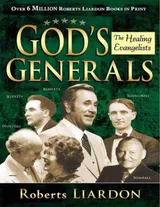
God's Generals: The Healing Evangelists
-160.webp)
God's Generals (Maria Woodworth)
About the Book
"God's Generals" by Roberts Liardon is a biography of Charles F. Parham, a key figure in the early Pentecostal movement. The book offers a detailed account of Parham's life, ministry, and impact on the Christian faith. Through Parham's story, readers gain insight into the beginnings of the Pentecostal movement and the importance of spiritual revival in modern Christianity.
Jack Coe
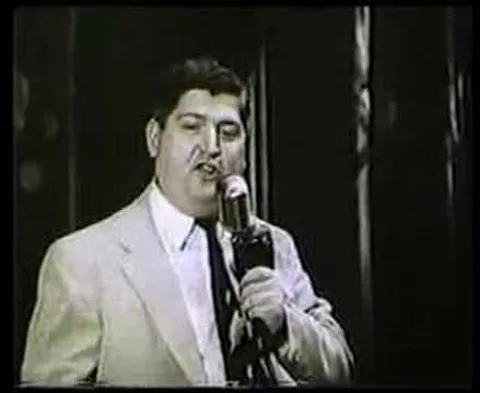 Jack G. Coe was born on March 11, 1918 in Oklahoma City, Oklahoma. His father, George, was a gambler and an alcoholic. His parents, although having been Christians, did not attend church. His grandparents, on his father's side were Christians but they were not able to influence their son's behavior. The couple had seven children in all. When Jack was five his father gambled away all their furniture and their house, leaving his mother Blanche destitute with seven children. They were devastated. His mother tried to make a new life by moving to Pennsylvania, but it was too hard. When Coe's father came to her house promising to change she agreed to reunite. The change did not last, however, and George went back to gambling.
Blanche left George for good, but only took her daughter with her this time. The boys were left with their father, which meant they were essentially left on their own. Often they did not have food to eat. Blanche did return to claim them, but could not care for them on her own. When Jack was nine he and his twelve year old brother was turned over to an orphanage. His older brother ran away, but was hit by a car and died. Jack struggled with rejection and abandonment. At seventeen he left the orphanage and began to drink, becoming an alcoholic like his father. He drank so much he had ulcers and his heart became enlarged. The doctor told him that if he didn't quit drinking he was going to die. Not knowing where else to go he moved to California to be near his mother. When he thought he was near death he promised God he would turn his life around and he was healed for a while. The family moved to Texas and he was drinking again. This time he heard God's voice "This is your last chance". The following Sunday he went to a Nazarene church and accepted Christ. He was radically changed. He went to church meetings almost every night, prayed, and read the Word constantly. After a year and a half he went to a Pentecostal meeting and was filled with the Holy Spirit and had a vision of Jesus.
Jack felt called to the ministry and went to and Assembly of God school called Southwestern Bible Institute, led by P.C. Nelson. He left in 1941 to join the army after the bombing of Pearl Harbor. He was so committed to God's purposes that he went to church every night. His sergeant sent him for psychiatric evaluation This happened several times while he was in the army. One day he was reading a book by P.C. Nelson on Healing when he fell asleep. He had a dream where he saw his sister close to death in a hospital but he saw a bright light come into her room and she was healed. He left immediately to see her and everything was as he'd seen it in a dream. She was healed and he was changed forever.
In 1944 Coe became ill with malaria. He was sent home because the doctors felt they could not help him. He sought the Lord who told him "preach the gospel". God healed him. He went out to preach and three people were saved. That year he was ordained as an Assembly of God minister. His healing experiences caused him to seek God about the gifts of healing. In 1945 he felt God called him to have a healing meeting. He went to Texas and announced in a church that God was going to heal the sick, cause the blind to see, and the deaf to hear. Those were bold words indeed! A woman received her sight that night. His ministry was launched. He began traveling over the country.
In 1946 God spoke to Coe and his wife Juanita to sell their house and start an itinerant ministry. They purchased a beat up truck and a ministry tent and began to live on the road. In 1948 God spoke to Coe to go to Redding, California. A woman, whose leg was about to be amputated, was healed and the news spread throughout the city. God blessed the couple and for the first time had enough money to be ahead on their finances. Healings and miracles regularly occurred in his meetings.
There were some very controversial things about Jack Coe. He believed that he should have a larger tent than other evangelists and went and measured Oral Roberts tent, then he ordered one larger. His style was dramatic and he often hit, slapped, or jerked people. He also would pull people out of wheelchairs. His speaking style was aggressive as he challenged people to believe God. He suggested that people who stood against him would be "struck dead by God". He was anti-medicine and told people not to go to doctors. He also encouraged interracial meetings.
In 1950 Coe began publishing the Herald of Healing magazine. Within six years it was being sent to over 350,000 people. God began to speak to Coe about opening an orphanage. He collected money for the project at every meeting. He sold his own home and began to build the children's home. His own family moved into the partially finished building so they would have a place to live. Coe eventually bought 200 acres outside of Dallas and built four dormitories and established a home farm. They could support 200 abandoned children.
In 1952 Coe began a radio ministry, which eventually was carried on over 100 radio stations. He also began having trouble with the Assembly of God organization. Although initially responsive to suggestions, he felt their goal was to limit the ministry. He suggested that the Assembly of God leadership had lost the belief in the miraculous and felt that they should be replaced. Needless to say this aggravated the situation. In 1953 Coe was expelled from the Assembly of God church. They felt that he was independent, extreme, prone to exaggeration, and they weren't sure about his ministry style. Coe felt that it was an attack against his success. He told people that "one of the officials made the remark to me that he would not rest until every man that was preaching divine healing in a deliverance ministry, separated from the General Council of the Assembly of God."
In 1953 Coe started his own church in Dallas. It was called the Dallas Revival Center. God spoke to him that it was important for those not getting healed to receive teaching about healing from the Word. In 1954 Coe opened a faith home, where people could stay for extended periods of time to receive prayer for healing. Teaching and prayer were given daily. 1956 was a pivotal year. While Coe was preaching in Miami he was arrested for practicing medicine without a license. This brought national attention to him and the ministry, both positive and negative. He was acquitted of practicing medicine without a license when the trial went to court.
At the end of 1956 Coe became ill. He had pushed himself night and day for years. He had poor eating habits and was overweight. He thought it was exhaustion but it was bulbar polio, a form of polio that affects the nerves. He became paralyzed, developed pneumonia, and died December 16, 1956.
Jack G. Coe was born on March 11, 1918 in Oklahoma City, Oklahoma. His father, George, was a gambler and an alcoholic. His parents, although having been Christians, did not attend church. His grandparents, on his father's side were Christians but they were not able to influence their son's behavior. The couple had seven children in all. When Jack was five his father gambled away all their furniture and their house, leaving his mother Blanche destitute with seven children. They were devastated. His mother tried to make a new life by moving to Pennsylvania, but it was too hard. When Coe's father came to her house promising to change she agreed to reunite. The change did not last, however, and George went back to gambling.
Blanche left George for good, but only took her daughter with her this time. The boys were left with their father, which meant they were essentially left on their own. Often they did not have food to eat. Blanche did return to claim them, but could not care for them on her own. When Jack was nine he and his twelve year old brother was turned over to an orphanage. His older brother ran away, but was hit by a car and died. Jack struggled with rejection and abandonment. At seventeen he left the orphanage and began to drink, becoming an alcoholic like his father. He drank so much he had ulcers and his heart became enlarged. The doctor told him that if he didn't quit drinking he was going to die. Not knowing where else to go he moved to California to be near his mother. When he thought he was near death he promised God he would turn his life around and he was healed for a while. The family moved to Texas and he was drinking again. This time he heard God's voice "This is your last chance". The following Sunday he went to a Nazarene church and accepted Christ. He was radically changed. He went to church meetings almost every night, prayed, and read the Word constantly. After a year and a half he went to a Pentecostal meeting and was filled with the Holy Spirit and had a vision of Jesus.
Jack felt called to the ministry and went to and Assembly of God school called Southwestern Bible Institute, led by P.C. Nelson. He left in 1941 to join the army after the bombing of Pearl Harbor. He was so committed to God's purposes that he went to church every night. His sergeant sent him for psychiatric evaluation This happened several times while he was in the army. One day he was reading a book by P.C. Nelson on Healing when he fell asleep. He had a dream where he saw his sister close to death in a hospital but he saw a bright light come into her room and she was healed. He left immediately to see her and everything was as he'd seen it in a dream. She was healed and he was changed forever.
In 1944 Coe became ill with malaria. He was sent home because the doctors felt they could not help him. He sought the Lord who told him "preach the gospel". God healed him. He went out to preach and three people were saved. That year he was ordained as an Assembly of God minister. His healing experiences caused him to seek God about the gifts of healing. In 1945 he felt God called him to have a healing meeting. He went to Texas and announced in a church that God was going to heal the sick, cause the blind to see, and the deaf to hear. Those were bold words indeed! A woman received her sight that night. His ministry was launched. He began traveling over the country.
In 1946 God spoke to Coe and his wife Juanita to sell their house and start an itinerant ministry. They purchased a beat up truck and a ministry tent and began to live on the road. In 1948 God spoke to Coe to go to Redding, California. A woman, whose leg was about to be amputated, was healed and the news spread throughout the city. God blessed the couple and for the first time had enough money to be ahead on their finances. Healings and miracles regularly occurred in his meetings.
There were some very controversial things about Jack Coe. He believed that he should have a larger tent than other evangelists and went and measured Oral Roberts tent, then he ordered one larger. His style was dramatic and he often hit, slapped, or jerked people. He also would pull people out of wheelchairs. His speaking style was aggressive as he challenged people to believe God. He suggested that people who stood against him would be "struck dead by God". He was anti-medicine and told people not to go to doctors. He also encouraged interracial meetings.
In 1950 Coe began publishing the Herald of Healing magazine. Within six years it was being sent to over 350,000 people. God began to speak to Coe about opening an orphanage. He collected money for the project at every meeting. He sold his own home and began to build the children's home. His own family moved into the partially finished building so they would have a place to live. Coe eventually bought 200 acres outside of Dallas and built four dormitories and established a home farm. They could support 200 abandoned children.
In 1952 Coe began a radio ministry, which eventually was carried on over 100 radio stations. He also began having trouble with the Assembly of God organization. Although initially responsive to suggestions, he felt their goal was to limit the ministry. He suggested that the Assembly of God leadership had lost the belief in the miraculous and felt that they should be replaced. Needless to say this aggravated the situation. In 1953 Coe was expelled from the Assembly of God church. They felt that he was independent, extreme, prone to exaggeration, and they weren't sure about his ministry style. Coe felt that it was an attack against his success. He told people that "one of the officials made the remark to me that he would not rest until every man that was preaching divine healing in a deliverance ministry, separated from the General Council of the Assembly of God."
In 1953 Coe started his own church in Dallas. It was called the Dallas Revival Center. God spoke to him that it was important for those not getting healed to receive teaching about healing from the Word. In 1954 Coe opened a faith home, where people could stay for extended periods of time to receive prayer for healing. Teaching and prayer were given daily. 1956 was a pivotal year. While Coe was preaching in Miami he was arrested for practicing medicine without a license. This brought national attention to him and the ministry, both positive and negative. He was acquitted of practicing medicine without a license when the trial went to court.
At the end of 1956 Coe became ill. He had pushed himself night and day for years. He had poor eating habits and was overweight. He thought it was exhaustion but it was bulbar polio, a form of polio that affects the nerves. He became paralyzed, developed pneumonia, and died December 16, 1956.
Positive and Negative Spiritual Signs of the End Times
Dear Roger, When I think of the signs of the End Times, I usually focus on the outward, visible signs. I’m familiar with what the Bible says about what will happen in nature, like oceans turning to blood, earthquakes, nuclear holocaust, and the battle of Armageddon. But too often, I think we all neglect the fact that there are spiritual signs as well, maybe because they’re not taught or discussed nearly as often. Could you please help me understand the spiritual signs leading up to the End Times? Sincerely, Peter Dear Peter, I’d be most happy to do that. Many today are preaching about the signs of the times. Yet, the world continues to scoff at the message of Christ. They don’t want to hear the truth, and they certainly don’t want to change their behavior for anything. You must understand this, that scoffers will come in the last days with scoffing, following their own passions … Thank you. (2 Peter 3:3, 8) The prophet Jeremiah also tells us that the heart of man is desperately wicked! The result is that mankind usually ignores the signs of God. For example, Noah's preaching fell on deaf ears! The testimony and miracles of Christ fell on deaf ears! Even when people watch in horror as a sign is fulfilled before their eyes, many refuse to believe the signs and repent. Instead, they curse God. The fourth angel poured his bowl on the sun, and it was allowed to scorch men with fire; … yet, they cursed the name of God who had power over these plagues, and they did not repent. (Revelation 16:8-9) As followers of Christ, the Bible encourages us to watch the signs of the times in preparation for Christ’s return. Jesus will come like a “Thief in night. … But you aren't in darkness for that day to surprise you like a thief!” (1 Thessalonians 5:2-4) So, read the signs and be ready. Jesus is coming like a thief! First, notice that these spiritual end-time signs involve the perversion of the gospel of Jesus Christ. Here are four negative spiritual signs that will herald the Lord’s return: 1. False Prophets Will Lead Many Astray “And many false prophets will arise and lead many astray” (Matthew 24:11). “For false Christs and prophets will arise and show great signs and wonders, so as to lead many astray, if possible, even the elect” Matthew 24:24). Sure enough, the landscape today is polluted with false prophets, both inside and outside of the Christian faith. For example, outside the Christian faith, we find Hindus, Buddhists, Taoists, and thousands of other non-Christian’s religions that pervert, replace, or contradict God’s Word. This isn’t a statement of “intolerance” as our culture would claim. It’s simply the truth, according to the Bible and the Gospel of Jesus Christ. We have little trouble seeing these for what they are. But the real danger is when they are within the church! These false prophets use Christian language and Christian symbols, but they do not know or profess Jesus Christ, who said, "I am the only way to God.” Witness some of the things taught in the name of Christ that are not true. Jehovah's Witnesses preach Jesus as the “Archangel Michael.” The Church of Christ Scientists and Unity Churches proclaim a Jesus who is a Spirit only. Both have very little to do with the real Jesus Christ who was both God and man. But without a physical body, there was no way for Jesus to resurrect from the dead! He must be fully God and fully man to pay the price for our sin and give us eternal life. Mormons erroneously teach that Jesus and Adam are brothers who have grown and matured into being higher planes of god. In fact, Mormons proclaim that Jesus is just one of a thousand gods. They teach that anyone can become a god. Unitarians speak of Jesus as nothing more than a good moral man. We are besieged on every side by these false prophets, so let me encourage you to keep constantly in mind the warnings of the Apostle Paul: Preach the word, be urgent in season and out of season, convince, rebuke, and exhort, be unfailing in patience and in teaching. For the time is coming when people will not endure sound teaching, but having itching ears they will accumulate for themselves teachers to suit their own likings, and will turn away from listening to the truth and wander in the myths.” (1 Timothy 4:1-3) A black apple with a black background 2. A Worldwide Revival of Satanism Will Occur Satan has ruled the world through deception since the Fall, and his rule will intensify as during the End Times. But I am afraid that just as Eve was deceived by the serpent’s cunning, your minds may somehow be led astray from your sincere and pure devotion to Christ. (2 Corinthians 11:3) For false messiahs and false prophets will appear and perform great signs and wonders to deceive, if possible, even the elect. (Mark 13:22) Think carefully about Satan’s deceptive powers in the Garden. If he could deceive perfect Eve, think what he can do with us! Evildoers and impostors will go from bad to worse, deceiving and being deceived. (2 Timothy 3:13) Don’t let anyone deceive you in any way, for that day will not come until the rebellion occurs and the man of lawlessness is revealed, the man doomed to destruction. (2 Thessalonians 2:3) You may notice that we hear of overt demonic battles in Third World countries. Spiritual warfare is obviously engaged there. You may wonder why we don’t see the same manifestations in America. The answer is simple. Satan doesn’t need to bring out his big guns against American Christians. He already has us trapped in materialism. And don’t miss this; Satan is also reading the signs of the times. He's launching his last great ego trip which Revelation says will reach its high point during his rule of the earth through his possessed puppet, the Antichrist. Satan is bold and brazen in his deceptions. He thinks he can win the final battle. He cannot. 3. Many Will Fall Away from Jesus and Commit Apostasy Those on the rocky ground are the ones who receive the word with joy when they hear it, but they have no root. They believe for a while, but in the time of testing they fall away. (Luke 8:13) Jesus also said, “Those who endure to the end shall be saved” (See Revelation 3:10). In other words, Jesus was saying that those who navigate the end days well will make it through the End Times. Placed in historical context, Revelation 3:14-19 Jesus shows us the state of the Christian church during the End Times. It is not a very pretty picture. Jesus said that the church at Laodicea was lukewarm. It was neither hot nor cold. He was about to spit it out of his mouth: You say, “I am rich; I have acquired wealth and do not need a thing.” But you do not realize that you are wretched, pitiful, poor, blind and naked. … Those whom I love, I rebuke and discipline. So be earnest and repent. Here I am I stand at the door and knock. If anyone hears my voice and opens the door, I will come in and eat with that person and they with me. (Revelation 3:17, 19-20) This church is wretched, poor, blind, and naked, yet it thinks it is rich! This church is so apostate that Christ is on the outside looking in! And this is the type of church that will be in existence when Jesus Christ returns! In fact, we are in the End Times. This is the state of the Christian Church today. It is not unusual to find Christian ministers and organizations condoning abortion, extramarital sex, and defending homosexuality. The Roman Catholic Church is shot through with corruption, superstition, pedophiles, and unbelief. Mainstream Protestantism is rushing toward a renunciation of the fundamental truths of Christianity. The World Council of Churches has rejected the Gospel of the Lord Jesus for the rankest form of liberal humanism! In Revelation, the apostle John also says this attitude of apostasy will result in a church that will unite politically with the revived Roman Empire and the Antichrist. He also illustrates it as the great harlot, drunk on the blood of saints, with which kings of the earth commit fornication. Truth and false word blocks on a scale 4. Many False “Christs” Will Arise In the New Age Movement, we are all Christ. What a damaging, dangerous claim! And how this deception perverts the truth that we are sinners and Jesus alone is our Savior. In Matthew 24, Jesus says, “For many will come in my name, claiming, ‘I am the Messiah,’ and will deceive many. … False messiahs and false prophets will appear and perform great signs and wonders to deceive, if possible, even the elect.” Be wary. Be ready. Be wise. Not only are we used to looking at natural, earthly signs of the End Times, we are also likely to catch onto the negative ones. But there will be several positive spiritual signs… ones that we can be inspired and encouraged by as we wait for Christ’s return. Here are 3 positive spiritual signs that will herald the Lord's return: 1. The true church will make herself pure and holy as the bride of Christ. Let us rejoice and be glad and give him glory! For the wedding of the Lamb has come, and his bride has made herself ready.” (Revelation 19:7) In this unparalleled season of persecution during the End Times, those who are alive shall realize a level of holiness and blamelessness of the quality in which Jesus Himself walked. Persecution and suffering always make the church grow stronger! 2. There will be a special outpouring of the Holy Spirit. Spiritual renewal will thrive throughout our world. We will see a sweet aroma of love and unity among Christians. I look forward to the day the prophet Joel described; I will pour out my Spirit on all people. Your sons and daughters will prophesy, your old men will dream dreams, your young men will see visions. Even on my servants, both men and women, I will pour out my Spirit in those days. I will show wonders in the heavens and on the earth, blood and fire and billows of smoke. The sun will be turned to darkness and the moon to blood before the coming of the great and dreadful day of the Lord. And everyone who calls on the name of the Lord will be saved (Joel 2:28-32) 3. “The gospel will be preached to all nations, then the end will come!” The Good News of the Gospel is going out around the world in ways that have never before been possible, thanks to the advent of the internet and other technology. The Bible has been translated into 75% of the languages on earth, with more translations happening every day. Missionaries are on the field in nearly every nation. The number of “unreached people groups” is decreasing fast. And this gospel of the kingdom will be preached in the whole world as a testimony to all nations, and then the end will come. (Matthew 24:14) Our God is a God of great mercy and incredible love. And it is out of His mercy that Christ has yet to return … to give as many people as possible the opportunity to hear the Gospel and respond. Let me leave you with this. We are blessed to be living in the most exciting times of the Lord's return in triumph! But these days are a blessing only to those who know the Lord. Without knowing Jesus and the eternal hope we have in Him, these must be terrible days as we are confronted daily with wars and rumors of wars and natural catastrophes and famines and inhumanity and breakdown of values and morals and collapse of the economy. Therefore, as we watch for signs of the End Times, may we seek to share His love far and wide. May we never be discouraged by the negative spiritual signs we encounter, because they point directly to Christ’s return. And may we be encouraged that eternal life with Him is near! Dr. Roger Barrier
-480.webp)
-480.webp)