
Others like god's generals: jack coe Features >>
God's Generals: Evan Roberts
God's Generals - The Revivalists
-160.webp)
God's Generals (William J. Seymour)
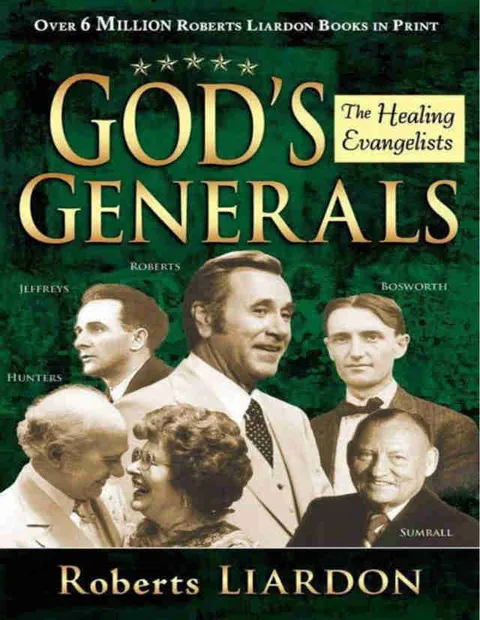
God's Generals: The Healing Evangelists
God's Generals: The Roaring Reformers

God's Generals: William Branham
-160.webp)
God's Generals (Maria Woodworth)
God's Generals - The Missionaries
-160.webp)
God's Generals (William Branham)
-160.webp)
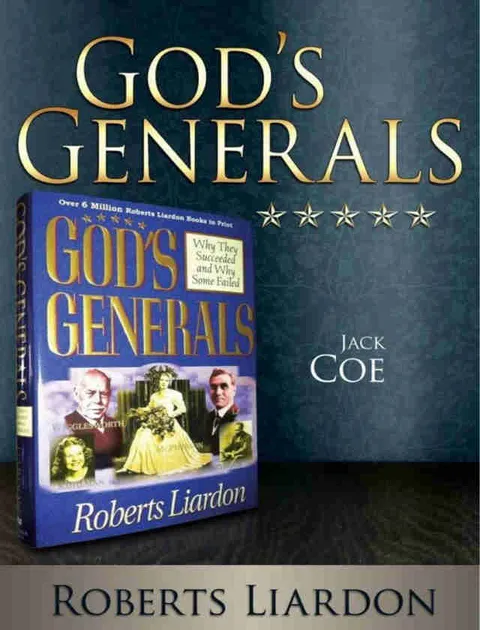
God's Generals (Jack Coe)
About the Book
"God's Generals: Jack Coe" by Roberts Liardon provides a detailed account of the life and ministry of healing evangelist Jack Coe. The book explores his spiritual journey, his powerful healing crusades, and his impact on the Pentecostal movement in the mid-20th century. It reveals Coe's unwavering faith, charismatic personality, and the miracles he performed through the power of God. Liardon presents Coe as a true pioneer in the realm of faith-healing and a compelling example of a modern-day prophet.
Gregory Thaumaturgus
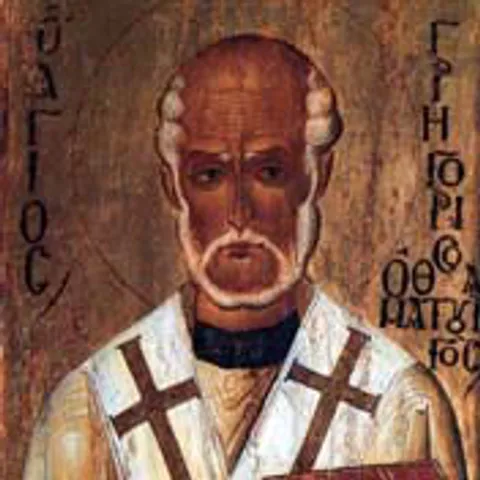 Gregory the Wonderworker’s Early life
Gregory was born in a Pontus, a region on the southern coast of the Black Sea, located in the modern-day eastern Black Sea Region of Turkey, around 212-13. His was a wealthy home and his parents named him Theodore (Gift of God) despite their pagan beliefs. When he was 14 years old his father died and soon after, he and his brother, Athenodorus, were anxious to study law at Beirut, Lebanon, then one of the four of five famous schools in the Hellenic world.
Influence of Origen
However, on the way, they first had to escort their sister to rejoin her husband, who was a government official assigned to Caesarea in Palestine (modern Haifa, Israel). When they arrived they learned that the celebrated scholar Origen, head of the catechetical school of Alexandria, lived there.
Inquisitiveness led them to hear and speak with the Origen and his irresistible charm quickly won their hearts. They soon dropped their desires for a life in Roman law, became Christian believers and pupils of Origen, learning philosophy and theology, for somewhere between five and eight years. Origen also baptised Gregory.
Pastor (then Bishop) of Neoceasarea
Gregory returned to his native Pontus with the intention of practicing oratory, but also to write a book proving the truth of Christianity, revealing his evangelistic heart. But his plans were disrupted when locals noticed his passion for Christ and his spiritual maturity. There were just seventeen Christians in Neoceasarea when Gregory arrived and this small group persuaded him to lead them as their bishop. (‘bishop’ simply meant a local overseer). At the time, Neocaesarea was a wicked, idolatrous province.
Signs of the Spirit
By his saintly life, his direct and lively preaching, helping the needy and settling quarrels and complaints, Gregory began to see many converts to Christ. But it was the signs and wonders that particularly attracted people to Christ.
En route to Neocaesarea from Amasea, Gregory expelled demons from a pagan temple, its priest converted to Christ immediately.
Once, when he was conversing with philosophers and teachers in the city square, a notorious harlot came up to him and demanded payment for the sin he had supposedly committed with her. At first Gregory gently remonstrated with her, saying that she perhaps mistook him for someone else.
But the loose woman would not be silenced. He then asked a friend to give her the money. Just as the woman took the unjust payment, she immediately fell to the ground in a demonic fit, and the fraud became evident. Gregory prayed over her, and the devil left her. This was the beginning of Gregory’s miracles. It was at this time he became known as ‘Gregory Thaumaturgus,’ ‘Gregory the Miracle Worker’ (or Wonderworker).
At one point Gregory wanted to flee from the worldly affairs into which influential townsmen persistently sought to push him. He went into the desert, where by fasting and prayer he developed an intimacy with God and received gifts of knowledge, wisdom and prophecy. He loved life in the wilderness and wanted to remain in solitude with God until the end of his days, but the Lord willed otherwise.
His theological contribution
Though he was primarily an evangelist and pastor, Gregory also had a deep theological understanding.
His principal work ‘The Exposition of Faith’, was a theological apology for Trinitarian belief. It incorporated his doctrinal instructions to new believers, expressed his arguments against heretical groups and was widely influential amongst leaders in the Patristic period: Basil the Great, Gregory the Theologian, and Gregory of Nyssa (The Cappadocian Fathers). It was the forerunner of the Nicene Creed that was to appear in the early 4th century.
In summary
He gave himself to the task of the complete conversion of the population of his diocese. The transformation in Neocaesarea was astonishing. Persuasive preaching, numerous healings and miraculous signs had a powerful effect. Such was his success that it was said that when Gregory became bishop (c 240) he found only seventeen Christians in his diocese; when he died only seventeen remained pagan (Latourette 1953:76).
Basil the Great’s Testimony
Basil the Great (330-379, Bishop of Caesarea, in his work ‘On the Spirit’ wrote the following account of Gregory the wonder-worker.
“But where shall I rank the great Gregory, and the words uttered by him? Shall we not place among Apostles and Prophets a man who walked by the same Spirit as they; who never through all his days diverged from the footprints of the saints; who maintained, as long as he lived, the exact principles of evangelical citizenship?
I am sure that we shall do the truth a wrong if we refuse to number that soul with the people of God, shining as it did like a beacon in the Church of God: for by the fellow-working of the Spirit the power which he had over demons was tremendous, and so gifted was he with the grace of the word ‘for obedience to the faith among. . .the nations.’ that, although only seventeen Christians were handed over to him, he brought the whole people alike in town and country through knowledge to God.
He too by Christ’s mighty name commanded even rivers to change their course, and caused a lake, which afforded a ground of quarrel to some covetous brethren, to dry up. Moreover, his predictions of things to come were such as in no wise to fall short of those of the great prophets. To recount all his wonderful works in detail would be too long a task. By the superabundance of gifts, wrought in him by the Spirit, in all power and in signs and in marvels, he was styled a second Moses by the very enemies of the Church.
Thus, in all that he through grace accomplished, alike by word and deed, a light seemed ever to be shining, token of the heavenly power from the unseen which followed him. To this day he is a great object of admiration to the people of his own neighborhood, and his memory, established in the churches ever fresh and green, is not dulled by length of time. (Schaff and Wace nd., Series 2. 8:46-47).
“Gregory was a great and conspicuous lamp, illuminating the church of God.” —Basil the Great.
Gregory the Wonderworker’s Early life
Gregory was born in a Pontus, a region on the southern coast of the Black Sea, located in the modern-day eastern Black Sea Region of Turkey, around 212-13. His was a wealthy home and his parents named him Theodore (Gift of God) despite their pagan beliefs. When he was 14 years old his father died and soon after, he and his brother, Athenodorus, were anxious to study law at Beirut, Lebanon, then one of the four of five famous schools in the Hellenic world.
Influence of Origen
However, on the way, they first had to escort their sister to rejoin her husband, who was a government official assigned to Caesarea in Palestine (modern Haifa, Israel). When they arrived they learned that the celebrated scholar Origen, head of the catechetical school of Alexandria, lived there.
Inquisitiveness led them to hear and speak with the Origen and his irresistible charm quickly won their hearts. They soon dropped their desires for a life in Roman law, became Christian believers and pupils of Origen, learning philosophy and theology, for somewhere between five and eight years. Origen also baptised Gregory.
Pastor (then Bishop) of Neoceasarea
Gregory returned to his native Pontus with the intention of practicing oratory, but also to write a book proving the truth of Christianity, revealing his evangelistic heart. But his plans were disrupted when locals noticed his passion for Christ and his spiritual maturity. There were just seventeen Christians in Neoceasarea when Gregory arrived and this small group persuaded him to lead them as their bishop. (‘bishop’ simply meant a local overseer). At the time, Neocaesarea was a wicked, idolatrous province.
Signs of the Spirit
By his saintly life, his direct and lively preaching, helping the needy and settling quarrels and complaints, Gregory began to see many converts to Christ. But it was the signs and wonders that particularly attracted people to Christ.
En route to Neocaesarea from Amasea, Gregory expelled demons from a pagan temple, its priest converted to Christ immediately.
Once, when he was conversing with philosophers and teachers in the city square, a notorious harlot came up to him and demanded payment for the sin he had supposedly committed with her. At first Gregory gently remonstrated with her, saying that she perhaps mistook him for someone else.
But the loose woman would not be silenced. He then asked a friend to give her the money. Just as the woman took the unjust payment, she immediately fell to the ground in a demonic fit, and the fraud became evident. Gregory prayed over her, and the devil left her. This was the beginning of Gregory’s miracles. It was at this time he became known as ‘Gregory Thaumaturgus,’ ‘Gregory the Miracle Worker’ (or Wonderworker).
At one point Gregory wanted to flee from the worldly affairs into which influential townsmen persistently sought to push him. He went into the desert, where by fasting and prayer he developed an intimacy with God and received gifts of knowledge, wisdom and prophecy. He loved life in the wilderness and wanted to remain in solitude with God until the end of his days, but the Lord willed otherwise.
His theological contribution
Though he was primarily an evangelist and pastor, Gregory also had a deep theological understanding.
His principal work ‘The Exposition of Faith’, was a theological apology for Trinitarian belief. It incorporated his doctrinal instructions to new believers, expressed his arguments against heretical groups and was widely influential amongst leaders in the Patristic period: Basil the Great, Gregory the Theologian, and Gregory of Nyssa (The Cappadocian Fathers). It was the forerunner of the Nicene Creed that was to appear in the early 4th century.
In summary
He gave himself to the task of the complete conversion of the population of his diocese. The transformation in Neocaesarea was astonishing. Persuasive preaching, numerous healings and miraculous signs had a powerful effect. Such was his success that it was said that when Gregory became bishop (c 240) he found only seventeen Christians in his diocese; when he died only seventeen remained pagan (Latourette 1953:76).
Basil the Great’s Testimony
Basil the Great (330-379, Bishop of Caesarea, in his work ‘On the Spirit’ wrote the following account of Gregory the wonder-worker.
“But where shall I rank the great Gregory, and the words uttered by him? Shall we not place among Apostles and Prophets a man who walked by the same Spirit as they; who never through all his days diverged from the footprints of the saints; who maintained, as long as he lived, the exact principles of evangelical citizenship?
I am sure that we shall do the truth a wrong if we refuse to number that soul with the people of God, shining as it did like a beacon in the Church of God: for by the fellow-working of the Spirit the power which he had over demons was tremendous, and so gifted was he with the grace of the word ‘for obedience to the faith among. . .the nations.’ that, although only seventeen Christians were handed over to him, he brought the whole people alike in town and country through knowledge to God.
He too by Christ’s mighty name commanded even rivers to change their course, and caused a lake, which afforded a ground of quarrel to some covetous brethren, to dry up. Moreover, his predictions of things to come were such as in no wise to fall short of those of the great prophets. To recount all his wonderful works in detail would be too long a task. By the superabundance of gifts, wrought in him by the Spirit, in all power and in signs and in marvels, he was styled a second Moses by the very enemies of the Church.
Thus, in all that he through grace accomplished, alike by word and deed, a light seemed ever to be shining, token of the heavenly power from the unseen which followed him. To this day he is a great object of admiration to the people of his own neighborhood, and his memory, established in the churches ever fresh and green, is not dulled by length of time. (Schaff and Wace nd., Series 2. 8:46-47).
“Gregory was a great and conspicuous lamp, illuminating the church of God.” —Basil the Great.
How Could We Be Silent
Much to my surprise, I became a Christian as a teenager. But when I did, I was quite determined to be a secret Christian. This was partly because, to be honest, I didn’t like most of the Christians I knew. But it was also partly because, living in a very post-Christian Scotland, I wasn’t sure I could bear the social stigma. Then one day the small group of Christians at my local school found me out. And they asked if I would be willing to speak on their behalf in a debate which involved an atheist, an agnostic, a liberal Christian, and an evangelical Christian (I was to fill that last slot). With some reluctance, I agreed. After the debate, the head of the English department came up to me, shook my hand, and said, “Congratulations, young man. That is the finest performance I have ever heard you give. You almost had me persuaded that you really were a Christian.” I replied, “Sir, I am. And that is the last time anyone will say that to me!” From then on, I have tried to live my faith openly, speaking up for Christ as boldly and graciously as God enables me to, and praying he’d give me the wisdom to say a word in season for the weary, the lost, the enemy, and the seeker. Speak Up What do I mean by speaking up? Some associate it with big public protests or demonstrations. But that is not what I’m talking about here. Did Paul, Barnabas, and Luke join forces with Lydia, Priscilla, and Aquila to organize demonstrations and marches in Greek cities to protest idolatry and the emperor cult? Sometimes when we hear the exhortation that Christians should be speaking up, that’s the image we have in mind: political action, media pressure, demonstrations, and protests. But that’s not what the New Testament church did. And in an increasingly hostile and anti-Christian West, it’s not normally what we should do either. Now, of course, there’s a place for Christians to use media and other public forums to prophetically speak truth to power in our degenerate cultures, and a few of us are called to do this. But most of us aren’t called to address the masses or the power elites, but to speak up for Jesus, proclaim his word, declare his glory, advocate for his people, and defend the poor right where we are, in the spheres of influence we are given. In Scotland, when we take each other aside for a quick chat, we will sometimes say, “Can I have a wee word?” That phrase is appropriate for this discussion. When I talk about speaking up as a Christian, I mean having a “wee word” about Jesus to the people we meet. Let me give a couple of personal examples. Ordinary, Courageous Speaking As a pastor, evangelist, and apologist, I now do a lot of speaking up for Christ in many public forums. But the vast majority of us Christians are called to speak up in our ordinary spheres. And when we do, doors open. I think of the football player who, when we met for lunch, quickly told me that he was a born-again Christian. A friend that he had brought along asked, “Am I one of those born-again Christians?” The new footballer replied, “If you have to ask, you probably are not!” From that discussion began a Bible study with some of the other players. Speaking up opened a real door for the gospel. And then there’s the secretary who, after attending an author’s lecture on Christian courage at a bookstore, returned to work the next day and told her boss that she was ashamed that she had never once mentioned she was a Christian, even though she had worked in that office for several years. The boss, not a believer himself, was delighted and told a colleague who happened to be an elder in a local evangelical church. And how can I forget the parent who, with trembling knees, went to the head teacher of her local school to ask why a form of sex education that went against the Creator’s instructions was being indoctrinated into the children. Rather than being laughed at or ignored (as she feared), the head teacher listened and sought to make some programmatic changes. And how about the social worker who worked with mostly atheist colleagues. Her patient witness, hard work, cheerful disposition, and refusal to live by the standards of the culture resulted many years later in a couple of her colleagues coming to church, and one of them becoming a believer. Break the Silence Patience is needed. Speaking up is not easy. We speak up because we love Jesus and we want to see him glorified. We speak up, not to defend ourselves, but because we love those we are speaking to and want them to share in the greatest gift of all: Christ. Here is the great promise for every Christian: when we speak up in faithfulness to God’s word, it is not we who are speaking, but the Holy Spirit who is speaking through us (Mark 13:11; 2 Corinthians 5:20). And his word will never return to him empty (Isaiah 55:11). For any who know and experience the beauty and glory of Christ, the question is not whether we should speak up, but rather how on earth can we keep silent? Article by David Robertson