


Others like god's generals: a. a. allen Features >>
God's Generals: Why They Succeeded And Why Some Failed
God's Generals - The Revivalists
God's Generals: The Missionaries
-160.webp)
God's Generals (Aimee Semple Mcpherson)
God's Generals: The Healing Evangelists
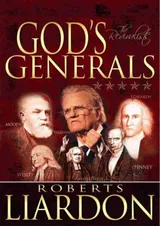
God's Generals: The Revivalists
-160.webp)
God's Generals (Charles F. Parham)
-160.webp)
God's Generals (Maria Woodworth)
-160.webp)
God's Generals (A. A. Allen)
-160.webp)
God's Generals (Jack Coe)
About the Book
"God's Generals: A. A. Allen" by Roberts Liardon provides a detailed account of the life and ministry of A. A. Allen, a prominent American evangelist known for his healing and deliverance services. The book highlights Allen's passion for spreading the gospel and his impact on the Christian community through his powerful messages and miraculous healing crusades.
Kathryn Kuhlman
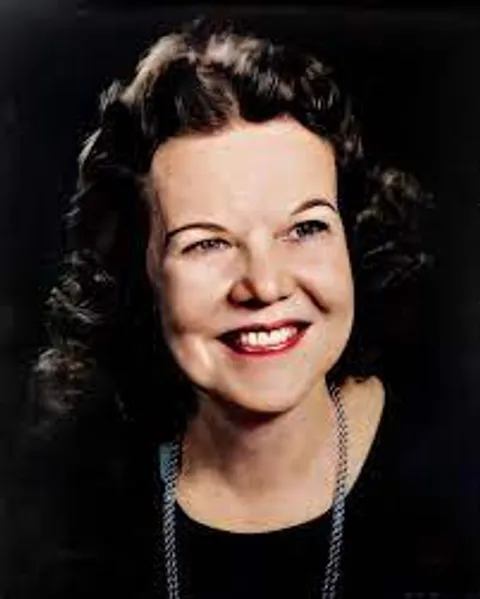 Kathryn Johanna Kuhlman was born on May 9, 1907, in Concordia, Missouri. Her parents were German and she was one of four children. Her mother was a harsh disciplinarian, who showed little love or affection. On the other hand, she had an extremely close and loving relationship with her father. She would describe, as a small child how, her father would come home from work and she would hang on his leg and cling to him. She often said that her relationship with God the Father was extremely real because of her relationship with her own father.
Kuhlman was converted, when she was 14, at an evangelistic meeting held in a small Methodist church. When she was 16 she graduated from high school, which only went to tenth grade in their town. He older sister Myrtle had married an itinerant evangelist, Everett B. Parrott. They spent their time traveling and asked that Kathryn could join them for the summer. Her parents agreed and she went to Oregon to help out. She worked with them, and often gave her testimony. When the summer was over she wanted to stay, and the couple agreed. She ended up working with them for five years.
The evangelistic team was made up of four people, Everette, Myrtle, Kathryn, and pianists named Helen Gulliford. In 1928 Everette missed a meeting in Boise, Idaho. Myrtle and Kathryn preached to cover for Everette. The pastor of the church encouraged Kathryn to step out on her own. Helen agreed to join her. Her first sermon was in a run-down pool hall in Boise, Idaho. The team covered Idaho, Utah, and Colorado for the following five years. In 1933 they moved into Pueblo, Colorado. They set up in an abandoned Montgomery Ward warehouse. They stayed there for six months.
Denver, being a much bigger city, was the next stop. They moved several times but ended up in a paper company's warehouse, which they named the Kuhlman Revival Tabernacle. Then in 1935 they moved once more to an abandoned truck garage they named the Denver Revival Tabernacle. Kathryn was seeing a lot of success in Denver. The church grew to about 2000 members. She began a radio show called "Smiling Through" and invited speakers from all over the country. One of them was Phil Kerr who taught on divine healing. In 1935 another invited evangelist was Burroughs Waltrip.
Waltrip was bad news for Kuhlman. He was a charismatic, handsome man several years older than she was. There was an immediate attraction, and one family claims to have seen the couple embracing in 1935, but he was married and had two children. Waltrip left Denver and went home to Austin, Texas, but the relationship simmered between Kuhlman and Waltrip. In 1937 he was invited back to Denver to take the pulpit for two months. Shortly after he divorced his wife and abandoned his two sons. He then spread the story that his wife had left him. He moved to Mason City, Iowa, where he told everyone he was single, and started a new ministry. Waltrip raised pledges of $70,000 to build a ministry building called Radio Chapel. It was state of the art with a disappearing pulpit and an art deco style. He appeared to be a successful and dynamic preacher.
There was an ongoing relationship between Kuhlman and Waltrip, and they married in September 1938. Kuhlman was naive about the consequences of her choices and the marriage was a disaster. She announced to her church that she and Waltrip were married and they would go between Denver and Mason City preaching at their two churches. Most of the people in her congregation left due to her relationship with Waltrip. She gave up her church in Denver, lost some of her closest associates, and moved to Mason City. Waltrip's success turned out to be a pipe dream as well. The Radio Chapel was completed in June of 1938. By October 1938 Waltrip could not meet his debts. In December Waltrip was demanding a higher salary, even with the shortfall in income. His Board of Directors quit and left him to deal with the finances. His solution was not to pay the mortgage or debts on the Chapel. Radio Chapel went into bankruptcy. Waltrip's last sermon was in May 1939. The Waltrips were on their own. Kathryn's happy vision of she and her husband flying back and forth between Denver and Mason City with a successful preaching careers was utterly demolished.
The next few years were very hard for the couple. They embarked on the road as traveling evangelists, primarily staying in the Midwest. They were not accepted in many places due to their marriage history. Initial advertisements listed Waltrip as the primary evangelist. Then occasionally Mrs. Waltrip was also mentioned. By the early 1940s Kathryn Kuhlman Waltrip was given equal billing. Finally by the mid-1940s Kathryn was using only Kathryn Kuhlman in meetings where she was the primary speaker. In 1944 Kuhlman went on an evangelistic tour on the east coast without Waltrip. It may have been a conscious decision to leave him, or she may also have taken the opportunity to reassess her life. It appears to have been more gradual as Waltrip wrote about them as a couple as late as 1946. Kuhlman never returned to Waltrip and they eventually divorced in 1947. She left her marriage behind and from then on acted as if it never existed in the first place.
In 1946 Kuhlman was asked to speak in Franklin, Pennsylvania. She was well received and decided to stay in the area. Kuhlman began preaching on radio broadcasts in Oil City, Pennsylvania. These became so popular they were picked up in Pittsburgh, and she was preaching throughout the area. She began to preach about the healing power of God. In 1947 a woman was healed of a tumor while listening to Kuhlman preach. Several Sundays later a man was also healed while she was teaching on the Holy Spirit. She was now convinced of God's healing work. One important thing to note is the context and timing of this breakout period in Kuhlman's life. 1947 was the beginning of the Healing Revival (sometimes referred to as the Latter Rain Revival) that would last for the next 10 years. What was happening in Kuhlman's meetings was breaking out across the United States. It was in this time frame that the Voice of Healing Ministry was established and men like William Branham, Oral Roberts, A.A. Allen and many others were propelled onto the public stage. Kuhlman was not associated with those groups, but stepped into the flow of what God's Spirit was doing across the nation and the world.
In 1948 Kuhlman held a series of meetings at Carnegie Hall in Pittsburgh. She eventually moved to Pittsburgh in 1950, and continued to hold meetings at Carnegie Hall until 1971. She was used by God to bring the charismatic message to many denominational churches, including the Catholic Church. (She received a lot of criticism over this and was accused of being a closet Catholic.) These were her best known years. Her style was flamboyant. She would hold her famous miracle services and the auditorium was filled to capacity every time. She was on radio and television shows. She was ordained in 1968 by the Evangelical Church Alliance. Hundreds of people were healed in her meetings, and even while listening to her on the radio or television. People she prayed for would often be hit with the power of God and be "slain in the Spirit." Kuhlman never claimed that she was the healer. She always pointed people to Jesus as their healer.
Kuhlman had been diagnosed with a heart problem in 1955. She kept a very busy schedule and overworked herself, especially in the 1970's. She traveled back and forth from Pittsburgh to Los Angeles frequently, as well as taking trips around the world. Her heart was enlarged and Kuhlman died on February 20, 1976, in Tulsa, following open-heart surgery. Videos of some of her services are still available and continue to be popular today.
Kathryn Johanna Kuhlman was born on May 9, 1907, in Concordia, Missouri. Her parents were German and she was one of four children. Her mother was a harsh disciplinarian, who showed little love or affection. On the other hand, she had an extremely close and loving relationship with her father. She would describe, as a small child how, her father would come home from work and she would hang on his leg and cling to him. She often said that her relationship with God the Father was extremely real because of her relationship with her own father.
Kuhlman was converted, when she was 14, at an evangelistic meeting held in a small Methodist church. When she was 16 she graduated from high school, which only went to tenth grade in their town. He older sister Myrtle had married an itinerant evangelist, Everett B. Parrott. They spent their time traveling and asked that Kathryn could join them for the summer. Her parents agreed and she went to Oregon to help out. She worked with them, and often gave her testimony. When the summer was over she wanted to stay, and the couple agreed. She ended up working with them for five years.
The evangelistic team was made up of four people, Everette, Myrtle, Kathryn, and pianists named Helen Gulliford. In 1928 Everette missed a meeting in Boise, Idaho. Myrtle and Kathryn preached to cover for Everette. The pastor of the church encouraged Kathryn to step out on her own. Helen agreed to join her. Her first sermon was in a run-down pool hall in Boise, Idaho. The team covered Idaho, Utah, and Colorado for the following five years. In 1933 they moved into Pueblo, Colorado. They set up in an abandoned Montgomery Ward warehouse. They stayed there for six months.
Denver, being a much bigger city, was the next stop. They moved several times but ended up in a paper company's warehouse, which they named the Kuhlman Revival Tabernacle. Then in 1935 they moved once more to an abandoned truck garage they named the Denver Revival Tabernacle. Kathryn was seeing a lot of success in Denver. The church grew to about 2000 members. She began a radio show called "Smiling Through" and invited speakers from all over the country. One of them was Phil Kerr who taught on divine healing. In 1935 another invited evangelist was Burroughs Waltrip.
Waltrip was bad news for Kuhlman. He was a charismatic, handsome man several years older than she was. There was an immediate attraction, and one family claims to have seen the couple embracing in 1935, but he was married and had two children. Waltrip left Denver and went home to Austin, Texas, but the relationship simmered between Kuhlman and Waltrip. In 1937 he was invited back to Denver to take the pulpit for two months. Shortly after he divorced his wife and abandoned his two sons. He then spread the story that his wife had left him. He moved to Mason City, Iowa, where he told everyone he was single, and started a new ministry. Waltrip raised pledges of $70,000 to build a ministry building called Radio Chapel. It was state of the art with a disappearing pulpit and an art deco style. He appeared to be a successful and dynamic preacher.
There was an ongoing relationship between Kuhlman and Waltrip, and they married in September 1938. Kuhlman was naive about the consequences of her choices and the marriage was a disaster. She announced to her church that she and Waltrip were married and they would go between Denver and Mason City preaching at their two churches. Most of the people in her congregation left due to her relationship with Waltrip. She gave up her church in Denver, lost some of her closest associates, and moved to Mason City. Waltrip's success turned out to be a pipe dream as well. The Radio Chapel was completed in June of 1938. By October 1938 Waltrip could not meet his debts. In December Waltrip was demanding a higher salary, even with the shortfall in income. His Board of Directors quit and left him to deal with the finances. His solution was not to pay the mortgage or debts on the Chapel. Radio Chapel went into bankruptcy. Waltrip's last sermon was in May 1939. The Waltrips were on their own. Kathryn's happy vision of she and her husband flying back and forth between Denver and Mason City with a successful preaching careers was utterly demolished.
The next few years were very hard for the couple. They embarked on the road as traveling evangelists, primarily staying in the Midwest. They were not accepted in many places due to their marriage history. Initial advertisements listed Waltrip as the primary evangelist. Then occasionally Mrs. Waltrip was also mentioned. By the early 1940s Kathryn Kuhlman Waltrip was given equal billing. Finally by the mid-1940s Kathryn was using only Kathryn Kuhlman in meetings where she was the primary speaker. In 1944 Kuhlman went on an evangelistic tour on the east coast without Waltrip. It may have been a conscious decision to leave him, or she may also have taken the opportunity to reassess her life. It appears to have been more gradual as Waltrip wrote about them as a couple as late as 1946. Kuhlman never returned to Waltrip and they eventually divorced in 1947. She left her marriage behind and from then on acted as if it never existed in the first place.
In 1946 Kuhlman was asked to speak in Franklin, Pennsylvania. She was well received and decided to stay in the area. Kuhlman began preaching on radio broadcasts in Oil City, Pennsylvania. These became so popular they were picked up in Pittsburgh, and she was preaching throughout the area. She began to preach about the healing power of God. In 1947 a woman was healed of a tumor while listening to Kuhlman preach. Several Sundays later a man was also healed while she was teaching on the Holy Spirit. She was now convinced of God's healing work. One important thing to note is the context and timing of this breakout period in Kuhlman's life. 1947 was the beginning of the Healing Revival (sometimes referred to as the Latter Rain Revival) that would last for the next 10 years. What was happening in Kuhlman's meetings was breaking out across the United States. It was in this time frame that the Voice of Healing Ministry was established and men like William Branham, Oral Roberts, A.A. Allen and many others were propelled onto the public stage. Kuhlman was not associated with those groups, but stepped into the flow of what God's Spirit was doing across the nation and the world.
In 1948 Kuhlman held a series of meetings at Carnegie Hall in Pittsburgh. She eventually moved to Pittsburgh in 1950, and continued to hold meetings at Carnegie Hall until 1971. She was used by God to bring the charismatic message to many denominational churches, including the Catholic Church. (She received a lot of criticism over this and was accused of being a closet Catholic.) These were her best known years. Her style was flamboyant. She would hold her famous miracle services and the auditorium was filled to capacity every time. She was on radio and television shows. She was ordained in 1968 by the Evangelical Church Alliance. Hundreds of people were healed in her meetings, and even while listening to her on the radio or television. People she prayed for would often be hit with the power of God and be "slain in the Spirit." Kuhlman never claimed that she was the healer. She always pointed people to Jesus as their healer.
Kuhlman had been diagnosed with a heart problem in 1955. She kept a very busy schedule and overworked herself, especially in the 1970's. She traveled back and forth from Pittsburgh to Los Angeles frequently, as well as taking trips around the world. Her heart was enlarged and Kuhlman died on February 20, 1976, in Tulsa, following open-heart surgery. Videos of some of her services are still available and continue to be popular today.
you don’t have to know god’s will
You don’t have to know God’s will if you are confident in God’s word. If that raises objections, trust me, I understand. Like you, I have significant questions that I don’t have answers for. I have personal quandaries, parenting quandaries, ministry quandaries, financial quandaries, etc. Some are massively important and I’m not sure what to do. This can tempt me to fear. I’ve prayed about these things, some for quite a while. Clarity has not yet come. But over the decades I’ve followed him, Jesus has made something very clear to me in the Scriptures, the lives of eminent saints, and my own stumbling experience: Living in the will of God is more about knowing and trusting his specific promises than receiving specific direction (Hebrews 11:8). It’s more about resting in his sovereignty than wrestling with my ambiguity (Psalm 131:1–2). I’ve learned and continue to learn that embracing God’s will for me largely consists in transferring my confidence from my own miniscule capacity to understand what’s going on and why to God’s omniscient and completely wise understanding (Proverbs 3:5–6). Our Felt Need Is Often Not Our Fundamental Need As the result of the fall, we all come into the world wildly and irrationally over-confident in ourselves. When God redeems us in Christ, he enrolls us in a discipleship program uniquely tailored to the purposes he has for each of us. He knows that for us to live according to his will, our fundamental need is a significant loss of self-confidence and a significant gain in God-confidence. But this is usually not our felt need. The need we typically feel is to know specifically what we’re supposed to do, where we’re supposed to go, how our needs will be provided, or why the terrible thing happened. “Living in the will of God is more about resting in his sovereignty than wrestling with your ambiguity.” What we’re seeking for and hope to find in those answers are certainty and security — peace. But due to our manifold limitations on every level, the answers we think we want would rarely provide us the peace we seek. God knows his explanations would not even make sense to us since we lack the capacities to comprehend the complexity of the equation. That’s why Hudson Taylor counsels us to, “make up your mind that God is an infinite Sovereign, and has the right to do as He pleases with His own, and he may not explain to you a thousand things which may puzzle your reason in His dealings with you.” (A Camaraderie of Confidence, 31) Our infinite Sovereign knows that our fundamental need is to learn to trust him over our very finite selves. He knows that trust will provide us what explanations won’t: the peace that surpasses understanding (Philippians 4:7). That’s why when we pray about God’s will for us, God’s answers often aim at addressing this fundamental need: learning to trust him over our understanding (Proverbs 3:5). But because we are focused on our felt needs, we often fail to recognize God’s answers at first. He is addressing a need we have, but don’t feel. So it can seem like God is ignoring our need for the peace we long for. How God Meets Our Need for Peace But God is most certainly not ignoring our need for peace. He has promised that we will experience peace through believing (Romans 15:13). Believing what? Believing his “precious and very great promises” (2 Peter 1:4). This is what I mean when I say that we don’t need to know God’s will if we are confident in God’s word. When God’s direction and purposes for us are unclear, his promises are always crystal clear. God frequently calls us to stand on the rock of his promises and faithfulness in the murky, swirling fog of perplexing circumstances (Hebrews 10:23). Is this not the story of almost every biblical saint? “When God’s direction and purposes for us are unclear, his promises are always crystal clear.” God’s promises are the checks that are accepted at the bank of heaven. They are God’s promissory notes to us, guaranteeing that he will make good on the value they represent. No matter how things appear at any given time, no matter how dark, foreboding, lonely, depressing, even hopeless things look, God always makes good on his promises. And he wants us to cash them. That’s why Charles Spurgeon said, “When I pray, I like to go to God just as I go to a bank clerk when I have [a] cheque to be cashed. I walk in, put the cheque down on the counter, and the clerk gives me my money, I take it up, and go about my business.” (A Camaraderie of Confidence, 54) That almost sounds flippant. It’s not. It’s experience. If there is anything we can legitimately name and claim as Christians, it is a clear promise of God. We cannot claim it on our own terms or timing, but we can in good conscience hold God to it, because it is God’s will to say yes in Christ to every promise he makes to us in the Bible (2 Corinthians 1:20). God’s word is as good as God. Listen to the Cloud of Witnesses: Cash the Checks! If you struggle to believe these things, join the club. It doesn’t come natural to any of us to trust God’s promises over our perceptions. God knows this and knows how to cultivate trust in us. And one way he does this is through the testimonies of others who have put his promises to the test. This “cloud of witnesses” (Hebrews 12:1), those who have known God best, all cry, “Cash the checks! They’re real!” Listen to them speak from the Scripture and church history. “God always makes good on his promises. And he wants us to cash them.” One of my favorites, a man whose example convicts and encourages me every time I turn to him, is George Müller of Bristol. And speaking on behalf of the great cloud he says to us: “Everyone is invited and commanded to trust in the Lord, to trust in Him with all his heart, and to cast his burden upon Him, and to call upon Him in the day of trouble. Will you not do this, my dear brethren in Christ? I long that you may do so. I desire that you may taste the sweetness of that state of heart, in which, while surrounded by difficulties and necessities, you can yet be at peace, because you know that the living God, your Father in heaven, cares for you.” (A Camaraderie of Confidence, 83) God has given you the checks of his promises and you are invited to take them to the bank of heaven. If you want peace, the peace that surpasses understanding and guards your heart and mind during your most embattled, stormy, confusing, and frightening moments, you must cash the checks. For this peace comes only from trust. If you do, you will be able to live at peace in the midst of many quandaries not yet knowing God’s specific will because you are confident in God’s specific word.

-480.webp)