

Others like african god's generals Features >>
God's Generals: The Healing Evangelists
God's Generals - The Missionaries
-160.webp)
God's Generals (Aimee Semple Mcpherson)
-160.webp)
God's Generals (Maria Woodworth)
-160.webp)
God's Generals (A. A. Allen)

God's Generals: The Revivalists

God's Generals: The Martyrs
-160.webp)
God's Generals (William Branham)

God's Generals: William Branham
-160.webp)
God's Generals (Jack Coe)
About the Book
"African God's Generals" by Eddie Sempala explores the lives and ministries of influential African Christian leaders who have made a significant impact in their communities and beyond. The book highlights their faith, dedication, and perseverance in spreading the gospel and inspiring others to follow in their footsteps. Sempala's writing offers insight into the unique challenges and triumphs faced by these spiritual leaders, making it a valuable source of inspiration for readers seeking to deepen their own faith.
Jack Coe
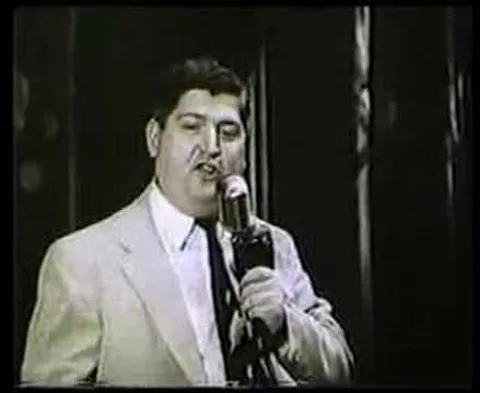 Jack G. Coe was born on March 11, 1918 in Oklahoma City, Oklahoma. His father, George, was a gambler and an alcoholic. His parents, although having been Christians, did not attend church. His grandparents, on his father's side were Christians but they were not able to influence their son's behavior. The couple had seven children in all. When Jack was five his father gambled away all their furniture and their house, leaving his mother Blanche destitute with seven children. They were devastated. His mother tried to make a new life by moving to Pennsylvania, but it was too hard. When Coe's father came to her house promising to change she agreed to reunite. The change did not last, however, and George went back to gambling.
Blanche left George for good, but only took her daughter with her this time. The boys were left with their father, which meant they were essentially left on their own. Often they did not have food to eat. Blanche did return to claim them, but could not care for them on her own. When Jack was nine he and his twelve year old brother was turned over to an orphanage. His older brother ran away, but was hit by a car and died. Jack struggled with rejection and abandonment. At seventeen he left the orphanage and began to drink, becoming an alcoholic like his father. He drank so much he had ulcers and his heart became enlarged. The doctor told him that if he didn't quit drinking he was going to die. Not knowing where else to go he moved to California to be near his mother. When he thought he was near death he promised God he would turn his life around and he was healed for a while. The family moved to Texas and he was drinking again. This time he heard God's voice "This is your last chance". The following Sunday he went to a Nazarene church and accepted Christ. He was radically changed. He went to church meetings almost every night, prayed, and read the Word constantly. After a year and a half he went to a Pentecostal meeting and was filled with the Holy Spirit and had a vision of Jesus.
Jack felt called to the ministry and went to and Assembly of God school called Southwestern Bible Institute, led by P.C. Nelson. He left in 1941 to join the army after the bombing of Pearl Harbor. He was so committed to God's purposes that he went to church every night. His sergeant sent him for psychiatric evaluation This happened several times while he was in the army. One day he was reading a book by P.C. Nelson on Healing when he fell asleep. He had a dream where he saw his sister close to death in a hospital but he saw a bright light come into her room and she was healed. He left immediately to see her and everything was as he'd seen it in a dream. She was healed and he was changed forever.
In 1944 Coe became ill with malaria. He was sent home because the doctors felt they could not help him. He sought the Lord who told him "preach the gospel". God healed him. He went out to preach and three people were saved. That year he was ordained as an Assembly of God minister. His healing experiences caused him to seek God about the gifts of healing. In 1945 he felt God called him to have a healing meeting. He went to Texas and announced in a church that God was going to heal the sick, cause the blind to see, and the deaf to hear. Those were bold words indeed! A woman received her sight that night. His ministry was launched. He began traveling over the country.
In 1946 God spoke to Coe and his wife Juanita to sell their house and start an itinerant ministry. They purchased a beat up truck and a ministry tent and began to live on the road. In 1948 God spoke to Coe to go to Redding, California. A woman, whose leg was about to be amputated, was healed and the news spread throughout the city. God blessed the couple and for the first time had enough money to be ahead on their finances. Healings and miracles regularly occurred in his meetings.
There were some very controversial things about Jack Coe. He believed that he should have a larger tent than other evangelists and went and measured Oral Roberts tent, then he ordered one larger. His style was dramatic and he often hit, slapped, or jerked people. He also would pull people out of wheelchairs. His speaking style was aggressive as he challenged people to believe God. He suggested that people who stood against him would be "struck dead by God". He was anti-medicine and told people not to go to doctors. He also encouraged interracial meetings.
In 1950 Coe began publishing the Herald of Healing magazine. Within six years it was being sent to over 350,000 people. God began to speak to Coe about opening an orphanage. He collected money for the project at every meeting. He sold his own home and began to build the children's home. His own family moved into the partially finished building so they would have a place to live. Coe eventually bought 200 acres outside of Dallas and built four dormitories and established a home farm. They could support 200 abandoned children.
In 1952 Coe began a radio ministry, which eventually was carried on over 100 radio stations. He also began having trouble with the Assembly of God organization. Although initially responsive to suggestions, he felt their goal was to limit the ministry. He suggested that the Assembly of God leadership had lost the belief in the miraculous and felt that they should be replaced. Needless to say this aggravated the situation. In 1953 Coe was expelled from the Assembly of God church. They felt that he was independent, extreme, prone to exaggeration, and they weren't sure about his ministry style. Coe felt that it was an attack against his success. He told people that "one of the officials made the remark to me that he would not rest until every man that was preaching divine healing in a deliverance ministry, separated from the General Council of the Assembly of God."
In 1953 Coe started his own church in Dallas. It was called the Dallas Revival Center. God spoke to him that it was important for those not getting healed to receive teaching about healing from the Word. In 1954 Coe opened a faith home, where people could stay for extended periods of time to receive prayer for healing. Teaching and prayer were given daily. 1956 was a pivotal year. While Coe was preaching in Miami he was arrested for practicing medicine without a license. This brought national attention to him and the ministry, both positive and negative. He was acquitted of practicing medicine without a license when the trial went to court.
At the end of 1956 Coe became ill. He had pushed himself night and day for years. He had poor eating habits and was overweight. He thought it was exhaustion but it was bulbar polio, a form of polio that affects the nerves. He became paralyzed, developed pneumonia, and died December 16, 1956.
Jack G. Coe was born on March 11, 1918 in Oklahoma City, Oklahoma. His father, George, was a gambler and an alcoholic. His parents, although having been Christians, did not attend church. His grandparents, on his father's side were Christians but they were not able to influence their son's behavior. The couple had seven children in all. When Jack was five his father gambled away all their furniture and their house, leaving his mother Blanche destitute with seven children. They were devastated. His mother tried to make a new life by moving to Pennsylvania, but it was too hard. When Coe's father came to her house promising to change she agreed to reunite. The change did not last, however, and George went back to gambling.
Blanche left George for good, but only took her daughter with her this time. The boys were left with their father, which meant they were essentially left on their own. Often they did not have food to eat. Blanche did return to claim them, but could not care for them on her own. When Jack was nine he and his twelve year old brother was turned over to an orphanage. His older brother ran away, but was hit by a car and died. Jack struggled with rejection and abandonment. At seventeen he left the orphanage and began to drink, becoming an alcoholic like his father. He drank so much he had ulcers and his heart became enlarged. The doctor told him that if he didn't quit drinking he was going to die. Not knowing where else to go he moved to California to be near his mother. When he thought he was near death he promised God he would turn his life around and he was healed for a while. The family moved to Texas and he was drinking again. This time he heard God's voice "This is your last chance". The following Sunday he went to a Nazarene church and accepted Christ. He was radically changed. He went to church meetings almost every night, prayed, and read the Word constantly. After a year and a half he went to a Pentecostal meeting and was filled with the Holy Spirit and had a vision of Jesus.
Jack felt called to the ministry and went to and Assembly of God school called Southwestern Bible Institute, led by P.C. Nelson. He left in 1941 to join the army after the bombing of Pearl Harbor. He was so committed to God's purposes that he went to church every night. His sergeant sent him for psychiatric evaluation This happened several times while he was in the army. One day he was reading a book by P.C. Nelson on Healing when he fell asleep. He had a dream where he saw his sister close to death in a hospital but he saw a bright light come into her room and she was healed. He left immediately to see her and everything was as he'd seen it in a dream. She was healed and he was changed forever.
In 1944 Coe became ill with malaria. He was sent home because the doctors felt they could not help him. He sought the Lord who told him "preach the gospel". God healed him. He went out to preach and three people were saved. That year he was ordained as an Assembly of God minister. His healing experiences caused him to seek God about the gifts of healing. In 1945 he felt God called him to have a healing meeting. He went to Texas and announced in a church that God was going to heal the sick, cause the blind to see, and the deaf to hear. Those were bold words indeed! A woman received her sight that night. His ministry was launched. He began traveling over the country.
In 1946 God spoke to Coe and his wife Juanita to sell their house and start an itinerant ministry. They purchased a beat up truck and a ministry tent and began to live on the road. In 1948 God spoke to Coe to go to Redding, California. A woman, whose leg was about to be amputated, was healed and the news spread throughout the city. God blessed the couple and for the first time had enough money to be ahead on their finances. Healings and miracles regularly occurred in his meetings.
There were some very controversial things about Jack Coe. He believed that he should have a larger tent than other evangelists and went and measured Oral Roberts tent, then he ordered one larger. His style was dramatic and he often hit, slapped, or jerked people. He also would pull people out of wheelchairs. His speaking style was aggressive as he challenged people to believe God. He suggested that people who stood against him would be "struck dead by God". He was anti-medicine and told people not to go to doctors. He also encouraged interracial meetings.
In 1950 Coe began publishing the Herald of Healing magazine. Within six years it was being sent to over 350,000 people. God began to speak to Coe about opening an orphanage. He collected money for the project at every meeting. He sold his own home and began to build the children's home. His own family moved into the partially finished building so they would have a place to live. Coe eventually bought 200 acres outside of Dallas and built four dormitories and established a home farm. They could support 200 abandoned children.
In 1952 Coe began a radio ministry, which eventually was carried on over 100 radio stations. He also began having trouble with the Assembly of God organization. Although initially responsive to suggestions, he felt their goal was to limit the ministry. He suggested that the Assembly of God leadership had lost the belief in the miraculous and felt that they should be replaced. Needless to say this aggravated the situation. In 1953 Coe was expelled from the Assembly of God church. They felt that he was independent, extreme, prone to exaggeration, and they weren't sure about his ministry style. Coe felt that it was an attack against his success. He told people that "one of the officials made the remark to me that he would not rest until every man that was preaching divine healing in a deliverance ministry, separated from the General Council of the Assembly of God."
In 1953 Coe started his own church in Dallas. It was called the Dallas Revival Center. God spoke to him that it was important for those not getting healed to receive teaching about healing from the Word. In 1954 Coe opened a faith home, where people could stay for extended periods of time to receive prayer for healing. Teaching and prayer were given daily. 1956 was a pivotal year. While Coe was preaching in Miami he was arrested for practicing medicine without a license. This brought national attention to him and the ministry, both positive and negative. He was acquitted of practicing medicine without a license when the trial went to court.
At the end of 1956 Coe became ill. He had pushed himself night and day for years. He had poor eating habits and was overweight. He thought it was exhaustion but it was bulbar polio, a form of polio that affects the nerves. He became paralyzed, developed pneumonia, and died December 16, 1956.
God Can Meet Us in the Ashes
Strict practitioners would not have approved of my methods, but on one long ago mid-winter Wednesday, I smeared ashes on the foreheads of my two preschoolers and myself. An offering of the hardwood that had heated our home the day before, these ashes were not “ceremonially correct” in any way. At the time, I did not know that traditional Ash Wednesday ashes come from the remains of Palm Sunday palms. I did not even know about the forty days of Lent to follow. However, I did know about sin — my own and my children’s. We were in “time out” season with one of our sons. At our wits’ end, we had exhausted Dr. Dobson, Elisabeth Elliot, and every parenting resource available in the nineties. “Why is it so hard to be good?” our little Dobson-buster would ask. His younger brother’s eyes would fill with tears whenever they were caught in collaborative naughtiness. In this parenting pressure cooker, maternal apologies had become a daily occurrence. I was hoping to model repentance — while at the same time atoning for sharp words and a short fuse. “I was wrong; please forgive me” were the words through which my sons were learning that their mother had not outgrown the struggle against sin. Ash Wednesday gives Christians an opportunity to grow in our understanding of where to take that struggle. Reclaiming Lent for Christ Historically, our earliest Protestant ancestors revolted against the idea of Lenten practices, and with good reason. In the pre-Reformation mind, penitence, ashes, and self-denial had become ends in themselves. Gradually, however, a biblical understanding of lament has re-entered Christian orthodoxy, anchored in an embrace of our fallen-ness. Ashes on the forehead rightly represent our need to “repent in dust and ashes” (Job 42:5–6), and our identity as “a people of unclean lips [who] dwell in the midst of a people of unclean lips” (Isaiah 6:5). Jesus pronounced a blessing upon those who recognize their poverty of spirit and mourn the effects of sin on their life and in the world (Matthew 5:3–4). Grounded in gospel truth that prompts genuine penitence without crippling guilt and deep conviction without devastating shame, Ash Wednesday invites the believer to a renewed awe of our great salvation. While there is no merit in the wearing of ashes, a season of mourning leading up to Easter may actually enhance our celebration of Resurrection Sunday. A Wednesday to Teach In my challenging season of parenting, Ash Wednesday became a visual aid, a teaching tool to reassure my young sons that our sin does not signal the end of God’s love for us. In our home, hymns around the breakfast table always matched the season, and one year, we learned all four verses of a “cross hymn” in the weeks leading up to Easter. Rich hymns of the faith offer deep gospel truth that requires explanation (but not dilution) for little singers: When I survey the wondrous cross On which the Prince of Glory died, All the vain things that charm me most I sacrifice them to His blood. The vain-ness of the “vain things” Isaac Watts wrote about becomes abundantly clear when we remember that nothing lasts forever. “Remember that you are dust” is the lyric of Ash Wednesday. God made us from dust, and our bodies do not live forever. This is a dying world we inhabit: everything from goldfish to grandfathers eventually stops living. And we mourn the loss. Without becoming morbid or frightening, we can prepare our children for the inevitability of death by putting it in the context of the gospel. Thomas á Kempis prescribed a regular pondering of and preparation for death as a route to happiness. Author Gary Thomas suggests that we present-day believers ought to join á Kempis in allowing the reality of death to act “like a filter, helping us to hold on to the essential and let go of the trivial.” For believers, the “essential” is the eternal, and the eternal comes to us through the cross. The paradox of death leading to rebirth only appears to be a contradiction. All of Christ’s gifts are given to us through death — his death. And it will only be through a different death — our death — that we will finally receive the fullness of life that Jesus died to impart. A Wednesday to Remember My sons and I stood before a mirror together, the three of us with our smudged foreheads. We talked about our struggle to obey God and our sadness over sin — the sin that causes mayhem in our home, hurt feelings between brothers, and, worst of all, separation from a God who loves us. When a little boy is struggling with disobedience, even as a preschooler, he already feels the grit and grind of life on a fallen planet. He may not be able to comprehend sin’s cosmic scale: “For the creation was subjected to futility, not willingly, but because of him who subjected it, in hope. . .” (Romans 8:20). But he is already well-acquainted with the collective groaning, and can love the truth about the hope of our future deliverance from the struggle: “. . . that the creation itself will be set free from its bondage to corruption and obtain the freedom of the glory of the children of God” (Romans 8:21). Reading selected, age-appropriate portions of the crucifixion story from Luke 22 and thinking about Jesus’s willingness to endure the weight of all the sins of the entire world on his body provides a focus for the wearing of our ashes as a symbol of our grief — mourning that we have sinned and caused division from God and sadness over the suffering Jesus endured when he died in our place. A Wednesday to Rejoice If good behavior is all I have to bring to Jesus, he cannot help me. The warm welcome of the gospel on a frigid day in early spring takes into account a little boy’s hopelessness in the face of temptation. Our sin does not signal the end of our relationship with God. It’s a beginning, for it turns out that weakness is a powerful claim upon divine mercy. Learning to hate sin at a young age, to war against it, and to receive God’s forgiveness is a celebratory milestone. There is a reason to rejoice because of Christ’s obedience to all that God commanded. Then, his love in paying the penalty for our failure to obey gives us a reason for hope, even against the backdrop of my own parenting fiascos and my sons’ serial naughtiness. God knows well the stuff we are made of. “He remembers that we are dust” (Psalm 103:14). As a loving heavenly Father, he longs to supply every need for righteous living — in fact it is only his righteousness that will suffice. This orientation provides a solid foundation for a lifelong relationship built on the assurance that God’s purposes will not be thwarted by my sin. He delights to meet me and my children in the ashes. Article by Michele Morin