



-%20Karen%20Kingsbury-160.webp)

About the Book
"ABCs of Parenting" by Gouri Dange is a practical guide for new parents, offering a comprehensive overview of the important aspects of raising a child. The book covers topics such as discipline, communication, setting boundaries, and fostering a strong parent-child relationship. With its straightforward advice and relatable anecdotes, "ABCs of Parenting" aims to help parents navigate the challenges of parenthood with confidence and compassion.
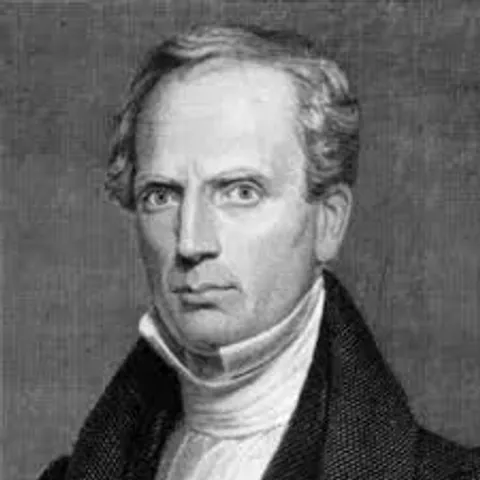
Charles Finney
 Childhood and Teen years
Charles Grandison Finney was born the year after Wesley died on 29th August, 1792 in Warren, Connecticut. In 1794 his family moved to New York state, eventually settling at Henderson, near Lake Ontario. Although he received only a brief formal education he decided to study law and joined the practice of a local lawyer, Benjamin Wright. He was also very musical, played the cello and directed the choir at the local Presbyterian Church pastured by Rev. George Gale.
His conversion
His conversion on October 10th 1821 reads like something out of the book of Acts. Smitten with conviction from Bible reading he decided to ‘settle the question of my soul’s salvation at once, that if it were possible, I would make my peace with God.’ (Autobiography)
This conviction increased to an unbearable level over the next couple of days and came to an head when he was suddenly confronted with an ‘inward voice.’ He was inwardly questioned about his spiritual condition and finally received revelation about the finished work of Christ and his own need to give up his sins and submit to Christ’s righteousness.
As he sought God in a nearby wood he was overwhelmed with an acute sense of his own wickedness and pride but finally submitted his life to Christ. Back at work that afternoon he was filled with a profound sense of tenderness, sweetness and peace. When work was over and he bade his employer goodnight, he then experienced a mighty baptism in the Holy Spirit, which was recorded as vividly as the day he experienced it, though it was penned some fifty years later.
The next morning Finney announced to a customer that he was leaving his law studies to become a preacher of the Gospel.
Charles Finney licensed to preach
He was licensed to preach in 1823 and ordained as an evangelist in 1824. His penetrating preaching was quite different from many local ministers and included an obvious attempt to break away from the traditional and, as he saw it, dead, orthodox Calvinism. He married to Lydia Andrews in October 1824 and was also joined by Daniel Nash (1774-1831), known popularly as ‘Father Nash.’ Undoubtedly Nash’s special ministry of prayer played a great part in Finney’s growing success as an evangelist.
Things really took off when he preached in his old church, where Rev. Gale still ministered. Numerous converts and critics followed! Similar results were experienced in nearby towns of Rome and Utica. Soon newspapers were reporting his campaigns and he began drawing large crowds with dramatic responses.
Soon he was preaching in the largest cities of the north with phenomenal results. Campaign after campaign secured thousands of converts.
The high point of Finney’s revival career was reached at Rochester, New York, during his 1830-1 meetings. Shopkeepers closed their businesses and the whole city seemed to centre on the revivalist. Responding to his irresistible logic and passionate arguments many of his converts were lawyers, merchants and those from a higher income and professional status.
His Preaching
Finney openly preached a modified Calvinism, influenced with his own theology of conversion and used what were perceived to be ‘revivalistic techniques.’
These ‘means’ included the use of the anxious bench (a special place for those under conviction), protracted meetings, women allowed to pray in mixed meetings, publicly naming those present resisting God in meetings and the hurried admission of new converts into church membership. Opponents viewed his preaching of the law as ‘scare tactics’ and his persuasive appeals for sinners to come to Christ for salvation were seen as over-emphasising the responsibility of men and ignoring the sovereignty of God.
His theology and practise soon became known as the ‘New Measures’ and attracted many opponents from the Old School Presbyterians led by Asahel Nettleton (himself no stranger to true revival and , the revivalistic Congregationalists headed by Lyman Beecher.
Pastor at Chatham Street Chapel
Finney accepted an appointment as pastor of Chatham Street Chapel in New York City in 1832 where he remained until 1837. It was during this time that he delivered a series of sermons published in 1835 as ‘Lectures on Revivals of Religion.’ Here he clearly stated his views regarding revivals being products of the correct use of human means. Such was the controversy that he left the Presbyterian denomination and joined the Congregationalists in 1836.
Oberlin College
The next year he became professor of theology at Oberlin College (Ohio) where he taught until his death. He was President here from 1851 until 1866, but still continued regular revival meetings in urban settings (twice in England, 1848, 1851) until 1860. During his stay at Oberlin he produced his, Lectures to Professing Christians (1836), Sermons on Important Subjects (1839) and his famous Memoirs.
The Father of Modern Revivalism
There is no doubt that Charles Grandison Finney well-deserves the title ‘The Father of Modern Revivalism.’ He was an evangelistic pioneer whose model was followed by a long line of revivalists from D. L. Moody to Billy Graham. His writing have made a massive impact on the entire evangelical world and particularly the ‘Lectures on Revivals’ which has, arguably, ignited more fires of revival than any other single piece literature in evangelical history.
This ‘Prince of Revivalists’ passed away peacefully at Oberlin on Sunday, 16th August, 1875 aged almost 83 years.
Bibliography: I Will Pour Out My Spirit, R. E. Davies, 1997; Ed: A. Scott Moreau, Baker Evangelical Dictionary of World Missions, 2000; Dictionary of Evangelical Biography 1730-1860, Vol. 1, 1995.
Tony Cauchi
Childhood and Teen years
Charles Grandison Finney was born the year after Wesley died on 29th August, 1792 in Warren, Connecticut. In 1794 his family moved to New York state, eventually settling at Henderson, near Lake Ontario. Although he received only a brief formal education he decided to study law and joined the practice of a local lawyer, Benjamin Wright. He was also very musical, played the cello and directed the choir at the local Presbyterian Church pastured by Rev. George Gale.
His conversion
His conversion on October 10th 1821 reads like something out of the book of Acts. Smitten with conviction from Bible reading he decided to ‘settle the question of my soul’s salvation at once, that if it were possible, I would make my peace with God.’ (Autobiography)
This conviction increased to an unbearable level over the next couple of days and came to an head when he was suddenly confronted with an ‘inward voice.’ He was inwardly questioned about his spiritual condition and finally received revelation about the finished work of Christ and his own need to give up his sins and submit to Christ’s righteousness.
As he sought God in a nearby wood he was overwhelmed with an acute sense of his own wickedness and pride but finally submitted his life to Christ. Back at work that afternoon he was filled with a profound sense of tenderness, sweetness and peace. When work was over and he bade his employer goodnight, he then experienced a mighty baptism in the Holy Spirit, which was recorded as vividly as the day he experienced it, though it was penned some fifty years later.
The next morning Finney announced to a customer that he was leaving his law studies to become a preacher of the Gospel.
Charles Finney licensed to preach
He was licensed to preach in 1823 and ordained as an evangelist in 1824. His penetrating preaching was quite different from many local ministers and included an obvious attempt to break away from the traditional and, as he saw it, dead, orthodox Calvinism. He married to Lydia Andrews in October 1824 and was also joined by Daniel Nash (1774-1831), known popularly as ‘Father Nash.’ Undoubtedly Nash’s special ministry of prayer played a great part in Finney’s growing success as an evangelist.
Things really took off when he preached in his old church, where Rev. Gale still ministered. Numerous converts and critics followed! Similar results were experienced in nearby towns of Rome and Utica. Soon newspapers were reporting his campaigns and he began drawing large crowds with dramatic responses.
Soon he was preaching in the largest cities of the north with phenomenal results. Campaign after campaign secured thousands of converts.
The high point of Finney’s revival career was reached at Rochester, New York, during his 1830-1 meetings. Shopkeepers closed their businesses and the whole city seemed to centre on the revivalist. Responding to his irresistible logic and passionate arguments many of his converts were lawyers, merchants and those from a higher income and professional status.
His Preaching
Finney openly preached a modified Calvinism, influenced with his own theology of conversion and used what were perceived to be ‘revivalistic techniques.’
These ‘means’ included the use of the anxious bench (a special place for those under conviction), protracted meetings, women allowed to pray in mixed meetings, publicly naming those present resisting God in meetings and the hurried admission of new converts into church membership. Opponents viewed his preaching of the law as ‘scare tactics’ and his persuasive appeals for sinners to come to Christ for salvation were seen as over-emphasising the responsibility of men and ignoring the sovereignty of God.
His theology and practise soon became known as the ‘New Measures’ and attracted many opponents from the Old School Presbyterians led by Asahel Nettleton (himself no stranger to true revival and , the revivalistic Congregationalists headed by Lyman Beecher.
Pastor at Chatham Street Chapel
Finney accepted an appointment as pastor of Chatham Street Chapel in New York City in 1832 where he remained until 1837. It was during this time that he delivered a series of sermons published in 1835 as ‘Lectures on Revivals of Religion.’ Here he clearly stated his views regarding revivals being products of the correct use of human means. Such was the controversy that he left the Presbyterian denomination and joined the Congregationalists in 1836.
Oberlin College
The next year he became professor of theology at Oberlin College (Ohio) where he taught until his death. He was President here from 1851 until 1866, but still continued regular revival meetings in urban settings (twice in England, 1848, 1851) until 1860. During his stay at Oberlin he produced his, Lectures to Professing Christians (1836), Sermons on Important Subjects (1839) and his famous Memoirs.
The Father of Modern Revivalism
There is no doubt that Charles Grandison Finney well-deserves the title ‘The Father of Modern Revivalism.’ He was an evangelistic pioneer whose model was followed by a long line of revivalists from D. L. Moody to Billy Graham. His writing have made a massive impact on the entire evangelical world and particularly the ‘Lectures on Revivals’ which has, arguably, ignited more fires of revival than any other single piece literature in evangelical history.
This ‘Prince of Revivalists’ passed away peacefully at Oberlin on Sunday, 16th August, 1875 aged almost 83 years.
Bibliography: I Will Pour Out My Spirit, R. E. Davies, 1997; Ed: A. Scott Moreau, Baker Evangelical Dictionary of World Missions, 2000; Dictionary of Evangelical Biography 1730-1860, Vol. 1, 1995.
Tony Cauchi
‘obedience will make you miserable’ - the tired lie satan loves to tell
There are at least two ways to please the devil when it comes to the pursuit of holiness. The first way, of course, is to run from holiness altogether — to flee, with the prodigal, to the far country of this world, away from the Father’s home (Luke 15:11–13). The second way, perhaps even more dangerous than the first, is to pursue holiness (or what we imagine holiness to be), and yet not be happy about it. We may call this second way older-brother Christianity. Like the elder son in Jesus’s parable, such people follow the Father’s rules with a sigh (Luke 15:29). Their holiness is all pursed lips and sober glances. “Such is the cost of righteousness,” they remind themselves. “We must relinquish pleasure on the path to heaven, you know. Holiness, not happiness, is the true good.” “What virtue!” some may exclaim. “What uprightness! What self-denial!” What a sham. Older brothers, for all their outward purity, are still in the grip of the serpent’s ancient lie. They have been deceived, along with our first parents, to live in a world of the devil’s own making: a world where our Father wears a frown, where heaven has no laughter, and where holiness is ultimately a sacrifice. As long as we live in such a world, we will miss the feast that our Father has prepared (Luke 15:22–28). If we want to rid ourselves of older-brother instincts, and pursue holiness in a way that shames the devil, we would do well to return to the garden and listen again to that first lie. Song of the Morning Stars When the serpent approached Adam and Eve in the garden, he knew that only a lie could put the forbidden fruit into their hands. Only a lie could somehow convince them that they were the slaves of a stingy God. Only a lie could do the trick because reality, as always, was not on Satan’s side. For when God first breathed the oceans into being, and lit the stars like candles, and filled mountain fields with wildflowers, no sigh could be heard in all heaven and earth. Rather, all creation joined to praise their glorious Maker. From heaven’s lofty balconies, the morning stars raised their song, the sons of God shouted for joy, and Wisdom delighted in God’s handiwork (Job 38:7; Proverbs 8:30–31). From “Let there be light” onward, the heavens have declared his glory (Psalm 19:1). And how shall we hear their declaration? As an apathetic exhale? As a monotonous lecture? As a distracted recitation? No, as the very pitch of delight: “You make the going out of the morning and the evening to shout for joy” (Psalm 65:8). Adam and Eve, upon hearing the melody of creation, could not help but join the song. As they gazed across God’s handiwork, they trusted the goodness of their Father. They admired the beauty of their Creator. They enjoyed the fellowship of their Friend. They obeyed the counsel of their King. They had no higher happiness. Life in the Serpent’s World No, the devil knew Adam and Eve would never eat the fruit as long as they worshiped the glorious God in his marvelous world. So what did he do? He invited the couple to imagine a different world and a different god. He shuttered their eyes to sunsets and tulips, blocked their ears to the chirping of the robins, and calloused their skin to spring breezes. In short, he shrunk creation to the size of an apple, and gave them eyes for Eden’s only “No.” In the world of the serpent, the morning stars sing a dirge, the hosts of heaven murmur, and creation only groans beneath the dictatorship of the Almighty Ruler. In such a world, Adam and Eve had only two options. They could, like the prodigal, disobey their God and run from their Father’s garden. Or they could, like the older brother, sacrifice their pleasure on the noble altar of obedience. “Either rebel and be happy — or obey and be miserable.” This was the serpent’s offer (Genesis 3:4–5). Adam and Eve took the fruit and fled into the far country. Many today do the same. Many others, however, refuse the fruit — but only on the serpent’s terms. Like older brothers, we aim to keep our Father’s rules. We do so, however, not because his rules are satisfying, but only because they’re right; not because holiness is glorious, but only because it’s obedient; not because fellowship with God is happifying (as Jonathan Edwards used to say), but just because he says so. Which brother we become matters little to the devil. As long as we live within his world — a world where the gifts are scarce and the God is stingy — he is happy whether we rebel or “obey.” As long as we cease to hear and sing creation’s song of praise, the serpent is pleased. Deeper Than Self-Denial If humanity’s first sin arose when we believed the serpent’s lie, then our repentance must go deeper than rule-keeping or self-denial. After all, some of this world’s most marvelous rule-keepers are still tenants in the serpent’s world. No, our repentance requires more: we must break free from his spell altogether, and return to the real God in the real world. We must bend our ears upward once again to hear the heavens sing, “Glory!” We must feel again that heaven and earth, though fallen now, still pulse with God’s pleasure (Psalm 104:31). We must wade again in this delicious stream called creation, remembering that God himself is the fountain (James 1:17). In other words, we must step past the ancient lie and believe once again that God created us to be happy in him. As soon as we “taste and see that the Lord is good” (Psalm 34:8), and that he himself is our “exceeding joy” (Psalm 43:4), everything about our pursuit of holiness will change. We will still deny ourselves, practice obedience, and kill our sin, to be sure. But we will not dare for a moment to think that we are exchanging happiness for holiness. We will trade away our sin because we have seen the treasure to be found (Matthew 13:44). We will forsake the lusts of our flesh because, as Jesus promised, “whoever loses his life for my sake will find it” (Matthew 16:25). And even when we must sacrifice something precious to follow Christ, we trust that we will “receive a hundredfold now in this time . . . and in the age to come, eternal life” (Mark 10:30). The Holy Spirit teaches us not only to obey God, but to enjoy him — indeed, to obey him by enjoying him. He teaches us not only to withstand the devil’s temptations, but as Martin Luther put it, to laugh our adversary to scorn. He teaches us not only to wonder at the mercy of Christ, but to breathe a grand sigh of relief, amazed that joy has been so near at hand all this time. Discipline does not defeat the devil — happiness does. Join the Father’s Feast From where we stand now, of course, we can look to more than creation to see the happiness of God, and to nurture our happiness in him. We now have seen wonders that the morning stars could never have imagined. We have seen a God so happy that he could bear up under a world of sorrows without breaking (Isaiah 53:3). A God who recognized the joy set before him so luminously that he could endure the darkest shame (Hebrews 12:2). A God who runs to meet his prodigal children, too delighted to be dignified (Luke 15:20). A God who even now holds out his own joy to every older brother who will come in from the cold and join the celebration (Luke 15:31–32). Come now, older brother, put up your ear to the door. Can you hear the saints’ laughter? Can you hear the angels’ praise? Can you hear the Father singing over his children who’ve returned? Whatever we must forsake to walk inside this door, there is always more ahead of us than what we leave behind. So go ahead: Turn again to that serpent in the darkness, and laugh his bruised head to scorn. And then open up the door, and join your Father’s feast.